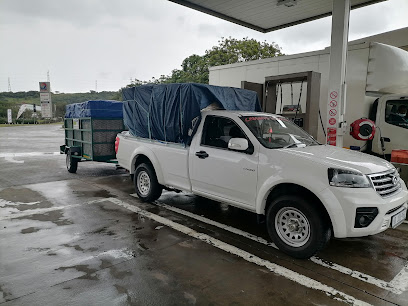
Creshivz logistics is a Transportation service establishment in Durban, KwaZulu-Natal, South Africa
Durban
KwaZulu-Natal
4091
South Africa
Sorry, no records were found. Please adjust your search criteria and try again.
Sorry, unable to load the Maps API.
Overview of Transportation Service Providers in Durban, KwaZulu-Natal
Durban, a major city on the east coast of South Africa, is supported by a diverse range of transportation service offerings designed to meet both daily commuting needs and commercial logistics. The sector typically combines passenger transport, courier and express delivery, airport and intercity transfers, and specialised services for business and tourism. Customers can expect options that prioritise reliability, safety and reasonable accessibility within the KwaZulu-Natal region.
Passenger transport in Durban commonly covers local taxi and shuttle services, ride-hailing alternatives, and scheduled transfers to key hubs such as the King Shaka International Airport and nearby towns. For travellers and workers alike, these services focus on timely pickups, clear pricing, and options to accommodate different group sizes, luggage requirements, and accessibility needs. In busy urban corridors, congestion and peak-period demand influence punctuality, with many operators providing estimated arrival times and guidance on best travel windows to reduce delays.
Alongside passenger travel, a robust courier and logistics ecosystem supports business operations and individual needs. Express parcel services, document delivery, and freight consolidation are typical offerings, often prioritising secure handover, trackable consignments, and efficient routing. Businesses frequently rely on courier networks to move samples, commercial documents and merchandise within Durban and to broader regional destinations, with attention to reasonable transit times and damage prevention through proper packaging and handling.
Practical considerations for customers include vehicle accessibility, driver qualifications, insurance arrangements, and adherence to local traffic regulations. In South Africa, it is common for operators to provide a range of vehicle types—from compact cars to larger vans or minibuses—to suit different occasions. Pricing structures may vary by distance, time of day and service level, with some operators offering fixed-rate options for certain routes and flexible quotes for bespoke journeys. It is prudent to confirm the expected cost and any additional charges in advance.
Operational norms in Durban often revolve around a combination of on-demand services and pre-arranged bookings. Customers can expect clear booking processes, whether through direct contact with operators, brokered platforms, or travel agencies. The workflow typically involves arranging a pickup location, scheduling a suitable time, and receiving confirmation along with contact details for the driver or courier. On the day of travel or delivery, customers should verify the vehicle and driver identity prior to commencement and ensure that all safety features, such as seat belts and child restraints where applicable, are in use.
- Common service types include local passenger transport, airport and intercity transfers, courier and parcel delivery, and light freight within the Durban metropolitan area.
- Standard expectations cover reliability, transparent pricing, vehicle suitability, and clear communication from the operator.
- Practical advice emphasises planning for peak periods, confirming pickup details, and understanding any insurance or liability considerations for both passengers and goods.
For visitors and residents alike, Durban’s transportation services are shaped by the city’s topography, weather patterns, and traffic demands. While specific platforms or providers may vary, the underlying model remains centred on safe, efficient movement of people and goods, with attention to regional routes, port access and the commercial significance of the KwaZulu-Natal coastline. This combination of services supports daily commuting, business logistics, and the broader tourism sector that helps sustain Durban’s role as a regional hub.