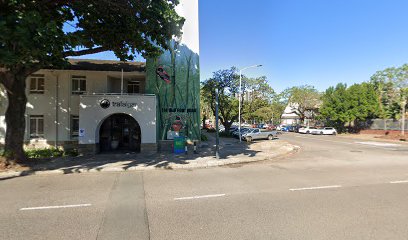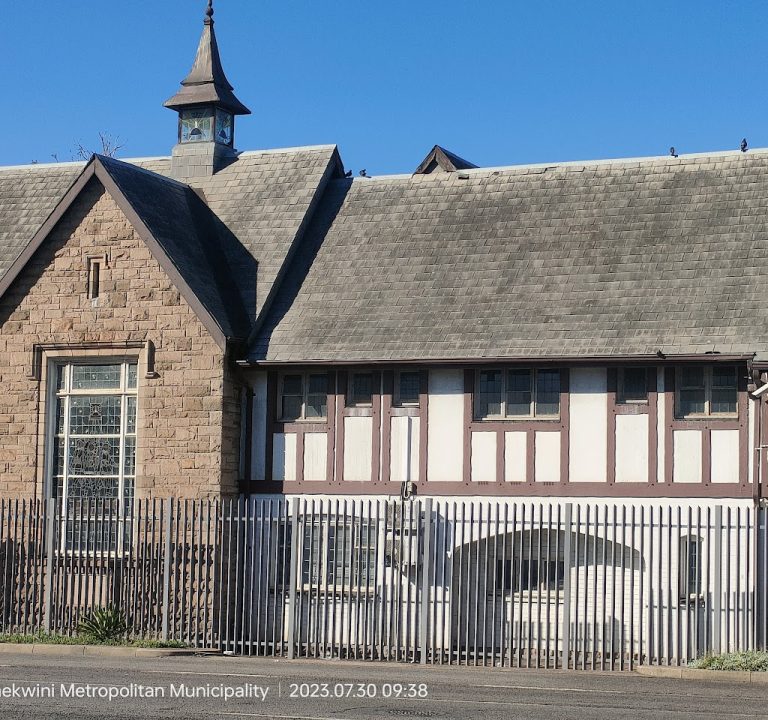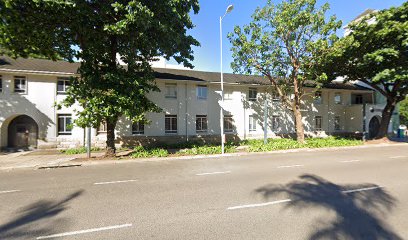
Dandelion Funerals is a Funeral home establishment in Durban, KwaZulu-Natal, South Africa
Durban
KwaZulu-Natal
Durban Central
South Africa
Sorry, no records were found. Please adjust your search criteria and try again.
Sorry, unable to load the Maps API.
Funeral home services in Durban, KwaZulu-Natal
In Durban, KwaZulu-Natal, funeral home services are structured to support families through a difficult time with sensitivity and reliability. Local funeral homes commonly operate as full-service chapels of care, offering guidance from the moment of loss through to the completion of memorial arrangements. Durban’s diverse communities influence service styles, encompassing Christian, Hindu, Muslim,Zulu and secular practices, with flexibility to accommodate cultural rites, personal preferences and legal requirements.
Core arrangements typically begin with practical support and guidance. A funeral director assists with the initial notification of authorities, preparation of documentation, and coordination with the chosen venue, whether that is a church, a chapel, or another gathering space. In South Africa, death registration and the application for necessary permits (such as a burial permit or a cremation permit) are essential steps, and many Durban undertakings ensure these are obtained promptly to prevent delays. This practical framework helps families focus on farewell rituals while ensuring compliance with municipal regulations and health standards.
Preparation and viewing are commonly offered as part of the service package. Funeral homes in Durban may provide embalming or alternative preparation methods, depending on the family’s wishes, religious customs and time constraints. On-site preparation rooms or partner facilities enable dignified handling of the deceased, while viewing arrangements can be scheduled to suit religious rites, cultural practices, or private family time. The choice of caskets, coffins and urns reflects a broad spectrum of material, finish and price points to suit different budgets and preferences.
Transport logistics form another important aspect of service delivery. This includes conveyance of the deceased from the place of death to the chapel, mortuary, or cemetery, and subsequently to the burial or cremation site. In urban Durban, access to road networks, traffic considerations and the availability of specialised vehicles are taken into account to ensure timely and respectful movement of the deceased and mourners. Some families also require international or domestic repatriation of remains, which can involve coordination with travel and logistics partners and adherence to cross-border documentation.
Ceremonial options offered by Durban funeral homes are typically broad. Chapel or venue-based services can be designed to reflect personal beliefs, religious readings, music, and eulogies. After the service, disposition may be through burial in a cemetery or by cremation, with the option to arrange a commemorative service, family gathering, or wake. Memorialisation choices often include an urn presentation, a graveside committal, or a lasting tribute such as a memorial tree or donor programme, subject to local regulations and cemetery policies.
Practical considerations extend to costs, availability, and accessibility. Families are advised to obtain clear quotations for transport, preparation, facility charges, and any additional services such as repatriation, memorial stationery, or obituary notices. Durban’s climate can influence decisions about unopened caskets, cooling requirements, and timing of services, while cultural practices may dictate specific handling, washings, or religious readings. Parking, accessibility for elderly or disabled mourners, and the proximity of the service to the family home or community hub are practical factors commonly discussed during initial consultations.
Overall, funeral home services in Durban aim to provide a reassuring framework for end-of-life arrangements. They balance practical administration with respectful ceremonial planning, offering families space to honour their loved ones in a manner that reflects personal, cultural and spiritual preferences while navigating the necessities of local law and municipal procedures.
- Initial notification, documentation and permit coordination
- Transportation and logistical planning
- Preparation, embalming or alternative care and viewing
- Chapel or venue-based funeral services
- Burial or cremation disposition and follow-up memorialisation