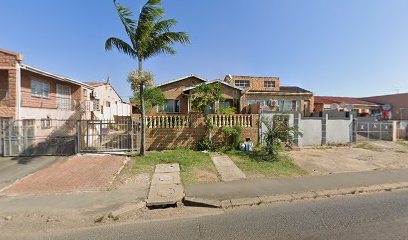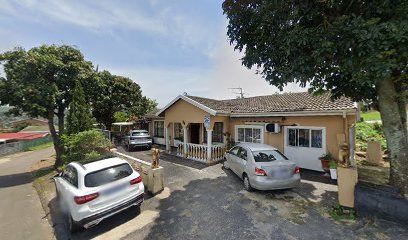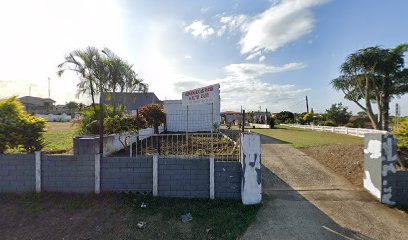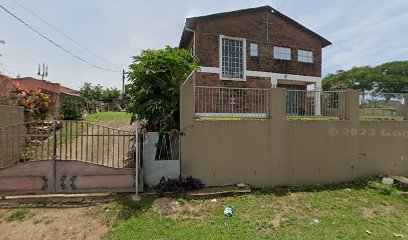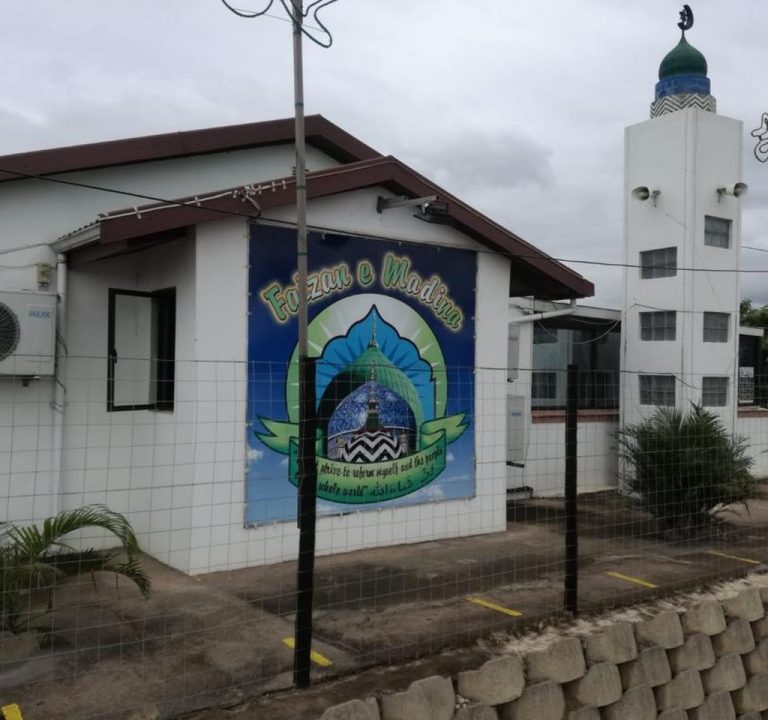
Dawat-e-Islami Faizane Madina Mosque is a Mosque establishment in Phoenix, KwaZulu-Natal, South Africa
Phoenix
KwaZulu-Natal
Sunford, Phoenix
South Africa


Sorry, no records were found. Please adjust your search criteria and try again.
Sorry, unable to load the Maps API.
Mosque Services in Phoenix, KwaZulu-Natal: A Practical Overview
In Phoenix, KwaZulu-Natal, mosques function as central places of worship, community gathering, and spiritual instruction within the local Muslim population. They commonly welcome worshippers for daily prayers, special Friday Jumu’ah sermons, and additional religious activities tailored to the needs of the neighbourhood. The environment is typically quiet and respectful, designed to accommodate both regular attenders and visitors who seek guidance or information about Islam.
A typical mosque in this area provides a range of services aimed at supporting spiritual practice and community welfare. Regular daily prayers form the core routine, with spaces arranged to accommodate worshippers in a orderly manner. Friday prayers often attract larger crowds, accompanied by sermons that address both theological matters and practical issues facing the community. In many mosques, Ilm or religious study circles are held during evenings or weekends, offering lectures on the Qur’an, Hadith, Shariah basics, and ethical living. Seasonal events such as Ramadan programmes, Taraweeh prayers, and Eid celebrations are usually coordinated through the mosque, sometimes in collaboration with local organisations.
Educational and outreach activities are commonly offered to people of all ages. Children’s classes may focus on basic Arabic literacy, recitation of the Qur’an, and foundational stories of Islam. For adults, courses might cover topics such as fiqh (Islamic jurisprudence), Seerah (the biography of the Prophet Muhammad), and modern-day applications of Islamic principles in daily life. Community seminars on topics like charity, social responsibility, and family life are often integrated into the mosque’s programme, reflecting the broader educational role of the institution.
Practical considerations for visitors or residents include practical worship requirements and etiquette. Prayer halls are typically designed to provide clear directions for prayer, with separate facilities or sections for men and women where appropriate, mirroring local norms and the mosque’s layout. Cleanliness and modest dress are emphasised, and mosque staff or volunteers commonly assist newcomers with basic procedures for performing ablutions (washing before prayer) and finding appropriate seating or space during busy periods. Signage or volunteers may offer guidance in multiple languages spoken in KwaZulu-Natal, helping to ensure that visitors understand prayer times, event schedules, and any rules specific to the facility.
Access and opening hours are generally aligned with daily prayers and community events. While some mosques may publish a timetable of prayer times and activities, it is typical for those seeking specific information to inquire locally or consult the notice boards onsite. People arriving for Friday prayers or Ramadan programmes are advised to arrive a little earlier to secure space, especially during peak periods. Community members often visit mosques not only for worship but also to connect with others, obtain guidance on personal or spiritual matters, and participate in charitable activities such as food drives or fundraising campaigns.
Financial arrangements at mosques in Phoenix are typically modest and community-based. Donations are commonly welcomed to support maintenance, utilities, and charitable projects. The focus remains on inclusive access to religious services and support for those in need, rather than on commercial considerations. For travellers or new residents, the experience is usually welcoming, with a willingness to explain practices, clarify timings, and assist with practical matters while staying within the boundaries of respectful conduct.
Overall, mosque services in Phoenix, KwaZulu-Natal, present a coherent blend of worship, education, and community support. They function as accessible, community-oriented spaces where spiritual life and practical guidance intersect, reflecting the local character and traditions of the area.