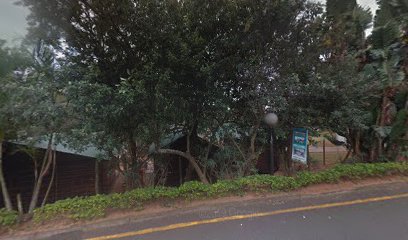
Dcc Educare Bluff is a Preschool establishment in Bluff, Kwa-Zulu Natal, South Africa
Bluff
Kwa-Zulu Natal
4052
South Africa
Sorry, no records were found. Please adjust your search criteria and try again.
Sorry, unable to load the Maps API.
Preschool Services in Bluff, KwaZulu-Natal
Preschool provision in Bluff, KwaZulu-Natal, encompasses a range of early years settings that cater to children in the years before formal schooling. These facilities typically emphasise a play-based approach to learning, recognising that young children learn best through exploration, hands-on activities and guided social interactions. In this coastal area, preschools may reflect a mix of community-minded programmes and independent centres, all with the aim of supporting growth across social, emotional, cognitive and physical development.
Common provisions include age-appropriate curricula that blend structured activities with free play. Daily routines often incorporate circle time, storytime, art and crafts, music, and gentle maths and literacy activities designed to foster early numeracy and language skills. Outdoor play is valued for physical development and gross motor skills, while quiet spaces support concentration and early literacy tasks. Health and hygiene practices are typically central, with routines that promote handwashing, meal times, and regular rest periods or quiet activities for younger children.
Most Bluff preschools offer a range of care options, from half-day sessions to full-day programmes, sometimes with aftercare services available. Meal plans and snacks are commonly part of the offering, with attention paid to age-appropriate nutrition and catering to dietary requirements where possible. The daily schedule is usually arranged to balance structured learning with imaginative play, rest, and social interaction, helping children adjust to small-group learning environments before embarking on formal schooling.
Safety and security are priorities for parents and practitioners. Premises often feature secure entrances, fenced outdoor areas, and attentive supervision ratios. The environment typically aims to be welcoming and child-friendly, with age-appropriate furniture, well-maintained play equipment, and hazard-conscious practices. Communication with families is a regular feature, with updates on a child’s progress, attendance, and any concerns discussed through notices, meetings, or informal conversations.
Language and cultural context influence many Bluff settings, where English and isiZulu are commonly used. Some programmes may incorporate elements of local culture, community stories, and early exposure to a bilingual or multilingual environment. Parents can expect a focus on social skills such as sharing, cooperation, listening, and turn-taking, alongside early literacy and numeracy foundations delivered through play and guided activities.
Practical considerations for prospective families include location and accessibility, parking and secure drop-off arrangements, and the suitability of the setting for a child’s temperament and needs. Proximity to work or home, as well as nearby amenities and safety during the commute, are often weighed in the choice of setting. Fee structures are typically fixed per term or per month, with potential additions for meals, nappies, or aftercare; however, exact pricing should be clarified directly with the chosen preschool. Availability of spaces can vary seasonally, and some centres may maintain waitlists during peak enrolment periods.
When exploring options, it is helpful to observe the environment, ask about daily routines, staff qualifications, and approaches to learning, and consider how well a preschool aligns with family values and the child’s individual needs. A successful Bluff preschool experience usually rests on a collaborative relationship among educators, parents, and the child, with regular communication about progress, routines, and any evolving requirements.
- Location and accessibility
- Daily schedule and learning approach
- Safety measures and supervision
- Cost, inclusions, and optional services
- Language use and cultural relevance