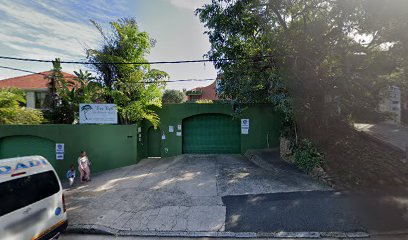
Department of Education Offices is a City government office establishment in Durban, KwaZulu-Natal, South Africa
Overview of Department of Education Offices in Durban, KwaZulu-Natal: Services and Visitor Experience
The Department of Education in KwaZulu-Natal operates as a city-focused arm of provincial government, providing governance and administration for public education across the province. Within the Durban area, the body presents itself as a leadership-driven institution, anchored by the political and administrative roles of the MEC for Education and the Head of Department (HoD). The site highlights the strategic leadership at the top, with MEC Sipho Emmanuel Hlomuka and HOD Nkosinathi Ngcobo identified as key figures. This framing signals a focus on accountability, policy direction, and operational oversight for education in KwaZulu-Natal.
In terms of structure and purpose, the department’s online presence appears to function as a central information hub. Visitors can locate information about the province’s education governance, with dedicated sections that suggest areas of public engagement, stakeholder collaboration, and ongoing communication about policy updates and programme implementation. The site commonly serves as a portal for official announcements, updates on initiatives, and news that affect schools, learners, and educators throughout KwaZulu-Natal, including the Durban metropolitan area.
As a city government office serving education, typical services implied by the site involve governance-related activities rather than direct school-based operations. This includes leadership briefings, strategic planning documents, and information about the department’s priorities and initiatives. While specific service offerings are not exhaustively detailed on the homepage, the presence of sections such as “Latest News & Announcements,” “Our Stakeholders,” and “Latest Events” indicates an emphasis on information dissemination, public accountability, and stakeholder engagement. The site also highlights leadership profiles, which underscore the department’s commitment to transparent management and structured governance for educational services across the province.
The Durban and KwaZulu-Natal context means the department addresses a broad spectrum of educational needs, from curriculum alignment and learner support to school administration and provincial policy. The visitor experience on the site tends toward formal, official content designed to keep stakeholders informed about governance decisions, programme rollouts, and forthcoming events. The inclusion of stakeholder-focused content suggests that engagement with schools, communities, parents, and partner organisations is an important component of the department’s public-facing activity.
From a user perspective, those seeking information about the Department of Education in KwaZulu-Natal can expect to encounter a straightforward, government-oriented online experience. The site’s emphasis on leadership profiles and announcements indicates that official communications are a primary channel for guidance and updates. For individuals searching for practical details, the organisation’s site functions as a reference point for understanding who leads the department, what priorities are in focus, and how the department communicates with the public about education in the region.
Typical job types and activities related to the department—at a high level—may include policy development, programme oversight, educational planning, and liaison with schools and district offices. These areas align with the broader remit of a provincial education department and reflect the kind of administrative and governance work that supports public education rather than direct classroom delivery. The Durban context situates these activities within an urban provincial framework, with attention to metropolitan schooling needs, infrastructure planning, and stakeholder coordination.
Practical tips for customers or visitors include consulting the department’s news and events sections to stay informed about upcoming programmes and opportunities for community input. Checking the stakeholders page can be useful for identifying partner organisations and interested groups involved in education across KwaZulu-Natal. If a matter requires formal communication, visitors should seek official channels listed on the site for policy updates or announcements, and monitor new releases for changes that affect schools, learners, and educators in Durban and beyond.
Key information to note includes the site’s focus on leadership and governance within KwaZulu-Natal’s education system, the emphasis on public announcements and stakeholder engagement, and the overarching aim of coordinating provincial education policy and programme implementation. While specific services, hours of operation, or in-person visit recommendations are not detailed in the provided content, the presence of clear leadership profiles and a structured information hub suggests a formal, policy-driven experience for those seeking information about Department of Education activities in Durban and the wider KwaZulu-Natal region.
Durban
KwaZulu-Natal
4001
South Africa
Sorry, no records were found. Please adjust your search criteria and try again.
Sorry, unable to load the Maps API.
City government office services in Durban, KwaZulu-Natal
Durban’s city government offices, situated within the eThekwini Metropolitan area, provide a broad range of public-facing services designed to support residents, businesses and visitors. The typical services centre on essential civil administration, regulatory approvals, and routine administrative tasks. These offices often operate under a framework of local by-laws and national regulations, with processes guided by standard public service practices intended to ensure fairness, accessibility and accountability.
Residents and business owners can expect assistance with fundamental civic needs such as obtaining licences, permits and registrations. Practical examples include business licences, health permits for food premises, and building plan approvals or inspections. Planning and development services commonly involve submissions for new projects, amendments to existing structures, and verification of compliance with zoning, safety and environmental requirements. Building-related services tend to be structured around scheduled site visits, plan review timelines, and formal communication of decisions or conditions.
In the realm of utilities and municipal services, city offices typically handle the registration and activation of accounts for water, electricity and waste services, along with meter readings, billing enquiries and fault reporting. Payment arrangements, such as arrears management or flexible instalment options, may be available through designated channels, with clear guidance on due dates and consequences of non-payment. Refuse collection, street lighting, road maintenance and traffic-related administration fall within the remit of municipal departments, and information on service interruptions or improvements is usually provided through official notices and public portals.
Administrative support for civic life includes vital records, such as birth or death registrations, and the processing of identity-related applications where local offices play a coordinating role with national agencies. Access to free or affordable services is a common priority, with some offices offering social assistance programme information, eligibility guidelines and referral mechanisms to social services partners.
Public engagement is an important aspect of Durban city governance. Councillors and municipal staff may provide opportunities for community input on budgets, development plans and policy proposals through public meetings, submissions, and consultative processes. Information on how to participate, submit comments, or track the status of a request is typically available via official websites, notice boards and customer service desks.
From a practical standpoint, visitors to Durban city offices should anticipate standard operating hours, appointment requirements for specialised services, and procedures for queuing or submitting documentation. To avoid delays, prepared applicants often bring multiple sets of copies, proof of residency or business registration, and any certificates or authorisations relevant to the request. It is common for offices to offer online or telephone query services for preliminary guidance, but in-person visits may be necessary for formal submissions, payments or document collection.
When dealing with the city, it is advisable to verify the most current processes, forms and channel choices before visiting. This includes checking for any service advisories, renovation works impacting access, or changes to submission requirements following regulatory updates. Clear communication channels, such as customer service desks or official contact details, help manage expectations regarding wait times and turnaround periods.
In summary, Durban’s city government offices provide a comprehensive matrix of administrative, regulatory and public service functions. Visitors can expect a mixture of in-person support, digital information, and structured processes designed to facilitate compliance, service delivery and community participation within the KwaZulu-Natal province.