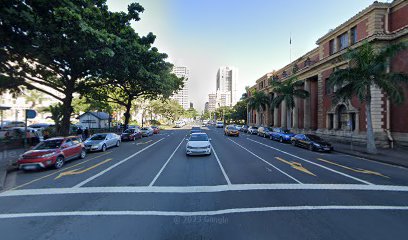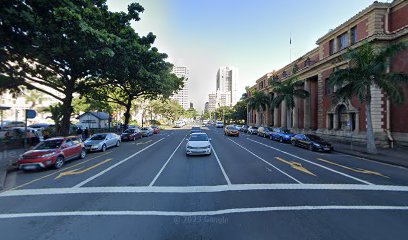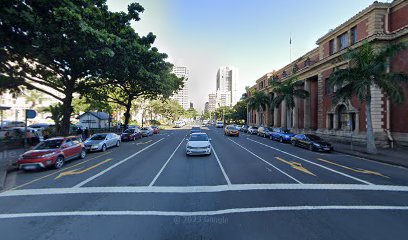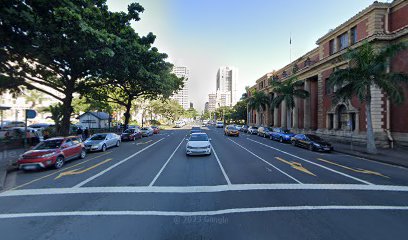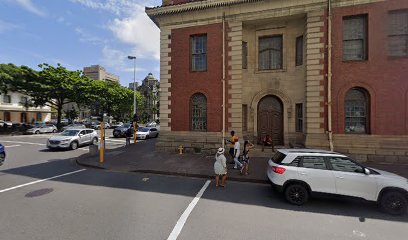
Department of Public Works – Durban Regional Office is a Public works department establishment in Durban, KwaZulu-Natal, South Africa
Department of Public Works – Durban Regional Office: Services, Experience and How It Works
The Durban regional arm of the Department of Public Works and Infrastructure is part of a national body focused on planning, delivering and overseeing major public sector infrastructure across KwaZulu-Natal. From facilities management and construction oversight to long-range asset planning, the Durban office contributes to projects that aim to revitalise state property, improve public service delivery and support regional economic activity. The department’s broader mission emphasises practical delivery, collaborative reform and accountability in the built environment.
Key services offered in the Durban region align with the department’s overarching responsibilities for public buildings, roads and other critical infrastructure. Typical areas of activity include management and refurbishment of state-owned properties, oversight of construction programmes, and coordination with other spheres of government to ensure that infrastructure projects are aligned with policy objectives and community needs. The Durban office operates within a framework that highlights the strategic planning and delivery focus essential for large-scale public works, including the monitoring of projects from planning through to handover and operation.
In terms of programme content, the department highlights significant catalytic initiatives designed to accelerate infrastructure delivery and public employment. Notable examples referenced in the national material include the Expanded Public Works Programme (EPWP) and targeted bridge programmes, which illustrate the organisation’s emphasis on workforce development, skills mobilisation and practical infrastructure outcomes. While specific Durban-area projects are not itemised in visitor-facing material, the regional office is positioned as a hub supporting both immediate project delivery and longer-term asset management within the province.
From a customer experience perspective, the department presents an approach that centres on clear policy direction, visible project milestones and structured administrative processes. The emphasis on integrated social facilitation and strategic planning suggests that clients and stakeholders may encounter formal engagement mechanisms, transparent project frameworks and a prioritisation of public value. The presence of public-facing resources such as strategic plans, consultants’ guidelines and governance documents signals an environment where users can access information on how projects are selected, funded and monitored.
For visitors and local stakeholders, the Durban office is part of a national ecosystem that communicates progress through press materials, speeches and publications. The public-facing ecosystem also includes mechanisms for accountability, such as anti-corruption and fraud awareness resources, suggesting an organisational culture that values ethical practice and openness in project delivery. While detailed customer-service procedures are not itemised on public pages, the combination of policy documents, project announcements and official communications provides a roadmap for understanding how requests and queries may progress through formal channels.
Typical job types and industries connected with the department’s remit include public sector construction, facilities maintenance, property management, urban and regional planning, and infrastructure rehabilitation. Projects commonly fall under government priorities related to housing, schools, healthcare, transport and municipal buildings, with delivery methods ranging from major capital projects to refurbishment and upgrade work. The Durban Regional Office thus functions as the regional touchpoint for stakeholders seeking to engage with state infrastructure programmes in KwaZulu-Natal.
Practical tips for potential clients and partners:
- Familiarise oneself with DPWI strategic plans and published guidelines to understand project scope, eligibility and governance requirements.
- Consult the department’s online resources for information on asset management, expropriation considerations and social facilitation frameworks that may affect project engagement.
- Keep abreast of public announcements and press releases to track major regional initiatives and opportunities for involvement in public works programmes.
- Prepare project briefs and asset inventories in advance when approaching the regional office to discuss refurbishment, maintenance or new build requirements.
- Look for standard documentation and consultation procedures published by the department to ensure compliant and efficient interactions.
Location and service area: The Durban Regional Office serves KwaZulu-Natal with a focus on public works and infrastructure delivery throughout the province, contributing to nationwide goals for infrastructure renewal, economic activity and public service improvement. The department frames its work around strategic plans and major catalytic projects designed to realise tangible infrastructure outcomes for communities across South Africa.
Practical notes: While specific hours of operation and on-site visiting times are not stated in public-facing content, prospective visitors and stakeholders are encouraged to consult the department’s official pages for updates on contact points, service channels and accessibility information related to Durban and the surrounding KwaZulu-Natal region.
Durban
KwaZulu-Natal
4001
South Africa
Sorry, no records were found. Please adjust your search criteria and try again.
Sorry, unable to load the Maps API.
Public Works Department Services in Durban, KwaZulu-Natal
In Durban, KwaZulu-Natal, the public works department operates as a key link between local needs and municipal infrastructure. The department is typically responsible for overseeing and maintaining essential public assets, ensuring safe and functional spaces for residents and businesses. The scope of services commonly includes planning, construction, maintenance, and the management of public facilities and infrastructure that support daily life in the city and surrounding areas.
One of the central roles involves the upkeep of transportation networks. Road surfacing, pothole repairs, drainage and stormwater management, street lighting, and signage fall under routine maintenance programmes. These activities aim to improve traffic flow, reduce flooding risks, and enhance safety for pedestrians, cyclists, and motorists. In addition, the department often coordinates initiatives for new roadworks or upgrades in collaboration with other municipal and provincial agencies, balancing capital projects with ongoing maintenance needs to extend the lifespan of public routes.
Public works also covers the development and upkeep of public facilities. This includes government buildings, town halls, libraries, clinics, schools, and other civic spaces. The department may be involved in准备 planning support, project oversight during construction, and subsequent asset management to track condition, value, and compliance. Maintenance plans for these facilities typically address structural integrity, accessibility, energy efficiency, and general usability for all community members.
Asset management represents a practical and ongoing responsibility. By maintaining accurate inventories of public assets—such as buildings, roads, bridges, and drainage systems—the department can prioritise investments, monitor depreciation, and plan long-term renewal programmes. Routine inspections and condition assessments help determine whether remediation or replacement is warranted and how resources should be allocated among competing needs.
Procurement, contracting, and compliance form another core area. Public works departments often oversee tenders and contract administration for construction projects, repairs, and related services. The emphasis is on achieving value for money, adherence to applicable regulations, and transparent processes. This may include management of supplier performance, safety and quality standards, and documentation suitable for audit and governance requirements.
Disaster management and resilience are also important considerations. Durban’s climate and geography mean responses to weather-related events—such as floods or heavy rainfall—need coordination with emergency services and other municipal bodies. Preparedness, rapid response, and post-event assessment are elements of the department’s remit, contributing to safer communities and quicker recovery after incidents.
Residents and businesses seeking information or services should expect clear guidance on how to engage with the department. Typical channels provide details on service requests, project updates, and the progression of approvals or intervention measures. The processes are generally designed to be accessible, with consideration given to language needs, reasonable accommodations, and straightforward documentation requirements for applications, permits, or reports related to public works matters.
Practical considerations include planning timelines, potential seasonal delays, and the need to align with broader municipal or provincial strategies. For anyone involved in construction or property development within Durban, awareness of zoning considerations, building standards, and public safety requirements is advisable. While specific programmes and platforms may vary over time, the overarching objective remains consistent: to maintain reliable public infrastructure, support civic facilities, and contribute to the well-being and economic vitality of the city and its communities.
In summary, the Durban public works department functions as a steward of essential public assets, balancing routine maintenance with capital projects, and coordinating across departments to sustain the urban environment for residents and visitors alike.