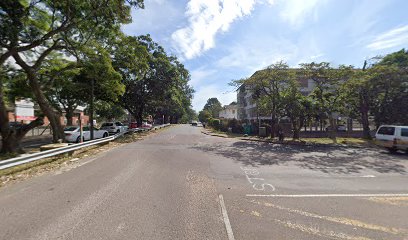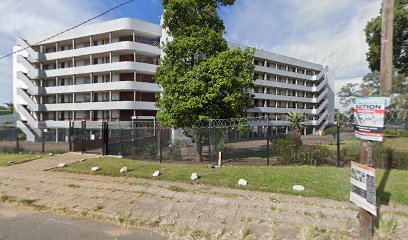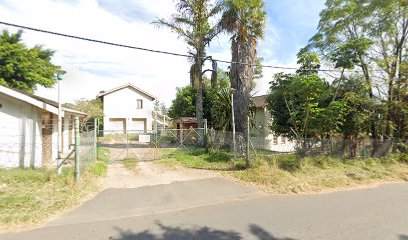
Department Of Social Development is a Department of Social Services establishment in Durban, KwaZulu-Natal, South Africa
Department of Social Development (KwaZulu-Natal) – Durban, SA: overview of services and customer experience
The Department of Social Development (DSD) in KwaZulu-Natal operates as a national government arm focused on social welfare, protection, and development within the province, including Durban and its surrounding communities. Although the department presents itself through official channels rather than as a commercial service, the publicly accessible content outlines a structured portfolio of services designed to support vulnerable groups, families, and communities across KwaZulu-Natal. The brand presents a consistent, government-facing experience centred on accessibility, accountability, and the coordination of social support systems.
Key offerings highlighted in the public portal include administrative and developmental functions that collectively aim to stabilise households and strengthen social protection. Central to the department’s remit are child and family welfare, protection against gender-based violence, services for the elderly and disabled, and the coordination of social service professionals. The department’s footprint in the province is reinforced through links to broader national initiatives, such as NPO registration and professional support for social service practitioners, indicating an integrated approach that connects local needs with nationwide frameworks.
Main services offered and how they are typically accessed:
- NPO Online Registration and related governance resources, enabling non-profit organisations operating in KwaZulu-Natal to obtain formal status and to participate in government-led social development programmes.
- Support for social service professions, including professional guidance and policy development that shapes practice standards within KwaZulu-Natal’s social welfare sector.
- Informational resources such as annual reports, tender documents, and organisational updates that provide transparency on programmes, funding, and performance across the province.
- Guidance and liaison on gender-based violence (GBV) support, with dedicated contact channels designed to connect the public with urgent assistance and information.
- Public-facing communications and news items that reflect ongoing public interest activities, partnerships, and recognitions related to social development work in KwaZulu-Natal.
Typical job types or professional areas associated with the department’s activities include roles in social work, welfare programmes, administrative support for grants and services, policy and programme management, and coordination of non-profit sector activity. While the public site does not list specific job advertisements for KwaZulu-Natal, the presence of internship adverts and professional support materials implies opportunities across administration, policy, community outreach, and frontline social services roles within the province.
How requests and inquiries usually work
- Requests for information or services are routed through official channels listed on the website, including the DSD’s general contact pages and dedicated GBV support contacts. The site provides toll-free numbers and direct contact details for public assistance.
- Independent information and documentation (such as annual reports, tender notices, and population-related materials) are published through the department’s document library, ensuring accessibility to researchers, practitioners, and members of the public.
- For non-profit organisations seeking registration or regulatory guidance, the portal directs users to NPO registration resources, supporting compliance and formal engagement with government programmes.
Practical tips for customers and service users
- Use the official channels listed on the DSD site for accurate information and to avoid misinformation. The GBV helpline and related contact options provide direct pathways for urgent support.
- Consult the NPO registration and professional support sections if intending to participate in or benefit from government social development initiatives as a non-profit or a professional practitioner.
- Review annual reports and latest news items to understand programme priorities, deadlines, and partnerships relevant to KwaZulu-Natal communities, including Durban.
- Check tender and document sections for transparency on procurement, funding opportunities, and programme updates that may affect local service delivery.
- Verify information through multiple official pages if investigating grants or social services, and be mindful of scam messaging related to social benefits; use the department’s official contact details for confirmation.
Location and area served
The Department’s content positions KwaZulu-Natal broadly as its operating region, with Durban as a key urban centre within the province. The public-facing materials indicate a focus on provincial social development outcomes while aligning with national policy directions and governance structures.
In summary, the KwaZulu-Natal Department of Social Development presents a cohesive, government-led framework for social welfare delivery, emphasising accessibility to registration, professional support, protective services, and transparent information for residents of Durban and surrounding areas. The customer experience is shaped by clear channels for information, formal processes for NPOs and professionals, and ongoing communications about programmes, partnerships, and governance.
Durban
KwaZulu-Natal
3610
South Africa
Sorry, no records were found. Please adjust your search criteria and try again.
Sorry, unable to load the Maps API.
Overview of Department of Social Services offerings in Durban, KwaZulu-Natal
In Durban, KwaZulu-Natal, the Department of Social Services (often referenced in local parlance as the social development department) provides a range of welfare and support services aimed at safeguarding vulnerable individuals and promoting community well-being. These services are typically delivered through regional offices, social workers, and partnering organisations within the city and surrounding areas. The focus is on protecting children, supporting families, assisting older persons and people with disabilities, and addressing social challenges such as poverty, abuse, and substance misuse.
Residents can expect a framework that combines regulatory support, social assistance, and community-based programmes. Services are generally structured to assist qualifying individuals and households through assessment, case planning, and ongoing follow-up. While the specifics may vary by location, Durban’s services share a common aim: to enable safer, healthier, and more resilient communities through coordinated care and access to resources.
Key areas of service commonly available include child protection and welfare, which covers safeguarding children from neglect or harm, family reunification where appropriate, and support for foster care and adoption processes. The department also plays a central role in coordinating services for families in distress, including crisis response, counselling, and referrals to partner organisations for additional support.
Support for older persons and people with disabilities is another foundational element. This includes programmes that assist with independent living, access to essential services, and social engagement opportunities designed to reduce isolation. Disability and elder care services are typically delivered through social workers who help navigate entitlements, community-based activities, and practical support such as transportation or housing assistance where available.
In the realm of socio-economic well-being, the department coordinates or facilitates access to social grants and subsidies dispersed through national systems. While the delivery of payments and related processes may be managed by central agencies, local offices in Durban often provide guidance, application assistance, and verification support to ensure that eligible residents understand the requirements and can complete necessary forms correctly.
Other important focal points include programmes addressing gender-based violence, substance misuse, and family violence. These services may encompass counselling, safety planning, and connections to shelters or rehabilitative services where appropriate, along with community awareness initiatives to promote safer neighbourhoods.
Practical considerations for engaging with Department of Social Services in Durban include locating the nearest regional office, understanding intake and appointment procedures, and bringing essential documentation to initial assessments. While specific processes may vary, stakeholders in Durban can generally expect a professional intake experience designed to determine eligibility, prioritise needs, and outline a plan of support. Language services, accessibility considerations, and outreach programmes may be available to accommodate diverse communities across KwaZulu-Natal.
For residents seeking information, guidance is typically provided by social workers and administrative staff who can clarify eligibility criteria, required documentation, and the steps involved in accessing programmes. It is advisable to contact the local office ahead of visits to confirm operating hours, submission requirements, and any seasonal or backlog considerations that might affect service delivery. Though individual outcomes cannot be guaranteed, the department’s aim remains to connect qualifying residents with appropriate assistance and to promote safer, more supportive living environments within Durban and the wider KwaZulu-Natal region.
- Child protection, foster care and adoption support
- Support for older persons and individuals with disabilities
- Social relief and counselling services
- Gender-based violence and substance misuse programmes
- Community development and family welfare initiatives