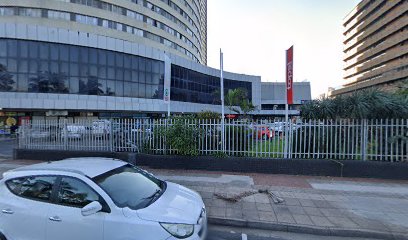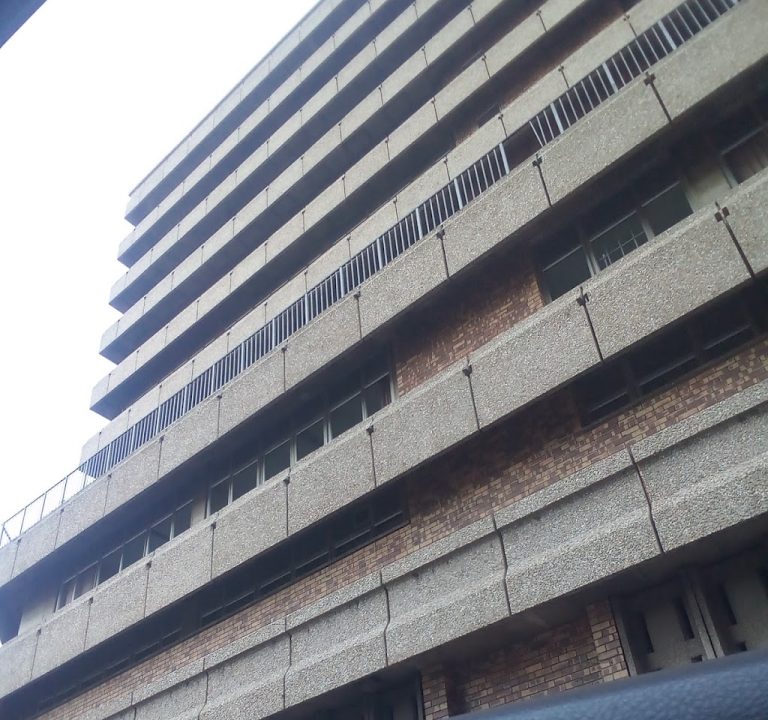
Dept of Education & Culture is a Department of education establishment in Durban, KwaZulu-Natal, South Africa
Overview of the KwaZulu-Natal Department of Education – Head Office, Pietermaritzburg and Related Local Offices
The KwaZulu-Natal Department of Education (KZN DoE) operates its central functions from the Head Office located in Pietermaritzburg, with multiple principal offices and contact points distributed across the province. The main hub, known as the Anton Lembede Building, sits at 247 Burger Street, Pietermaritzburg, and houses the Office of the MEC and the Office of the Head of Department (HoD). This central campus acts as the administrative focal point for policy development, strategic planning, and high‑level coordination of education services across KwaZulu-Natal.
Within the head office framework, several named buildings and contact points support provincial operations and stakeholder liaison. The Truro House site in Durban, for example, is listed for communications and related provincial dealings, while the Ex-Ned and ABSA Building entries in Pietermaritzburg indicate a network of offices handling specific administrative roles. The DavIs Alexander Building on Church Street in Pietermaritzburg is also identified as part of the physical footprint that supports regional administration and service delivery. These sites collectively enable provincial leadership to oversee curriculum policy, examinations, examinations and assessment, information technology, and performance management, aligning with the department’s mission to deliver quality education across KwaZulu-Natal.
Key contact points are provided to facilitate communication with the department’s leadership and support services. The Head Office maintains general and specialized lines, including a dedicated Communications Office, and a call centre to assist schools, teachers, and other stakeholders. Specific postal and email addresses are listed for several offices, highlighting the department’s commitment to accessible, centralised communication channels. While exact availability and hours are not detailed in the public pages, the presence of a central call centre and named staff contacts underlines a structured approach to enquiries, school support, policy clarification, and administrative requests.
The department’s public resources emphasise a broad spectrum of services designed to support learners, teachers, and district-level operations. Public-facing sections reference district teacher development centres and support for qualified educators, suggesting a provincial network that complements the head office’s strategic oversight. In addition, notes on policy documents, annual performance plans, and strategic programmes indicate ongoing activity around curriculum implementation, teacher capacity, and monitoring of educational outcomes. The inclusion of multiple e‑mail contacts and floor‑level staff details signals an emphasis on direct, professional engagement with stakeholders across KwaZulu-Natal.
Typical activities associated with the department’s operations include policy formulation, planning and budgeting for education, examination administration, and communications with schools and stakeholders. There are explicit references to offices handling provincial examinations and assessment, information technology, and performance management, implying a structured workflow for academic standards, reporting, and service delivery to districts. The district teacher development centres and educator support services are highlighted as essential components of the province’s educational ecosystem, aimed at improving classroom practice and professional development for teachers.
Practical tips for potential visitors or service users include identifying the appropriate office based on the query (for instance, head office for strategic matters and the communications office for stakeholder liaison). When seeking information or submitting requests, using the central contact channels can help route enquiries efficiently to the correct division. If visiting in person, bearing in mind the range of listed physical addresses across Pietermaritzburg and Durban may be helpful to determine the nearest relevant site for specific services, such as examinations, staff appointments, or district support matters. Confirming the precise office and contact person before a visit or submission is advised, given the provincial network of buildings and departments.
Geographically, the department primarily serves KwaZulu-Natal, with offices located in Pietermaritzburg and Durban to support both urban and regional education operations. The head office and its satellite buildings are positioned to coordinate provincial strategies, manage governance processes, and enable responsive service delivery to schools, districts, and educational stakeholders across the province.
Durban
KwaZulu-Natal
Durban Central, Durban
South Africa


Sorry, no records were found. Please adjust your search criteria and try again.
Sorry, unable to load the Maps API.
Overview of Department of Education Services in Durban, KwaZulu-Natal
In Durban, KwaZulu-Natal, the Department of Education provides a broad spectrum of public education services designed to support learners, teachers and schools across the region. The emphasis is on ensuring access to quality basic education, safeguarding learner welfare, promoting inclusive practices, and supporting schools in delivering curriculum requirements. The services are typically organised to guide parents, guardians and communities through the education system while maintaining standardised procedures across municipal and provincial boundaries.
One of the primary responsibilities concerns school provisioning and governance. The department oversees the establishment, maintenance and inspection of public schools, ensuring they meet safety, infrastructure and educational standards. This includes the assessment of school facilities, the allocation of resources for maintenance, and the monitoring of compliance with national and provincial policies. In Durban, where urban and peri-urban communities intersect, this governance framework supports diverse learner populations and varying levels of facility readiness.
Curriculum delivery and assessment are central to the department’s remit. Schools under its supervision implement the national curriculum framework, with emphasis on core subjects such as languages, mathematics, science and social studies. The department supports assessment programmes, including formative and summative evaluations, which help track learner progress and inform instruction. While the specifics of assessment timing and reporting may differ between schools, families can generally expect standardised reporting timelines and annual results management, along with guidance to support learners who require additional help.
Learner support services form another essential facet of Durban’s educational landscape. Specialised teams address learners with additional needs, offering interventions such as inclusive education plans, counselling services, and learner transport arrangements where applicable. The aim is to reduce barriers to learning and to foster accessible learning environments across primary and secondary schools. Welfare provisions, safeguarding protocols, and partnerships with health and social services are common features that help schools support the holistic development of pupils.
Administration and governance extend to teacher development and deployment. The department coordinates in-service training, professional development opportunities, and performance monitoring to maintain teaching standards. School management teams receive guidance on governance matters, administrative procedures, and compliance with statutory requirements. This coordination supports a coherent framework for school leadership, assessment cycles, and curriculum delivery, contributing to stability and continuity within Durban’s educational system.
Practical considerations for stakeholders include establishing clear lines of communication with district offices and school administration. Parents and guardians often engage through school portals, district communications, or local education offices to understand enrolment procedures, fee relief where available, and policy changes. It is common for Durban schools to provide information on enrolment windows, compulsory schooling age, and the process for late admissions or transfers. The department also sets rules around school hours, holiday calendars, and dress codes, though the exact implementation can vary by school while remaining aligned with provincial policy.
Discretionary support measures, such as bursaries, learner grants or donor-funded programmes, may be announced or administered through the department or partner organisations. Details about these initiatives are typically publicised through official channels and school newsletters, with applications submitted within specified timeframes. While specific offerings can change from year to year, the overarching aim remains to optimise educational access and outcomes for learners across Durban and the wider KwaZulu-Natal province.
In summary, Department of Education services in Durban encompass school governance, curriculum delivery, learner support, teacher development and administrative coordination. For families and communities, the system offers pathways to enrolment, guidance on educational rights and responsibilities, and access to services designed to promote academic achievement and learner wellbeing, all within a framework that seeks to be fair, transparent and responsive to local needs.