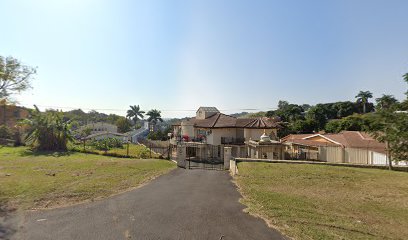
Desai Street Jamaat Khana is a Mosque establishment in oThongathi, KwaZulu-Natal, South Africa
oThongathi
KwaZulu-Natal
4399
South Africa
Sorry, no records were found. Please adjust your search criteria and try again.
Sorry, unable to load the Maps API.
Mosque services in oThongathi, KwaZulu-Natal: a practical overview
Mosques in oThongathi, KwaZulu-Natal, function as community hubs that blend spiritual duties with social support. These centres typically offer regular prayer times aligned with the five daily prayers, with Friday congregational prayers (Jumu’ah) attracting larger groups. In addition to worship, mosques commonly host educational sessions, Quran recitation classes, and programmes designed for families and youth. The atmosphere is generally welcoming to local residents and visitors seeking a quiet, respectful place for reflection and devotion.
In daily practice, mosques provide both individual and collective worship opportunities. Worshippers arrive for prayer, remove footwear, and perform ablutions before entering the prayer hall. The layout usually centres on a spacious prayer area with a clear direction (the Qibla). Sermons on Fridays or during special occasions are delivered by qualified leaders who guide attendees in spiritual matters, moral conduct, and community issues. After religious services, it is common for attendees to engage in community greetings, brief discussions, or informal study circles that reinforce learning and fellowship.
Kinds of services commonly found in mosques across oThongathi include the following:
- Daily prayers (Salah) with designated times, and special prayers during Ramadan, Eid, and other religious events.
- Educational programmes such as Quran memorisation (Hifz) classes, Arabic language instruction, and introductory courses on Islamic beliefs, practices, and ethics.
- Community-oriented activities, including welfare drives, charity collections, and assistance for families in need.
- Youth and family programming, which may feature lectures, interactive sessions, and activities designed to engage younger members while emphasising values and discipline.
- Guidance and counselling sessions on social or personal matters, offered in a respectful, confidential setting where appropriate.
Visitors planning to attend services can expect a respectful environment where modest attire is generally advised, and footwear is removed before entering the prayer space. Accessibility varies by venue, so it is sensible to arrive a little early—especially for Friday prayers or during Ramadan—to avoid congestion. Some mosques may have separate spaces for women and men or designated seating arrangements, while others offer family-friendly facilities. In all cases, clear signs, helpful volunteers, and reasonable, orderly conduct help ensure smooth worship and access for everyone.
Practical considerations for engaging with mosque services include the following:
- Timetables: Prayer times and events are often posted on notice boards or announced within the community. In busy periods, schedules may be subject to seasonal adjustments.
- Privacy and modesty: Respect for personal space and religious customs is important, including appropriate dress and behaviour during worship and study sessions.
- Volunteer involvement: Many mosques rely on community volunteers for a range of activities, from ushering and cleaning to organising charitable collections and educational programmes.
- Facilities: While basic ablution facilities are common, the quality and size of washrooms, prayer areas, and parking can vary between venues in oThongathi.
- Access for visitors: Some mosques welcome non-Muslim visitors for educational talks or open days, while others may have restrictions during prayer times; it is advisable to check in advance when planning a visit.
Overall, mosque services in oThongathi, KwaZulu-Natal, reflect a blend of devotion, learning, and community solidarity. They offer a framework for worship, personal growth, and mutual support within a neighbourhood characterised by cultural diversity and a spirit of hospitality. Visitors returning to these spaces can expect a respectful, orderly environment that honours local customs while providing opportunities for spiritual exploration and social connection.