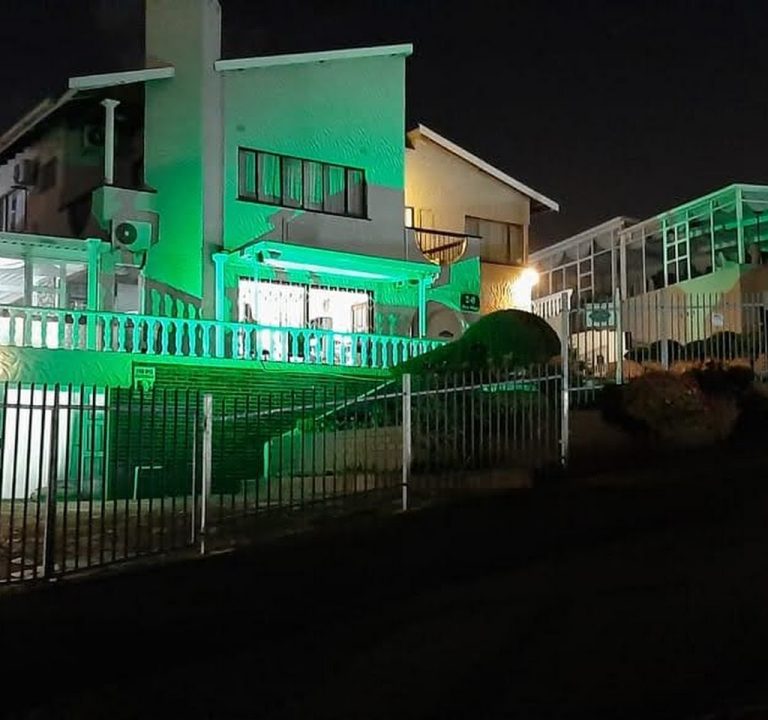
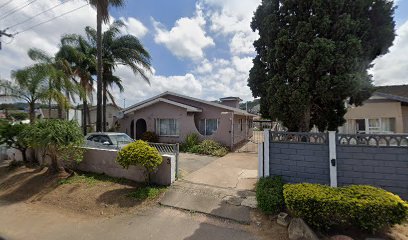
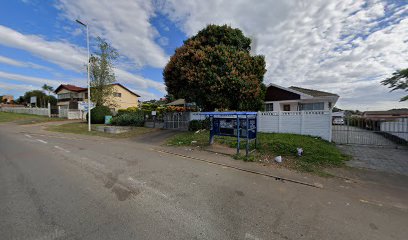
Divine Life Society of South Africa is a Religious institution establishment in Durban, KwaZulu-Natal, South Africa
Durban
KwaZulu-Natal
Reservoir Hills, Durban
South Africa
Sorry, no records were found. Please adjust your search criteria and try again.
Sorry, unable to load the Maps API.
Religious Institution Services in Durban, KwaZulu-Natal
Religious institutions in Durban, KwaZulu-Natal, offer a broad range of services that extend beyond weekly worship. From traditional services to community outreach programmes, these organisations typically provide spiritual guidance, rites of passage, educational activities, and charitable support to residents and visitors alike. The city’s diverse religious landscape includes Christian churches, mosques, temples, and other faith communities, each contributing to the social fabric of the region.
Worship and sacramental life are central to most institutions. Regular services are held on weekends and during weeknights, with sermons, hymns, prayers, and readings tailored to the faith tradition. Chapels and sanctuaries are designed to accommodate congregations of varying sizes, often incorporating adaptable spaces for smaller gatherings or larger outreach events. In addition to Sunday services, many churches offer midweek services, prayer meetings, and special services during religious holidays. Sacraments or rites of passage, such as baptisms, confirmations, weddings, and funerals, are commonly facilitated, frequently with a community-oriented approach that involves lay volunteers and clergy working together.
Educational and developmental programmes form a key part of the offering. Religious institutions frequently host Bible studies, Qur’anic classes, catechism, or scripture-based instruction for all ages. These programmes can extend to youth groups, adult education, and interfaith dialogue initiatives intended to foster community cohesion. In Durban, which features a mix of urban and coastal communities, programmes may address local needs such as youth mentorship, language support, and cultural events, alongside theological study. Public lectures, music ensembles, and devotional workshops are often organised to engage families and visitors.
Community support and charitable work characterise many institutions in the area. Social outreach commonly includes food banks, soup kitchens, clothing drives, and support for the elderly or marginalised individuals. Some centres run counselling services, grief support groups, or addiction recovery programmes, leveraging faith-based frameworks to provide holistic assistance. Fundraising events and partnerships with local organisations help sustain these efforts, while volunteers contribute time and skills to service delivery. In addition, places of worship frequently act as informal community hubs, offering safe spaces for reflection, quiet contemplation, or simply a place to connect with others.
Practical considerations for visitors and residents involve accessibility, safety, and etiquette. Many venues are located near central Durban or suburban hubs, with varying levels of street eligibility and transport links. Public transit routes, parking arrangements, and disabled access are important factors for attendees with mobility needs. Service times may differ between congregations, and holiday calendars often influence the schedule. It is useful to check arranged visiting hours or contact details before travel, particularly for larger events or ceremonies. Dress modestly and respectfully, following local custom and the specific expectations of different faith communities.
Financial and administrative aspects are typically straightforward. Contributions may be voluntary and linked to the ongoing maintenance of facilities, charitable programmes, or community activities. Welfare assistance is usually offered on a needs basis and managed through confidential channels within the institution. For those seeking guidance on rites, educational opportunities, or volunteer involvement, it is advisable to engage with the relevant religious centre’s published information or to speak with a member of the affiliated clergy or community coordinators.
Overall, religious institutions in Durban, KwaZulu-Natal, serve as multiservice organisations that blend spiritual life, education, and social care. They contribute to personal growth, family stability, and community resilience, reflecting the area’s vibrant cultural and religious diversity.