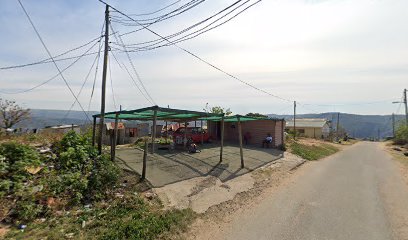
Dloko Secondary School is a High school establishment in Umlazi, KwaZulu-Natal, South Africa
Umlazi
KwaZulu-Natal
4066
South Africa


Sorry, no records were found. Please adjust your search criteria and try again.
Sorry, unable to load the Maps API.
High School Services in Umlazi, KwaZulu-Natal
High schools in Umlazi, KwaZulu-Natal, provide a range of educational offerings designed to support learners through the senior phase of compulsory schooling. The emphasis is typically on preparing students for national examinations, higher education, and the world of work, while also addressing personal and social development. Schools may operate within the public education system, sometimes with additional programmes funded or facilitated by local authorities or non-profit organisations. The core aim is to deliver a structured curriculum across core subjects such as languages, mathematics, sciences, and humanities, complemented by practical and extracurricular activities.
Learners can expect instruction in senior English and isiZulu, with additional language options where available. The social mix in Umlazi means that language support and inclusive teaching practices are often emphasised, helping pupils with diverse linguistic backgrounds access the curriculum. In many high schools, science laboratories, computer rooms, and library facilities form part of the infrastructure to support practical experiments, research projects, and independent learning. Extracurricular offerings commonly include sport, arts, and cultural activities, which contribute to teamwork, discipline, and resilience.
Assessment and progression are integral features of high school education in the area. Regular tests, termly assessments, and matriculation examinations (the senior certificate) guide learners towards meeting a set of national benchmarks. Advisers or guidance counsellors may be available to assist with subject choices, study planning, and career considerations. While the specifics of assessment can vary between schools, the general pattern involves continuous assessment alongside end-of-year examinations. Families can expect clear notices about timetables, examination dates, and school policies, with formal reporting on progress and behaviour.
Practical considerations for families and students in Umlazi include transportation, after-school care, and the need for reliable stationery and uniforms. Many learners rely on public transport to reach schools, so timetable alignment and safe travel routes are often important factors. After-school activities provide opportunities for tutoring, peer mentoring, and supervision, supporting young people in maintaining focus on their studies. Uniform policies and dress codes are common, with standardised requirements that contribute to a disciplined school environment.
Within the classroom, teaching approaches in Umlazi often balance traditional instructional methods with student-centred learning. Teachers may employ group work, discussions, and guided inquiry to foster critical thinking and problem-solving. Where resources permit, digital tools and online learning platforms can support homework tasks and revision, although access may vary between schools. The emphasis remains on reinforcing key concepts, ensuring comprehension, and building study skills that endure beyond the school years.
Families selecting a high school in Umlazi typically consider factors such as academic results, facilities, and the availability of extra support services. Proximity to home, inclusivity practices, and a school’s community reputation can influence choice. Once enrolled, students should expect clear rules regarding attendance, conduct, and safety, alongside opportunities to engage with educators in parent–teacher engagement activities.
Overall, high school services in Umlazi aim to deliver a well-rounded education that equips learners with the knowledge, skills, and confidence needed to progress to further study or employment. The local context, language dynamics, and varied resource levels shape the delivery of schooling, but the central objective remains the realisation of each student’s potential through structured learning, supportive guidance, and meaningful opportunities to participate in the school community.