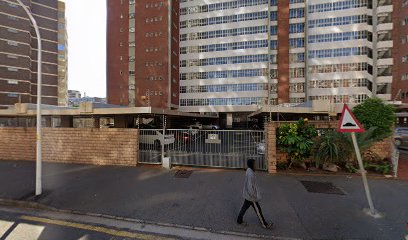
Dr AB Gokul is a Doctor establishment in Durban, KwaZulu-Natal, South Africa
Durban
KwaZulu-Natal
4001
South Africa
Sorry, no records were found. Please adjust your search criteria and try again.
Sorry, unable to load the Maps API.
Doctor services in Durban, KwaZulu-Natal
Durban, a major coastal city in KwaZulu-Natal, offers a broad spectrum of medical services delivered by general practitioners, specialists, and hospital-based teams. In both private and public sectors, patients can expect a combination of primary care, preventive medicine, diagnostic testing, and treatment across diverse medical disciplines. The city’s healthcare landscape reflects South Africa’s mixed system, with private practices typically providing shorter wait times but higher costs, and public facilities emphasising access to essential care, sometimes with longer queues.
Primary care and family medicine are routinely available through independent general practitioners and clinics across Durban. These practitioners often handle routine health maintenance, chronic disease management, immunisations, and common urgent concerns. Individuals may visit a local GP for initial assessments, referrals to specialists, and follow-up care after hospital treatment. Preventive services, including health screenings, lifestyle advice, and maternal and child health support, form a core part of primary care offerings.
Specialist services in Durban cover a wide range of medical fields. Common examples include internal medicine, cardiology, orthopaedics, dermatology, paediatric medicine, obstetrics and gynaecology, urology, and ENT (ear, nose and throat). For more complex needs, patients are usually referred from a GP or a hospital to a specialist for targeted investigations, such as imaging, laboratory tests, and specialised procedures. Hospitals in and around Durban host emergency departments, elective surgery units, maternity wards, and intensive care facilities, contributing to a comprehensive care pathway for serious or acute conditions.
Diagnostic and investigative services are a staple of the local healthcare ecosystem. Public clinics and private laboratories provide blood tests, ECGs, X-rays, ultrasound, and more advanced imaging where available. If imaging or pathology results indicate the need for specialist input, referrals follow a structured process to ensure timely follow-up and treatment planning. Where necessary, guard against delays by enquiring about the typical wait times for non-emergency investigations, while bearing in mind that private facilities may offer faster access to certain tests.
Practical considerations for Durban patients include navigating the choice between public and private care, arranging appointments, and understanding funding arrangements. In private practice, many clinics operate on appointment-based systems, with some walk-in capacity for urgent but non-emergency issues. Public healthcare remains vital for essential services, often accessible via government hospitals and regional clinics, but may involve longer wait times and higher volumes of patients. Private medical insurance and medical aid plans frequently influence access to services, consultation fees, and the affordability of specialist care.
Accessibility and convenience are important in Durban, where traffic and parking can affect appointment punctuality. Many practices and facilities provide parking facilities nearby, and some clinics are reachable by public transport. Multilingual staff and clinicians are common in urban settings, with English and isiZulu widely used, alongside other South African languages. Patient records, referrals, and follow-up arrangements are typically managed through local administrative processes, with hospitals and clinics emphasising continuity of care when possible.
For those seeking medical attention in Durban, a practical approach involves identifying a suitable primary care provider, clarifying the anticipated costs and insurance cover, and understanding the appropriate pathway for acute versus chronic conditions. While the specifics of services may differ between facilities, the overarching aim remains the delivery of accessible, professional medical care that supports overall well-being for residents and visitors alike.