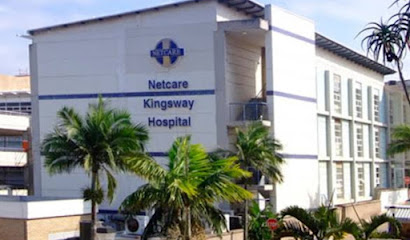
Dr AK Pillay is a Endocrinologist establishment in Amanzimtoti, Kwa-Zulu Natal, South Africa
Dr AK Pillay – Endocrinologist, Diabetologist and Specialist Physician (Amanzimtoti, Kwa-Zulu Natal)
Dr AK Pillay is presented as a Specialist Physician specialising in diabetes, metabolic and endocrine disorders, with practice rooms linked to Netcare Kingsway and St Augustine’s Hospitals. The consultancy positions itself as a safe, welcoming and therapeutic space for patients living with metabolic and endocrine diseases, as well as other medical conditions. The team emphasises a comprehensive approach to care, integrating modern diagnostic technology with personalised management plans.
The core focus is on conditions affecting the endocrine system and metabolic health. Typical areas of expertise include diabetes mellitus (types 1, 2 and related forms), lipid disorders, obesity, thyroid disorders (including hypothyroidism, hyperthyroidism, thyroiditis, nodules and goitre), disorders of bone metabolism (such as osteoporosis, vitamin D deficiency and related conditions), adrenal disorders (including Addison’s disease and Cushing’s syndrome), pituitary disorders (including prolactinomas, acromegaly and hypopituitarism), reproductive endocrine issues (notably PCOS, amenorrhoea, infertility and related hormonal concerns), and broader hormonal and metabolic conditions. The description indicates that patients with both endocrine and broader medical needs may consult Dr Pillay, with inpatient and outpatient services available.
The practice highlights a multidisciplinary, patient‑centred model. Dr Pillay works in collaboration with a team including a practice manager, reception staff at two locations, and a clinical assistant. When necessary, referrals are made to specialists in other disciplines to ensure a comprehensive care plan. This collaborative approach also mentions coordination with allied disciplines such as dietetics, podiatry, physiotherapy and clinical psychology to address the full spectrum of patient needs.
The consultation environment is described as equipped with the latest diagnostic and digital technology, enabling thorough clinical evaluation. The overarching aim is to create a therapeutic space that supports patients living with metabolic and endocrine diseases, while accommodating other medical conditions that may arise during treatment. The practice emphasises a calm and supportive atmosphere intended to foster trust and safety throughout the patient journey.
In terms of logistics, the practice operates from two hospital bases—Netcare Kingsway and St Augustine’s Hospitals. Contact details provided for patient convenience include landlines and mobile numbers for both sites, as well as WhatsApp options for connecting with the team. An online appointment booking link is available for those seeking a formal consultation arrangement. The hospital settings suggest that both in‑patient and out‑patient pathways are accessible, depending on the clinical requirements and the patient’s condition.
From a patient‑experience perspective, the emphasis on clear communication, timely access to diagnostic information, and coordination with other health professionals is evident. The practice’s stated goal of being welcoming and therapeutic aligns with a focus on reducing anxiety around endocrine disorders and diabetes through empathetic, expert supervision and a structured care plan. The presence of a dedicated clinical assistant and front‑of‑house reception teams at both hospital locations indicates a commitment to guiding patients through appointments, tests and follow‑ups with consistency and support.
Typical engagement with the service appears to unfold through a combination of initial assessment, diagnostic evaluation using contemporary tools, and a personalised treatment programme. The approach may include lifestyle advice, pharmacological management, monitoring of hormone levels, and adjustments to treatment plans as needed. Given the breadth of conditions listed, the practice is positioned to manage both common endocrine concerns and more complex or rare metabolic disorders, with the option to coordinate care with other medical specialists as appropriate.
Practical tips for patients seeking to engage with Dr Pillay’s services include: preparing a concise medical history and a list of current medications and allergies; bringing prior test results where available; using the provided WhatsApp channels or online booking to arrange appointments; and allowing for a multidisciplinary approach if additional expertise is required. For those in the Amanzimtoti area or the greater Kwa‑Zulu Natal region, the two hospital bases offer convenient access points, with contact options available for both sites to suit different preferences.
Business hours are not specified in the material provided, but the two hospital locations are the primary access points for consultations. The areas served are described as Amanzimtoti and surrounding Kwa‑Zulu Natal, reflecting the practical reach of the practice within the hospital network and community context.
Amanzimtoti
Kwa-Zulu Natal
Athlone Park, Amanzimtoti
South Africa
Sorry, no records were found. Please adjust your search criteria and try again.
Sorry, unable to load the Maps API.
Endocrinologist Services in Amanzimtoti, Kwa-Zulu Natal: What to Expect
Endocrinologists in Amanzimtoti, Kwa-Zulu Natal, provide specialised medical care for conditions related to the body's hormone systems. In this coastal region, patients typically access services after a referral from a general practitioner or nurse practitioner, especially for complex or persistent endocrine concerns. The focus is on accurate diagnosis, personalised treatment plans, and ongoing monitoring to improve health outcomes.
Typical services cover a broad range of hormone-related disorders. Commonly addressed conditions include diabetes mellitus, particularly type 1 and type 2, where management emphasises glucose control, lifestyle advice, and medications as needed. Thyroid disorders, such as hypothyroidism, hyperthyroidism, and goitre, are another cornerstone, with tests to measure thyroid function and appropriate treatment adjustments. Adrenal and pituitary disorders, which can affect energy levels, weight, mood, and metabolism, are assessed through careful history-taking, targeted blood tests, and imaging where indicated. Hormonal changes during adolescence or menopause, as well as issues related to fertility and reproduction, may also be considered within routine endocrine care.
Diagnoses are typically supported by a combination of laboratory testing and clinical assessment. Blood tests to evaluate hormone levels, metabolic markers, and organ function are common, alongside imaging studies such as ultrasound or specialised scans when appropriate. In some cases, oral glucose tolerance tests or other specialised investigations are utilised to clarify a diagnosis or guide treatment decisions. The goal is to establish a clear understanding of the underlying cause and to tailor therapy to the individual's needs and circumstances.
Treatment approaches prioritise evidence-based practices and may include lifestyle interventions, pharmacotherapy, and monitoring strategies. For diabetes management, this often involves medication adjustments, dietary guidance, physical activity recommendations, and regular follow-up to track blood glucose trends and response to therapy. Thyroid disorders may require thyroid hormone replacement or suppressive therapies, with periodic blood tests to ensure levels remain within target ranges. In conditions affecting bone health, such as osteoporosis or metabolic bone disease, endocrine consultation may include assessments of fracture risk and recommendations for supplementation, lifestyle measures, or additional therapies where appropriate. Endocrinologists may also address rare or complex hormonal disorders by coordinating care with other specialists when multidisciplinary input is beneficial.
Patients can expect structured appointments that review symptoms, test results, and treatment effectiveness. Educational information is often provided to help individuals understand their condition, recognise warning signs, and actively participate in management decisions. Practical considerations include the availability of nearby facilities for blood tests and imaging, pragmatic scheduling to minimise disruption to work and family life, and clear follow-up plans. In Amanzimtoti, access to experienced endocrine care is supported by healthcare networks that connect patients with appropriate specialists and laboratory services within the region.
When planning care, patients should consider their personal health goals and any concurrent medical conditions, as these influence treatment choices and follow-up frequency. It is advisable to bring a current list of medications, recent test results, and a summary of symptoms to each consultation. For those new to endocrine services, a referral from a GP or primary care provider is a sensible first step to ensure timely assessment and appropriate continuity of care.
Endocrinologist services in Amanzimtoti offer a principled, patient-centred approach to managing hormone-related health concerns, with a view to stabilising conditions, reducing complications, and supporting overall well-being in the local community.