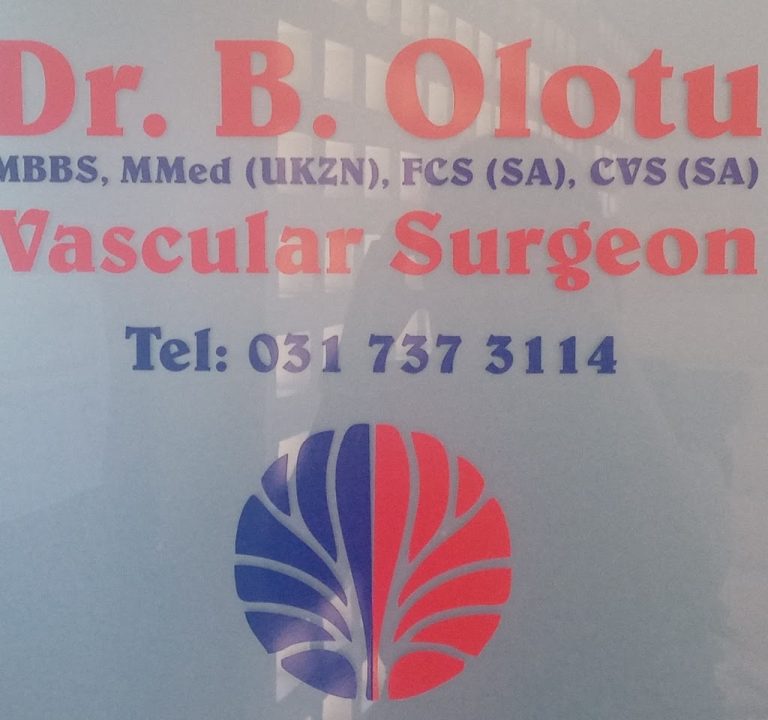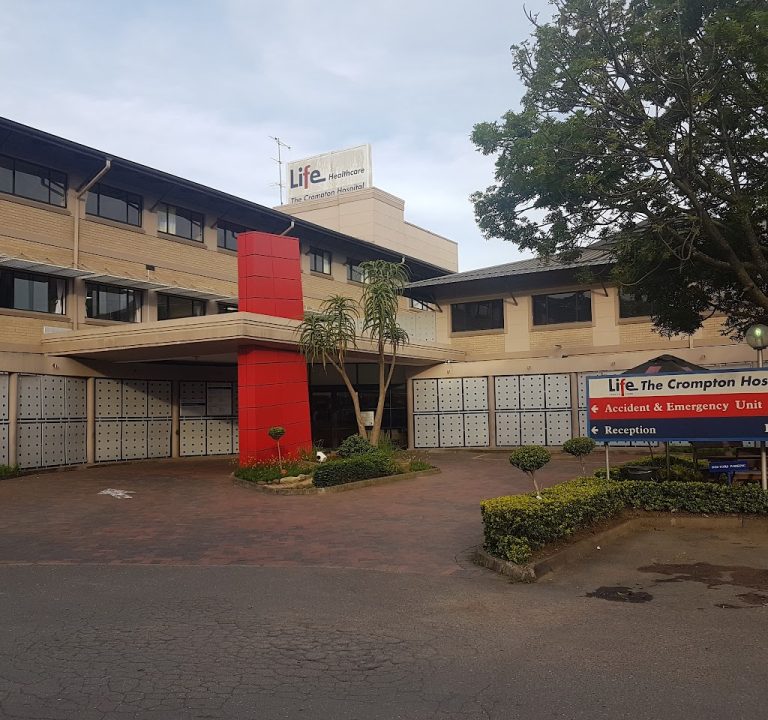
Dr. B. Olotu – Vascular Surgeon is a Vascular surgeon establishment in Pinetown, KwaZulu-Natal, South Africa
Pinetown
KwaZulu-Natal
Pinetown
South Africa


Sorry, no records were found. Please adjust your search criteria and try again.
Sorry, unable to load the Maps API.
Vascular surgeon services in Pinetown, KwaZulu-Natal
Vascular surgeons in Pinetown provide diagnostic and operative care for diseases of the arteries, veins and lymphatic system. The aim is to preserve blood flow, relieve symptoms and reduce the risk of complications such as ulcers, limb loss or stroke. In KwaZulu-Natal, these specialists typically work within hospital networks and private clinics to offer timely assessment, imaging and revascularisation options that suit local patients and resources.
Patients usually begin with a detailed consultation backed by non-invasive tests. Symptoms such as leg pain after walking, cold or discoloured limbs, swelling, ulcers that fail to heal, or signs suggestive of carotid or abdominal aortic disease may lead to referral to a vascular surgeon. Basic assessments frequently involve Doppler ultrasound or duplex scanning to evaluate blood flow in the arteries and veins. In some cases, CT or MRI angiography may be used to map the circulatory system before any treatment is planned. The goal is to identify blockages, aneurysms or abnormal vessels and to determine the most appropriate course of action.
The range of services commonly encountered in Pinetown encompasses both conservative and interventional approaches. Non-surgical management may focus on risk factor modification, optimisation of blood pressure and cholesterol, smoking cessation, exercise advice and wound care for venous or arterial ulcers. For many conditions, particularly those related to atherosclerosis or chronic venous insufficiency, lifestyle changes and pharmacological therapy play a crucial supporting role alongside procedures when indicated.
Interventional and surgical options address more significant disease or deteriorating symptoms. Where suitable, endovascular techniques such as balloon angioplasty or stenting may be performed through minimally invasive access, enabling faster recovery compared with open surgery. Open surgical procedures, including bypass grafting or aneurysm repair, remain essential in complex cases or when endovascular methods are inappropriate. In some settings, combined care pathways are used, integrating imaging, surgery and postoperative rehabilitation to optimise outcomes.
Patients can expect a structured care pathway once a vascular concern has been identified. Pre-operative assessments commonly include blood tests, medication reviews and general fitness checks. Post-operative follow-up typically involves wound monitoring, imaging as needed, and ongoing management of cardiovascular risk factors. For chronic venous disease, ongoing surveillance and compression therapy recommendations may form part of the management plan. Language and cultural considerations, as well as local healthcare funding arrangements, influence how services are accessed and organised in Pinetown and the surrounding region.
- Common conditions addressed by vascular surgeons in the area include peripheral arterial disease, carotid artery disease, abdominal aortic aneurysms, venous insufficiency and non-healing leg ulcers.
- Procedures often offered include Doppler and duplex imaging, angioplasty with or without stenting, endovascular aneurysm repair (EVAR) where appropriate, and open vascular surgery when necessary.
- Practical considerations involve referral pathways, the role of private versus public healthcare facilities, and the importance of patient education about symptom monitoring and aftercare.
Overall, vascular surgeon services in Pinetown are aimed at delivering timely, evidence-based care tailored to local circumstances. The emphasis is on clear communication about risks and expectations, careful assessment of the most appropriate intervention, and coordinated follow-up to maintain vascular health. Patients are encouraged to engage actively in their management, ask questions about treatment options, and organise support for post-procedure recovery where needed.