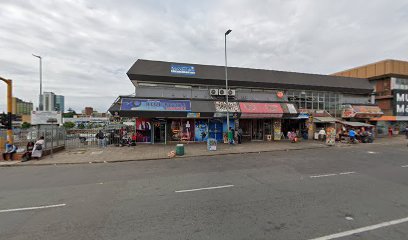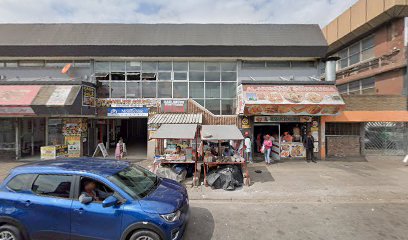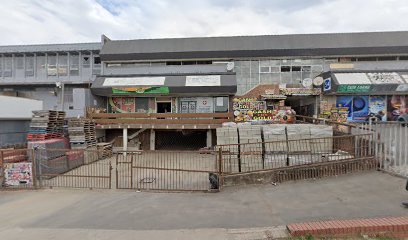
Dr.Issa is a Doctor establishment in Durban, KwaZulu-Natal, South Africa
Durban
KwaZulu-Natal
Pinetown, Durban
South Africa
Sorry, no records were found. Please adjust your search criteria and try again.
Sorry, unable to load the Maps API.
Doctor Services in Durban, KwaZulu-Natal
Durban, a coastal city in KwaZulu-Natal, offers a broad spectrum of medical care delivered by general practitioners, specialists, and hospital-based teams. In this setting, doctor services typically emphasise both routine health maintenance and conditions requiring ongoing management. Patients commonly access care through private practices, community clinics, and larger private or public hospitals across the metro area, with choices influenced by personal circumstances, budget, and access to medical aid.
General practice and primary care are the first point of contact for most health concerns. A Durban GP or family physician can provide preventive care, routine check-ups, management of long-term conditions, and guidance on lifestyle factors that support well-being. Routine services often include health screenings, immunisations for adults and children, and advice on nutrition, exercise, and stress management. When symptoms suggest a more specialised need, a GP will typically arrange referrals to appropriate medical specialists or diagnostic services.
Specialist services in Durban cover a wide range of fields, from cardiology and dermatology to orthopaedics, obstetrics and gynaecology, paediatrics, and internal medicine. Specialist appointments may occur in private clinics or hospital settings. Diagnostic pathways commonly involve laboratory tests, imaging studies such as X-ray or ultrasound, and consultations that focus on diagnosing specific conditions and outlining treatment plans. In many cases, multidisciplinary collaboration is available, with different clinicians contributing to a patient’s care plan.
Preventive and maternal health are prominent in the Durban area. Antenatal services and routine obstetric care are well established, with access to ultrasound imaging, prenatal testing, and postpartum support. Children’s health coverage includes well-baby clinics, immunisations, developmental assessments, and treatment for common childhood illnesses. Geriatric care, pain management, and rehabilitation services also feature in the regional healthcare landscape, addressing the needs of older adults and individuals recovering from injuries or surgery.
Practical considerations for patients include understanding the funding and access framework. Public healthcare is available but may involve longer waiting times and need for referrals through primary care clinics. Private sector options often provide shorter waiting times and more predictable scheduling, usually funded by medical aid schemes or out-of-pocket payments. It is important to confirm whether a practitioner is contracted with a patient’s medical aid and to understand the terms of consultation fees, tests, and any follow-up visits.
Language and cultural considerations are meaningful in Durban. Many clinicians operate in English, with Zulu and other South African languages common in the region. Clear communication about symptoms, medical history, and treatment options enhances care quality. Accessibility can vary by location; urban clinics and private hospitals tend to offer more extensive facilities, including on-site laboratories and imaging services, while smaller clinics may refer patients to nearby diagnostic centres.
Patients considering doctor services in Durban should weigh convenience, proximity to home or work, and personal comfort with the care environment. When seeking care, it is prudent to check the clinician’s professional credentials, the facility’s accreditation status, and the availability of appointment slots for timely treatment. Overall, Durban provides a comprehensive framework for general and specialised medical care, with a strong emphasis on continuity of care, preventive health, and responsive patient support.