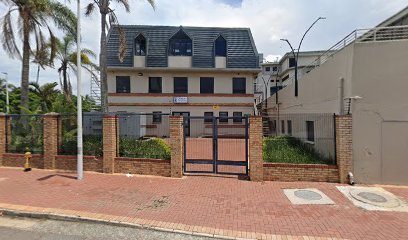
Dr M A Manjra Orthopaedic Surgeon is a Orthopedic surgeon establishment in Durban, KwaZulu-Natal, South Africa
Dr M A Manjra Orthopaedic Surgeon – Summary of Services and Patient Experience
Dr Muhammad A. Manjra is a Durban-based orthopaedic and arthroplasty surgeon specialising in the hip and knee joints. His practice blends advanced training from local and international fellowships with a patient‑centred approach aimed at improving mobility, reducing pain and restoring function. Based in KwaZulu-Natal, he operates primarily through Ahmed Al-Kadi Private Hospital in Durban and maintains a part‑time senior specialist post at the hip and knee unit of Inkosi Albert Luthuli Central Hospital, a referral centre serving KwaZulu‑Natal and surrounding provinces.
The surgeon’s focus lies in reconstructive, restorative and replacement surgeries of the hip and knee, including both adult and paediatric trauma considerations. He is recognised for embracing innovative techniques and technology to enhance precision and recovery. Notably, his practice highlights the Direct Anterior Approach (DAA) for minimally invasive hip replacements, together with robotic and other minimally invasive strategies designed to optimise outcomes and shorten rehabilitation timelines. These methods are employed within a framework of tailored, patient‑specific care, spanning from non‑surgical management to definitive surgical solutions.
Dr Manjra’s professional profile reflects a combination of extensive international exposure and dedicated local service. Training highlights include sub‑specialty hip and knee arthroplasty work at Tygerberg Hospital in Cape Town, followed by fellowships abroad, including a hip and knee reconstruction fellowship at the Sunnybrook Holland Orthopaedic and Arthritic Centre in Toronto, Canada. This international experience complements a home‑country practice that emphasises evidence‑based decision making, ongoing professional development and clinical mentorship for colleagues. The result is a care pathway that values solid diagnostic assessment, clear discussion of options, and collaborative planning with patients and their families.
In patient care, the practice emphasises a patient‑centred philosophy. The team seeks to establish a personalised treatment plan that addresses the individual’s goals, whether that involves conservative management, arthroscopic interventions, or joint replacement. Diagnostic processes commonly employed include thorough clinical history taking, physical examination, and judicious use of imaging and investigations to determine the most appropriate course of action. The aim across treatment modalities is to optimise function, relieve pain and facilitate a timely return to daily activities and sport where possible.
The clinical services are supported by a dedicated team at partner facilities. Amirah Howard, the executive assistant to Dr Manjra, coordinates initial visits and the administrative steps surrounding surgery, with a focus on a seamless and calm patient experience. Administration and billing are supported by a team including Zethu Milanzi and K‑Medical (Karli Mostert), ensuring clarity on appointments, procedures and financial arrangements. A network of allied professionals, including anaesthetists (e.g., Dr Ramiro Randolph) and physiotherapists, supports perioperative care and rehabilitation, contributing to comprehensive patient management from pre‑assessment through to recovery.
Typical service areas and job types featured include:
- Knee pain, arthritis and knee replacement surgery
- Hip pain, hip arthritis and hip replacement surgery
- General orthopaedic conditions and trauma care (adult and paediatric)
- Sports injuries and trauma management, including fractures and ligament injuries
- Minimally invasive and robotic techniques for joint replacement
- Arthroscopic procedures for hip and knee joints
Requests for care typically follow a structured workflow. A patient consult is arranged through the clinics at Ahmed Al‑Kadi Private Hospital or Life The Crompton Hospital (New Germany, Pinetown). The process usually begins with an initial consultation, followed by diagnostic evaluation and a personalised treatment plan discussion. For surgical cases, pre‑operative assessments are coordinated by the administrative team, with ongoing communication supported by the patient care team to keep patients informed about timelines and expectations. The practice emphasises informed participation, inviting patients and their families to engage in decision‑making as part of a collaborative care approach.
Practical tips for prospective patients include assembling prior medical records, imaging and medication lists for assessment, and arranging referrals where appropriate. Given the hospital affiliations, patients can expect access to a well‑equipped orthopaedic facility, with dedicated operating theatres and post‑operative rehabilitation services available either in‑house or via the network of providers linked to the partner hospitals. Communication with the executive assistant and administrative team can help clarify practical aspects of visits, hospital admissions, and follow‑up care.
Geographically, the practice serves Durban and the wider KwaZulu‑Natal region, with hospital affiliations that support a broad spectrum of orthopaedic care—from non‑surgical management of musculoskeletal pain to complex reconstructive procedures for the hip and knee. The emphasis throughout is on delivering reliable, outcomes‑driven care with attention to individual goals, recovery potential and long‑term joint health.
Durban
KwaZulu-Natal
Mayville, Durban
South Africa


Sorry, no records were found. Please adjust your search criteria and try again.
Sorry, unable to load the Maps API.
Orthopaedic Surgeon Services in Durban, KwaZulu-Natal
Orthopaedic surgery in Durban encompasses a wide range of musculoskeletal care delivered by specialists who focus on bones, joints, ligaments, tendons, and nerves. In KwaZulu-Natal’s coastal city, patients typically access services through private clinics, public hospitals, and specialised orthopaedic centres. The aim is to restore function, reduce pain, and improve mobility following injury, degenerative conditions, or congenital concerns.
Patients seeking orthopaedic expertise commonly present with issues such as joint pain and stiffness, persistent back or neck problems, sports injuries, and fractures resulting from falls or accidents. A typical pathway begins with a consultation to review medical history, conduct a physical examination, and assess diagnostic imaging. This may be followed by recommendations for non-surgical management, such as physical therapy, activity modification, medications, or injections, or, when appropriate, surgical options.
Common services in Durban include:
- Fracture care and immobilisation: Initial assessment, reduction when necessary, splinting or casting, and coordinated rehabilitation.
- Arthroscopic procedures: Minimally invasive investigations and treatments of joints such as the knee, shoulder, ankle, and hip to diagnose problems or address meniscal tears, ligament injuries, or cartilage damage.
- Joint replacement and resurfacing: Procedures to replace or resurface worn or severely damaged joints, most frequently the hip and knee, with goals of pain relief and functional improvement.
- Sports medicine: Evaluation and treatment of athletes’ injuries, including conservative management and surgical repair where indicated, plus guidance on safe return-to-play.
- Spine and back care: Management of degenerative or traumatic spinal conditions, including injections, decompression, or fusion procedures when warranted.
- Paediatric orthopaedics: Assessment and treatment tailored to children, addressing growth-related concerns, congenital deformities, and injuries unique to younger patients.
- Trauma and urgent care: Acute management of musculoskeletal injuries with coordinated follow-up and rehabilitation planning.
- Non-operative therapies and injections: Utilisation of physical therapy, targeted injections, and other conservative measures to relieve pain and improve function.
- Rehabilitation coordination: Collaboration with physiotherapists and occupational therapists to design customised recovery programmes after surgery or injury.
What patients can expect during the process
- Initial assessment: A thorough history, examination, and appropriate imaging studies (X-ray, MRI, CT as needed) guide diagnosis and treatment planning.
- Shared decision-making: Treatment recommendations balance symptom severity, lifestyle needs, health status, and patient preferences, with clear explanations of risks and benefits.
- Surgical and non-surgical options: Many conditions are managed with a spectrum of choices, ranging from observation and therapy to operative intervention.
- Pre-operative preparation: When surgery is indicated, pre-admission assessments, blood tests, and instructions regarding medications and fasting are outlined.
- In-hospital and outpatient care: Some procedures require hospital admission, while others are performed on an outpatient basis with subsequent follow-up visits.
- Rehabilitation: A structured rehabilitation plan supports recovery, emphasising gradual return to activity, strength rebuilding, and functional goals.
- Practical considerations: The cost landscape varies between private and public sectors, and private care often involves funding through medical schemes. Waiting times, facility standards, and access to imaging modalities can differ by provider and location.
Practical considerations for patients in Durban
- Access to facilities: Durban provides a mix of public and private orthopaedic services, with private clinics typically offering shorter wait times and integrated imaging and rehabilitation services.
- Insurance and affordability: Medical aid plans commonly cover orthopaedic consultations, procedures, and postoperative rehabilitation, subject to policy terms.
- Postoperative care: Arrangements for home support, physiotherapy, and follow-up appointments are commonly coordinated to ensure continuity of care.
- Travel and accommodation: For non-local patients or those seeking specific expertise, partners in the city may assist with scheduling, referrals, and suitable accommodation during treatment periods.
Overall, orthopaedic surgeon services in Durban, KwaZulu-Natal, aim to deliver comprehensive musculoskeletal care through a patient-centred approach. The focus remains on accurate diagnosis, appropriate treatment pathways, and supported recovery to help individuals regain function and quality of life.