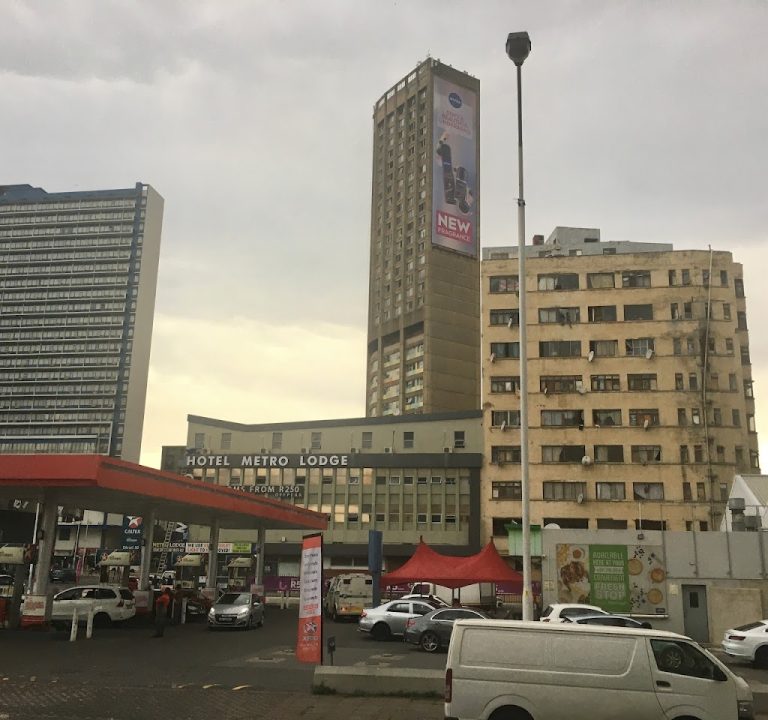
Dr R Msomi is a Doctor establishment in Durban, KwaZulu-Natal, South Africa
Durban
KwaZulu-Natal
4001
South Africa
Sorry, no records were found. Please adjust your search criteria and try again.
Sorry, unable to load the Maps API.
Doctor services in Durban, KwaZulu-Natal: a practical overview
Durban, a major city in KwaZulu-Natal, hosts a diverse network of medical practices and clinics that cater to residents and visitors alike. The Doctor services in this region typically cover a wide spectrum, from routine primary care to specialised medical consultations. In Durban, patients can expect access to general practitioners (GPs), family doctors, paediatricians, obstetricians and gynaecologists, internal medicine specialists, and other clinical disciplines within private clinics, public hospitals, and community health centres.
The daily workings of Doctor services usually begin with a triage or appointment system, enabling patients to book convenient slots for consultations. General practice often focuses on preventive care, management of common illnesses, chronic disease surveillance, vaccinations, and health education. In addition to routine check-ups, many practices offer services such as blood pressure monitoring, cholesterol and diabetes screening, weight management support, and travel health advice for those visiting or returning from abroad.
For more complex health concerns, referrals to specialists are commonly arranged through the initial GP consultation. Common specialist areas include cardiology, dermatology, orthopaedics, ENT (ear, nose and throat), and mental health services. In Durban, private facilities frequently provide quicker access to such specialists, while public sector services play a critical role in offering comprehensive care to the broader population.
Maternity and child health represent important components of Doctor services in Durban. Antenatal care, delivery, postnatal follow-up, and routine childhood vaccinations are typically coordinated either through dedicated clinics or hospital-based services. Paediatric care often emphasises growth monitoring, immunisations, developmental assessments, and timely management of common illnesses in children.
Preventive care and health education are emphasised across most practices. Patients are advised on lifestyle choices, such as diet, exercise, smoking cessation, and alcohol moderation, with tailored plans to reduce risk factors for chronic conditions. Immunisation programmes are commonly offered, including routine childhood vaccines and traveller vaccines where appropriate. For those with chronic diseases, ongoing management plans focus on medication adherence, regular laboratory testing, and symptom monitoring to prevent complications.
Practical considerations for patients seeking Doctor services in Durban include the following:
- Accessibility and locations: Durban features a mix of urban clinics, private practices, and public health facilities across the metropolitan area, with many practices situated near major hospitals and transport links.
- Patient information and records: Medical histories, test results, and treatment plans are typically stored securely within the practice or hospital systems, with patients often asked to bring identification, insurance details, and any relevant referral documents.
- Payment and insurance: Private Doctor services commonly operate on a fee-for-service basis, with possible coverage under private medical aid schemes. Public services may be subsidised, subject to eligibility and municipal or national health policies.
- Language and communication: A range of languages is spoken in Durban, including English, Zulu, and Afrikaans; interpreters or multilingual staff may assist where needed.
- Emergencies and urgent care: Acute care is available through public emergency departments and private urgent care facilities. In critical situations, emergency services follow established triage procedures and rapid transport to appropriate hospital units.
Overall, Doctor services in Durban, KwaZulu-Natal, are characterised by a blend of accessible primary care and specialised options, supported by a network of clinics and hospitals. Patients can expect courteous reception of health concerns, clear explanations of diagnoses and treatment options, and a focus on continuity of care through regular follow-ups and preventive guidance. Practical preparation for visits, including bringing personal medical information and a list of current medications, helps ensure efficient appointments and effective management of health needs.