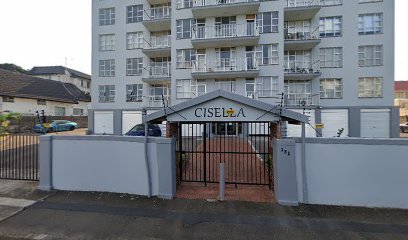
DSW- Durban Solid Waste is a Local government office establishment in Berea, Kwa-Zulu Natal, South Africa
Berea
Kwa-Zulu Natal
4001
South Africa


Sorry, no records were found. Please adjust your search criteria and try again.
Sorry, unable to load the Maps API.
Local government office services in Berea, KwaZulu-Natal, South Africa
Local government offices in Berea provide a range of essential municipal services aimed at supporting residents and businesses in the area. These facilities operate as access points for administrative duties, civil services and community programmes, typically managed by a metropolitan or local municipality responsible for Durban’s surrounding suburbs. Visitors can expect a structured, service‑oriented environment designed to handle routine matters efficiently while directing more complex enquiries to appropriate departments.
What customers can expect from these offices includes clear guidance on processes, defined service categories, and the use of public counters or service centres for in‑person assistance. Interaction may involve submitting forms, receiving information, or arranging appointments for specific issues. While some tasks can be initiated online, many residents still visit in person to verify details, present original documentation, or obtain certified copies. Staff are generally trained to provide guidance on required documents, typical processing times, and the steps involved in various applications or requests.
Common categories of services typically offered include civil and birth or death registrations, property/property records, rates administration and bill payments, and licensing or permits for activities such as building, business operations, or street trading. Other essential functions cover waste management services, water and sanitation queries, electricity supply coordination, road maintenance, and public safety coordination with local fire and emergency services. Town planning and building control are commonly featured, alongside dog licensing, cemetery management, and municipal by‑laws enforcement. Public facilities information, registration for local programmes, and access to council meeting notices or community forums are also part of the offering.
The experience of engaging with a Berea local government office often involves several practical considerations. Arriving early to avoid queues is a typical tip, as centres can become busier during peak hours or at month‑end in line with rate payments and service renewals. Applicants are usually advised to bring original identification, proof of address, and any site‑specific documents relevant to the request, such as title deeds for property matters or building plans for planning applications. Some processes may require certified copies or witnesses, while others can be completed with standard forms available at reception or from the municipality’s website.
Payment methods commonly accepted for municipal services include in‑person payments at designated counters, automated payments through banks or municipal portals, and card or cash options. While online functionality varies by municipality, assistance is typically available at help desks to guide residents through digital services, including viewing account status, arranging payment plans, or obtaining information on service interruptions or maintenance schedules.
Accessibility considerations are usually taken into account, with designated service counters, translation assistance, and information displays in multiple languages where applicable. Public access may extend to information on local development plans, zoning considerations, and opportunities for community input. If problems arise, escalation paths exist within the department hierarchy, with options to lodge complaints or seek clarification about service timelines and responsibilities.
In summary, Berea’s local government offices function as practical hubs for essential civic services, combining face‑to‑face assistance with clear guidance on documentation, processing steps, and the management of municipal requirements. They serve residents and businesses by delivering predictable, regulated procedures while aiming to support timely and equitable access to public services within KwaZulu‑Natal’s urban communities.