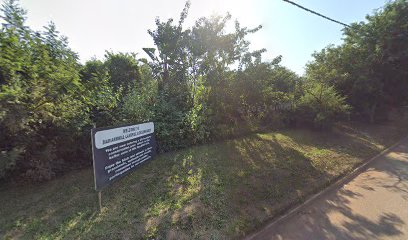
DSW Marianhill Landfill (Servicing) is a Municipal corporation establishment in Pinetown, KwaZulu-Natal, South Africa
Pinetown
KwaZulu-Natal
3610
South Africa
Sorry, no records were found. Please adjust your search criteria and try again.
Sorry, unable to load the Maps API.
Municipal corporation services in Pinetown, KwaZulu-Natal
In Pinetown, KwaZulu-Natal, municipal services are provided through the local authority responsible for urban management, infrastructure maintenance, and community well‑being. The services are designed to support daily life, business activity, and sustainable neighbourhood development within the greater Durban metropolitan area. Public expectations focus on reliability, transparent administration, and responsive service delivery that supports both residents and enterprises.
Waste management forms a core offering, combining regular refuse collection, recycling programmes, and bulk waste handling. Municipal services typically schedule collection on designated days, with guidelines on how to prepare bins and separate recyclables. Residents and businesses may access information about collection calendars, waste disposal sites, and nuisance controls for littering or illegal dumping. Cleanliness of streets, public spaces, and parks also falls under municipal oversight, with routine maintenance, landscaping, and waste receptacles in busy commercial zones and residential enclaves.
Water supply and sanitation are essential elements of municipal responsibility. Services usually include metering, billable consumption, leak detection, and maintenance of water mains, service connections, and sewage networks. Customers can expect guidance on meter readings, water restrictions during shortages, and information on pressure concerns. Where supply disruptions occur, the authority communicates anticipated restoration times and unauthorised connections are addressed through regulatory measures to protect public health and the integrity of infrastructure.
Electricity services—whether managed directly by the municipality or through a partner utility—cover network maintenance, street lighting, and metered consumption for homes and businesses. Street light repairs and outage reporting are common features, helping to maintain safety and visibility for pedestrians and drivers after dark. Energy-related decisions frequently align with broader city planning goals, including resilience for weather events and gradual upgrades to the electrical network.
Roads and transport infrastructure receive ongoing attention, including pothole repairs, resurfacing, and drainage maintenance. Traffic calming measures, signage, and pedestrian crossings are part of the urban management remit to support safe travel for residents and customers visiting commercial areas. Public spaces, libraries, and community facilities are maintained to provide venues for civic engagement, information access, and cultural programmes.
Planning, building control, and licensing are prominent administrative functions. Processes typically encompass building plans approval, land use zoning, and building inspections to ensure compliance with by-laws and safety standards. Permits for activities such as construction, events, or street closures may involve applications, fee schedules, and designated processing timelines. The municipality often provides guidance on proposed developments, environmental impact considerations, and housing initiatives aligned with municipal strategies.
Rates, taxes, and customer service form the financial backbone of service delivery. Property rates, service charges, and business licences contribute to the funding of municipal programmes. Customers can expect billing cycles, payment options, and clear information on rebates, exemptions, and debt management policies. Public inquiries and complaint channels are typically available for reporting service shortfalls, requesting improvements, or seeking guidance on regulatory obligations.
Practical considerations for residents and businesses include understanding municipal by‑laws, attending council meetings or access to minutes, and recognising the role of public participation in local governance. Deliveries of services may be influenced by municipal budgeting cycles, climate considerations, and regional collaborations within KwaZulu‑Natal. While individual platforms or tools vary, the overall experience aims to be accessible, predictable, and accountable, with routines for service restoration during interruptions and mechanisms for feedback to inform future planning.
In summary, municipal corporation services in Pinetown encompass essential utilities, infrastructure maintenance, regulatory services, and community facilities. The emphasis remains on reliable delivery, transparent processes, and practical guidance to help residents and businesses navigate daily needs while contributing to the area’s ongoing development and resilience.