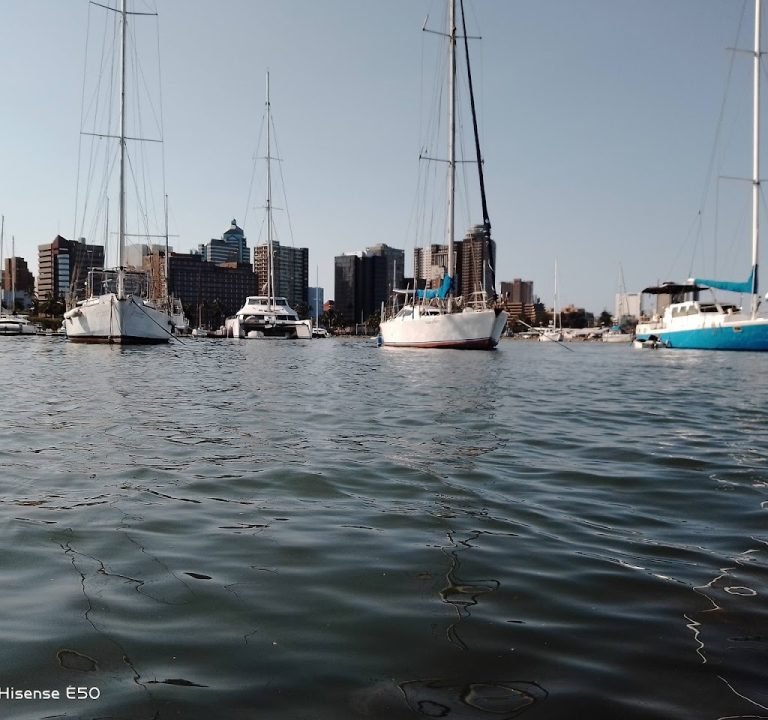
DURBAN BOAT OWNERS ASSOCIATION is a Boat club establishment in Durban, KwaZulu-Natal, South Africa
Overview of Durban Boat Owners Association (DBOA) — Boat Club Services in Durban, KwaZulu-Natal
Durban Boat Owners Association functions as a dedicated club for individuals who own boats in the Durban area. Described as a club serving the interests of boat owners, it provides a focal point for members to engage with fellow seafarers, share practical boating knowledge, and connect over common passions related to harbour life and maritime activity in KwaZulu-Natal’s principal harbour city. The association’s presence highlights Durban’s waterfront culture and the local boating community’s desire to organise, support one another, and foster a sense of camaraderie among members who use the harbour facilities regularly.
The organisation is physically located in Durban, with a notable address linked to the Harbour area: Off Victoria Embankment, Durban. This central harbour-side placement situates the club squarely within the maritime district, reinforcing its role as a hub for boat owners seeking access to networks, information, and a community that understands the practicalities of Durban’s boating environment. The associated postal address, PO Box 61002, Bishopsgate, Durban, 4008, further signals a traditional, membership-oriented structure typical of local clubs and associations within the city.
Contact details indicate a straightforward means of reaching the association via telephone, which enables prospective members and existing boat owners to inquire about membership-related matters, events, and the club’s activities. The presence of a dedicated physical address near the Harbour underscores the association’s emphasis on proximity to maritime infrastructure, such as moorings, launch facilities, and related harbour services that are integral to Durban’s boating community.
From a visitor experience perspective, the DB OA appears to operate as a traditional club environment rather than a service-oriented business. The emphasis is on member connection and the shared experiences of boat ownership within Durban’s distinctive coastal setting. As a member-driven community, potential members and visitors are likely to encounter opportunities to meet other boat owners, exchange practical boating tips, and participate in discussions or informal gatherings that reinforce local knowledge about Durban’s waters, weather patterns, and harbour practices.
Typical activities for a Durban boat owners' club, based on the category and the surrounding context, would commonly include social gatherings, networking with other boat owners, information sharing about vessel maintenance, equipment recommendations, and guidance on harbour etiquette and safety practices. While specific programme details are not provided in the public listing, the club’s location and purpose imply a focus on peer-led learning, mutual assistance, and a sense of collective stewardship for boats and marina facilities in Durban.
Membership and engagement are described through a traditional model: members connect with the association via the listed contact channels and use Durban’s harbour infrastructure as a central touchpoint for community life. The geographical focus is Durban, and the broader area served aligns with KwaZulu-Natal’s coastal boating enthusiasts who operate along the Durban harbour front and surrounding waters.
For customers seeking practical navigation of the Durban boating scene, the following considerations may enhance the experience:
- Visit or contact through the Harbour area to inquire about club activities, meet-ups, and any member-only events tied to Durban’s boating calendar.
- Bring basic vessel information and questions about harbour regulations, mooring practices, and maintenance tips common to Durban’s waters to optimise conversations with fellow members.
- Be prepared to share experiences and learnings about local weather patterns, tides, and seasonal boating windows that affect harbour access and safety.
- Inquiries about membership requirements, fees, or eligibility are best directed to the club via the published telephone number or postal address.
Overall, the Durban Boat Owners Association appears to offer a straightforward, locally grounded platform for boat owners in Durban to connect, share knowledge, and benefit from a community built around marine stewardship and practical, day-to-day boating life on KwaZulu-Natal’s coast.
Durban
KwaZulu-Natal
Durban
South Africa


Sorry, no records were found. Please adjust your search criteria and try again.
Sorry, unable to load the Maps API.
Boat Club Services in Durban, KwaZulu-Natal
Durban’s coastal location and temperate climate make boat clubs a popular choice for maritime enthusiasts and casual sailors alike. The services on offer typically focus on access to watercraft, mooring and wakeful maintenance, social and instructional activities, and facilities that support a convenient and enjoyable day on the water. Members and guests can expect a combination of practical boating infrastructure, safety practices, and community-oriented events tailored to the subtropical South African coastline.
Most Durban boat clubs provide secure berthing options, enabling regular access to small and mid-sized craft such as powerboats, sailing dinghies, and keelboats. This usually involves a structured membership or day-pass system, with allocated pontoons or slipways, and on-site staff or volunteers who oversee entry, departures, and general site safety. The harbour environment in and around Durban affords sheltered moorings and waterway access to nearby rivers and tidal estuaries, which influences the range of vessels typically accommodated and the duration of stays.
Maintenance and support services are common elements within Durban boat clubs. On-site wash facilities, fuel access, engine bays, and associated tools are often available to assist with routine upkeep. Clubs may organise maintenance days or partnerships with local marine trades to facilitate boat painting, engine servicing, and hull cleaning. Safety considerations are central, with lifejackets, radio communications, and emergency procedures standardised to align with local maritime regulations. In some instances, clubs offer training or partner with accredited instructors to provide skills development in navigation, seamanship, weather interpretation, and winterisation for longer periods of inactivity.
Educational and social programmes are a hallmark of many Durban boat clubs. Members frequently enjoy access to sailing schools, introductory courses for beginners, and specialised clinics for more advanced skippers. Informal social events, regattas, and sheltered spaces for post-sailing gatherings help cultivate a sense of community while promoting responsible boating behaviour. Depending on the club, there may be opportunities to participate in youth programmes, environmental stewardship activities, or charity fundraisers that align with the broader maritime culture of KwaZulu-Natal.
Facilities supporting day trips and longer excursions typically include well-appointed clubhouses, occasionally with kitchens or informal dining areas, viewing decks, and shaded outdoor terraces. Changing rooms, showers, and secure storage for equipment are common conveniences that enhance the visitor experience. Proximity to Durban’s beaches and the natural harbour means that a boat club visit might integrate with water-based leisure activities such as fishing, coastal cruising, or recreational sailing, while also considering local wind patterns, currents, and seasonal weather.
Practical considerations for prospective members or visitors include planning around peak sailing times, weather advisories, and tidal cycles. While Durban’s climate is generally forgiving, exposure to sun and sea spray necessitates appropriate protective gear, sun protection, and hydration. Access arrangements, guest policies, and any dockside restrictions are usually communicated in advance, ensuring that non-members can enjoy introductory sessions or day visits where offered. It is also prudent to verify any required permits or compliance related to boating on South African waters and to understand the club’s rules regarding dive sites, protected habitats, and waste disposal practices.
Overall, Durban boat clubs offer a balanced mix of practical infrastructure, safety-conscious operations, and social activities that appeal to both seasoned sailors and newcomers. The experience tends to emphasise approachable access to waterways, supportive maintenance and training opportunities, and a welcoming community environment, all set against the vibrant maritime backdrop of KwaZulu-Natal.