Durban Botanic Gardens is a attractions establishment in Durban, KwaZulu-Natal, South Africa
Durban Botanic Gardens (Durban, KwaZulu-Natal) — Attractions Summary
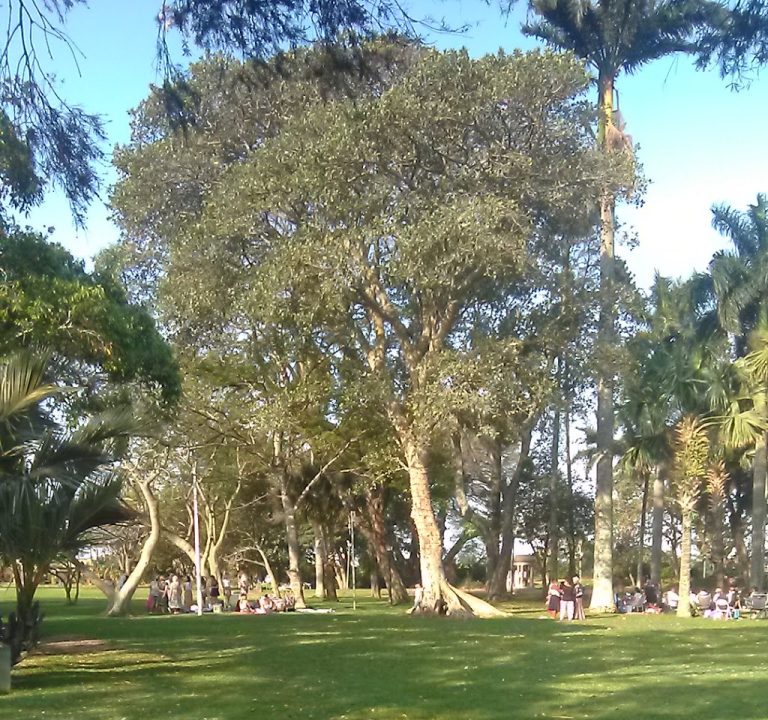
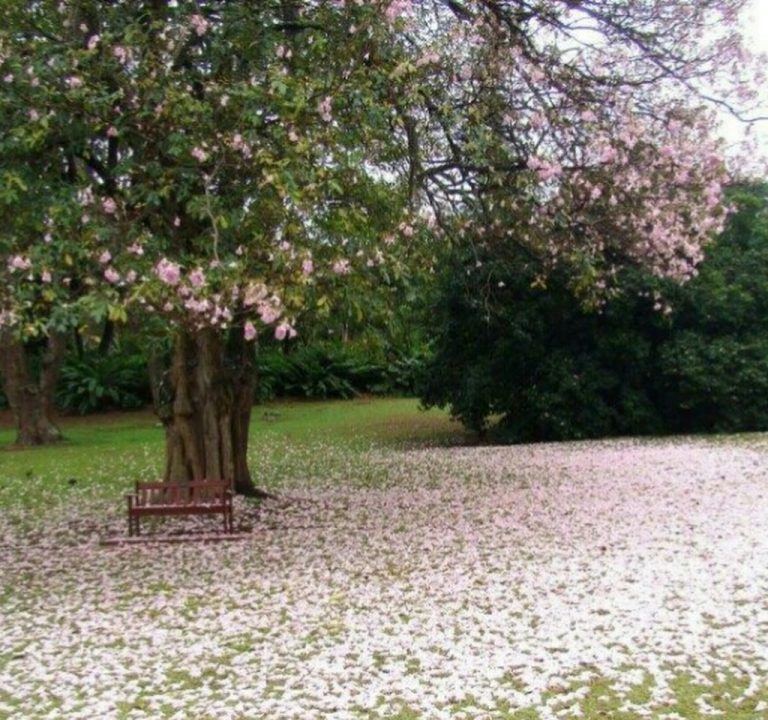
The Durban Botanic Gardens in Musgrave is Africa’s oldest surviving botanic garden, established in 1849, and operates as a city asset with a dedicated Trust supporting biodiversity, education, heritage, horticulture and research. The site is presented as a cultural and ecological hub where plant conservation and plant‑based education are central aims, with ongoing governance and programming provided by the Durban Botanic Gardens Trust alongside the local municipal administration.
Core services and experiences span education, public access to curated plant collections, and flexible event hosting. Visitors encounter a historic landscape that emphasises biodiversity, environmental stewardship and educational outreach. A range of formal programmes is offered through the Gardens’ Education team, alongside volunteer‑driven tours and community engagement designed to foster appreciation of nature, sustainability and the urban environment.
The Gardens’ educational offering is a prominent feature, incorporating both school‑based programmes and adult programmes. School programmes are curriculum‑aligned and emphasise biodiversity, ecology, climate change and the United Nations Sustainable Development Goals. These activities are facilitated by trained volunteers and supported by the Durban Botanic Gardens Trust, with an emphasis on accessibility and inclusivity for learners from diverse backgrounds. The programme line‑up covers pre‑primary through senior phases, including hands‑on sensory activities, garden life explorations, pollination and plant ecology, invasive species awareness, soil studies, biodiversity walks and explorations of indigenous plants and traditional healing practices. Since 2013, the school programme has engaged thousands of learners, highlighting a strong commitment to citizenship, environmental justice and practical science education.
Adult programmes extend beyond guided tours to themed experiences that cover the gardens’ history, heritage, notable trees and palms, and remarkable specimens. Popular options include introductory walks, heritage and tree‑focused tours, and expert highlights of the garden’s oldest and most iconic plant groups. All education programmes require advance bookings through the Education team, underscoring a structured approach to visits and group planning.
Beyond education, the Gardens offer access to published and scholarly material through its publications programme. The Trust publishes works such as Woodiana and the umKhuhlu series, which explore the relationship between people and plants, city heritage, botany and horticultural science. Publications often accompany broader educational outreach, and some titles are available through bookshops or direct via the Durban Botanic Gardens Trust.
Venue hire constitutes another major service, enabling groups to host events within the historic gardens. Booking arrangements and co‑ordination are handled by the Trust’s Venue Hire team, with dedicated contacts listed for reservations and coordination. This makes the gardens a versatile setting for conferences, ceremonies, gatherings and themed events, subject to availability and specific venue regulations managed by the Trust.
Operational information, including contact details, is channelled through the Gardens’ reception and the Trust's information office. The address is 9A John Zikhali Road, Musgrave, Durban, 4001, with local contact numbers and email addresses provided for reception, education, venue hire and donations. The institution maintains a formal privacy and terms framework for its online presence, reflecting standard expectations of public heritage organisations in South Africa.
In terms of guest experience, the gardens are positioned as a heritage and educational destination with a focus on accessibility, community engagement and sustainable urban planning. The education team emphasises an inspiring, citizen‑centred approach rather than merely imparting factual content, aiming to cultivate a lasting appreciation for nature and the urban environment among visitors of all ages.
Practical tips for visitors include planning ahead for education programmes or group tours, recognising that advance bookings are required for school and adult education activities. Those interested in weddings, corporate events or other large gatherings should explore venue hire options through the Trust. Visitors are encouraged to engage with official channels for current events, tours and publications, and to note the Gardens’ role as a living heritage site within the Durban metropolitan area.
Locations and accessibility are framed by the Durban Botanic Gardens’ status as a city asset serving Durban and the surrounding region, with special collections and educational programmes designed to complement public engagement with the natural world.
Durban
KwaZulu-Natal
4001
South Africa
Sorry, no records were found. Please adjust your search criteria and try again.
Sorry, unable to load the Maps API.
Attractions Services in Durban, KwaZulu-Natal
Durban’s attractions landscape comprises a broad mix of experiences designed to appeal to local visitors and international travellers alike. In this coastal city, service providers typically coordinate a range of offerings that help travellers discover the region’s natural beauty, cultural heritage and family-friendly entertainment. The emphasis is on safeguarding enjoyment while ensuring convenient access, clear information and reliable support throughout the guest journey.
Most attractions services revolve around entry access, guided interpretation and practical logistics. Buyers can expect a structured approach to visiting, with clear pricing where applicable, defined opening hours, and information on what is included in a standard visit. Visitors often encounter staff or organisers who can assist with directions, accessibility needs and basic safety guidance. For outdoor sites, weather considerations and times of day commonly influence scheduling, with adjustments communicated in advance when possible.
A typical model involves a central point of contact for the experience, whether this is a physical ticketing desk, a field-based guide or a mobile-authenticated booking system. From this starting point, the service usually covers one or more of the following: a curated route or programme, commentary delivered by knowledgeable guides, and opportunities to engage with exhibits, demonstrations or performances. Where transport is involved, arrangements may include shuttle options, parking guidance and reasonable travel times between components of a day’s programme.
Durban’s attractions are frequently designed to accommodate diverse needs. Accessibility features such as ramps, accessible restrooms and quiet areas are commonly highlighted in advance, and staff are often briefed to assist with seating, catering for mobility devices and accommodating families with children. Safety considerations are emphasised, including adherence to local regulations, supervision for younger guests and protocols for any hazardous environments or water‑based activities.
Practical considerations are an important part of the customer experience. Visitors are generally encouraged to plan ahead for peak seasons, school holidays and weekends, when certain sites may be busier. Where appropriate, it is common to be advised to bring water, sunscreen and comfortable footwear, particularly for coastal walks or lengthy exhibitions. Disabled access, age suitability and language options are frequently addressed in pre-visit information to help guests select experiences that align with expectations.
Below is a short overview of the typical services offered within Durban’s attractions sector:
- Entry arrangements and ticketing support, with information on inclusions, exclusions and any age-based pricing.
- Guided interpretation or self-guided options, delivered through onsite staff or widely available written materials.
- Transport and access coordination, including parking guidance and, where relevant, shuttle services.
- Safety and accessibility provisions, such as risk disclosures, emergency procedures and assistance for mobility or sensory needs.
- Amenity provision, including rest areas, refreshment facilities and clean, well-signposted facilities.
For visitors seeking a well-rounded day, a common approach is to combine several components into a single itinerary. This typically involves selecting a core experience, supplementing with additional showcases or activities, and ensuring provisions for rest breaks and meals are accounted for. In Durban, these services are often designed to complement the city’s climate and maritime setting, offering a balanced mix of outdoor enjoyment and indoors-rich interpretation.
In summary, attractions services in KwaZulu-Natal aim to deliver a seamless, informative and enjoyable experience. By emphasising clear information, practical arrangements and considerate accessibility, these offerings support visitors in making the most of Durban’s distinctive appeal.