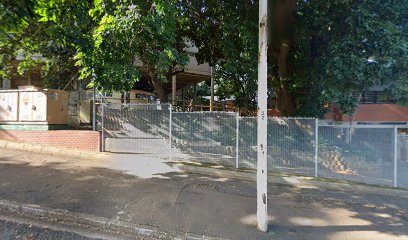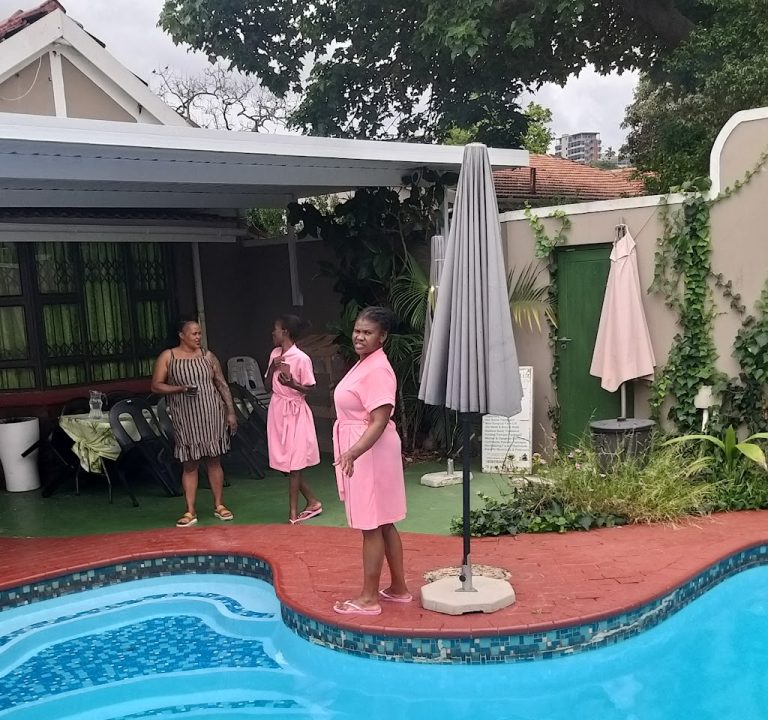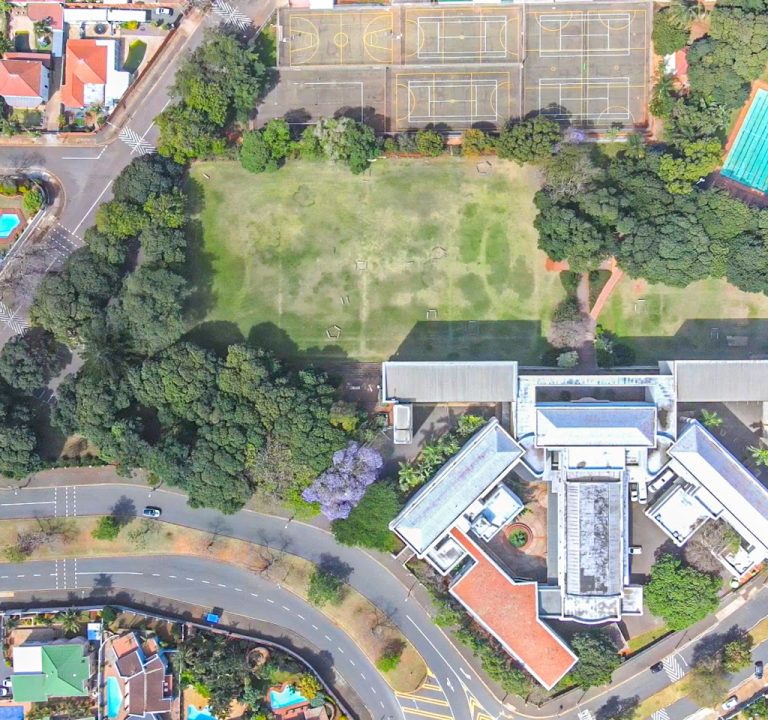
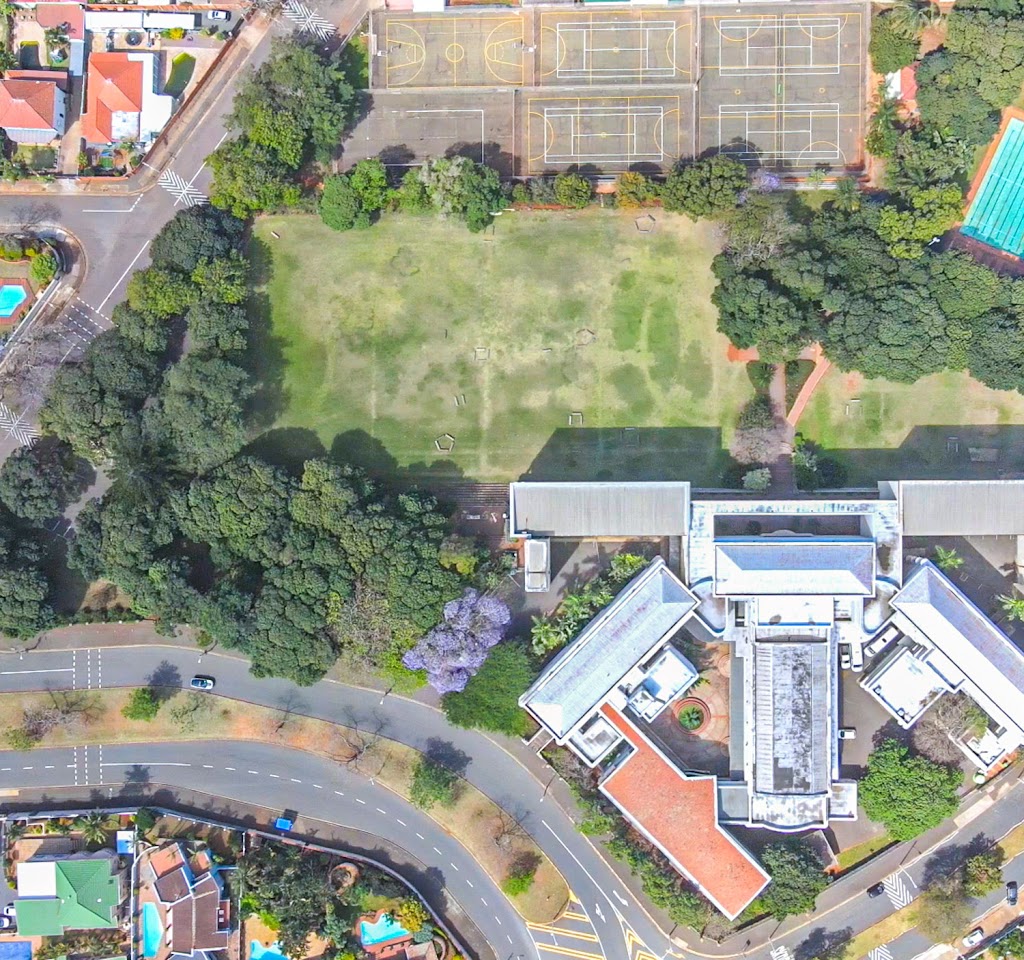
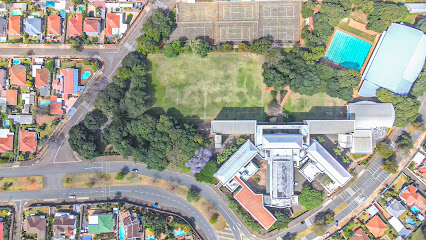
Durban Girls High School is a Girls’ high school establishment in Berea, Kwa-Zulu Natal, South Africa
Durban Girls’ High School: Overview of Services, Programmes and Visitor Experience
Durban Girls’ High School (DGHS), located in the Berea area of Kwa-Zulu Natal, South Africa, presents a holistic, tuition-based experience aimed at developing learners for life in a multi-cultural society. The school emphasises academic rigour alongside a broad cultural, service and sport programme, set within purpose-built facilities and advanced teaching resources. The campus promotes an integrated approach to education, with a focus on leadership, character, creativity and well-being as key outcomes of the learner journey.
Main educational and student support services offered by DGHS include:
- Academic excellence and development: The school reports a 100% matric pass rate for the 2024 cohort, with a strong average of subject distinctions and a high Bachelor Pass rate. Academic opportunities extend beyond core subjects to include Further Studies Mathematics, Further Studies Physics and Further Studies English as extra subjects, underscoring a commitment to depth and breadth in learning.
- Facilities for modern learning: DGHS features two large Art Studios, a Media Centre with over 19,000 books, dedicated Science Laboratories and an Anne Martin Science Wing with two air-conditioned lecture theatres, and a Mathematics Wing. The campus supports online access through Computer Rooms and a Digital Integration Programme that enables Grade 10 and 11 learners to work on school-managed devices, fostering innovation and digital literacy.
- Digital and developmental programmes: The Digital Integration Programme integrates technology into daily teaching and learning, while the Academic Development Programme (ADP) provides a supervised after-school space for homework, study and research in the Victor Daitz Wing. This environment supports focused study and extended learning beyond classroom hours.
- Guidance and pastoral support: A dedicated Guidance Suite offers a comfortable space for learners to reflect on goals, navigate personal journeys and access support services as part of a holistic care model.
- Culture and service opportunities: The school runs more than twenty clubs and societies, including Band, Debating, Choir, Drama Club, School Productions, Interact, and a range of open arts spaces such as the Open Studio and Open Arts programmes. Cultural activities promote self-expression, creativity and community engagement.
- Sport and wellness programmes: The Sport & Wellness Programme integrates competitive sport with wellness activities. A diverse range of codes includes Athletics, Badminton, Ballroom Dancing, Basketball, Chess, Cricket, Cross Country, Dance, Equestrian, Hockey, Majorettes, Netball, Rock Climbing, Rowing, Soccer, Softball, Swimming, Tennis, Touch, Volleyball and more. The aim is to develop health, discipline, teamwork and self-confidence, with opportunities to compete district, provincial and national events.
- Specialist facilities and access to equipment: The school houses multiple specialised spaces—Drama Wings with air-conditioned rooms, a fully equipped Consumer Studies kitchen, Music Rooms, and large theatre spaces formed by the Drama Wing’s configurable design—supporting expressive arts and practical learning.
Typical interaction and service workflow for prospective learners and families includes:
- Admissions and academic preparation: Prospective learners engage with DGHS via its established academic tracks and subject offerings, with clear pathways for senior subjects and additional study options as students progress through the grades.
- Academic and personal development pathways: The school combines standard curricula with enrichment streams (Further Studies subjects and ADP) to support individual strengths and post-school aspirations.
- Clubs, societies and cultural engagement: Learners can join a broad spectrum of clubs and societies, participate in drama productions, concerts, debates and community service initiatives, and contribute to school-led events such as Matric Dances and house performances.
- Sport and competition: Selection for district, provincial and national events is supported by qualified coaches and inter-school programmes, with a focus on personal bests, teamwork and sportsmanship.
Practical tips for visitors and prospective families include:
- Note the on-site Girls’ High Gear facility, the school’s official uniform shop, which operates with set opening hours on weekdays and Fridays, making it convenient to purchase or organise school attire during school weeks.
- Prepare for a campus experience that includes a mix of formal classrooms, specialist laboratories and expansive cultural spaces, all designed to support a balanced timetable of academics, arts and athletics.
- Explore the Digital Integration Programme and ADP to understand after-school study support and technology-enabled learning, which can supplement standard classroom delivery.
- Consider the school’s emphasis on leadership through service, as evidenced by activities such as Interact, Durban Youth Council participation and community service projects tied to broader social impact.
DGHS serves the Berea area and wider KwaZulu-Natal communities with a comprehensive offering that blends high academic standards with diverse cultural, artistic and athletic programmes, all delivered within a framework of guidance, wellness and leadership development. The campus support structure—from modern laboratories and libraries to supervised after-school study spaces—reflects a commitment to nurturing well-rounded learners prepared for tertiary education and responsible citizenship.
Berea
Kwa-Zulu Natal
4001
South Africa
Sorry, no records were found. Please adjust your search criteria and try again.
Sorry, unable to load the Maps API.
Overview of Girls' High School Services in Berea, KwaZulu-Natal
In Berea, KwaZulu-Natal, girls’ high schools typically offer a wide range of educational services designed to support academic achievement, personal development, and social responsibility. These institutions often place emphasis on a balanced curriculum, combining core subjects with a selection of elective courses, language options, and enrichment activities. The local context, including urban access, transport links, and community resources, informs how these schools structure their programmes and engage with learners and families.
Academic provision usually centres on a well-rounded junior and senior cycle, with compulsory subjects aligned to national and provincial requirements. In practice, classrooms focus on critical thinking, literacy, numeracy, scientific inquiry, and technology literacy. Subject choice tends to evolve as learners progress, offering streams or clusters that allow for specialisation in areas such as sciences, humanities, or commerce. Support systems often include tutoring or after-school study sessions, aimed at reinforcing understanding and addressing individual learning needs. Regular assessments help gauge progress and guide instructional planning.
Beyond the classroom, girls’ high schools in Berea frequently provide a broad slate of extracurricular activities. These may include sports such as netball, hockey, athletics, and cricket, alongside cultural activities like music, drama, debating, and community service programmes. Participation is encouraged as a means to develop teamwork, leadership, time management, and resilience. Clubs and societies often meet after hours or during designated times in the school week, offering learners opportunities to pursue interests and build confidence outside the standard timetable.
Pastoral care is a central feature in many Berea schools. A supportive environment is fostered through guidance teams, mentors, and counsellors who accompany learners through academic challenges, personal concerns, and social issues. Emphasis is placed on wellbeing, safeguarding, and creating a respectful campus culture. Parents and guardians can typically engage with school staff through formal parent‑teacher meetings, notices, and communications channels designed to keep families informed about progress, events, and school policies.
Transport considerations are practical realities for many Berea families. Schools often provide or coordinate safe and reliable transport options, or they may offer information about approved bus routes and commuting arrangements. Attendance policies and punctuality expectations are usually clearly communicated, recognising the importance of regular school engagement for achievement and social development.
Facilities in these institutions are generally geared towards supporting a robust learning environment. Classrooms are equipped to support modern teaching methods, with laboratories, libraries, and computer and science resources. Sporting and performing arts facilities are important, reflecting the holistic approach to student development. Where boarding is available, it tends to cater to students from broader KwaZulu-Natal or neighbouring provinces, focusing on safe accommodation, meals, and supervision that align with school routines.
Admission processes are typically straightforward but thorough, often requiring documentation such as academic records, proof of identity, and, where applicable, residence details. Selection criteria may emphasise scholastic performance, recommended readiness indicators, or alignment with the school’s ethos and values. Schools commonly publish admission timelines and entry points for grade transitions, with opportunities for open days or information sessions to help prospective learners and families assess fit.
In terms of practical considerations, families should anticipate variability in fees, financial aid options, and procurement of uniforms and materials required for the academic year. It is advisable to review the school’s policies on discipline, attendance, and assessment as well as any specific provisions for learners with additional needs. Overall, Berea’s girls’ high schools tend to prioritise an inclusive, disciplined, and aspirational environment where learners are prepared for further study, professional life, and responsible citizenship.
- Academic programmes and subject combinations
- Extracurricular offerings and competitions
- Pastoral care and wellbeing services
- Transport arrangements and safety considerations
- Facilities for learning, sport, and the arts
- Admission processes and parental engagement