no-image
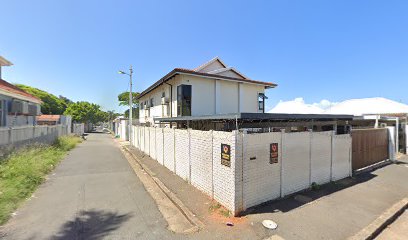
Durban Lesbian & Gay Community & Health Centre is a Community health centre establishment in Durban, KwaZulu-Natal, South Africa
Durban
KwaZulu-Natal
4001
South Africa

no-image
Sorry, no records were found. Please adjust your search criteria and try again.
Sorry, unable to load the Maps API.
Community Health Centre Services in Durban, KwaZulu-Natal
Community health centres in Durban provide a community-facing layer of primary healthcare, aiming to deliver accessible medical and social support to residents across urban and peri-urban areas. These facilities are typically designed to be reachable by public transport and within neighbourhoods that may rely on public health funding. In Durban and the wider KwaZulu-Natal region, the emphasis is on long-term care, preventative services, and coordinated referrals, recognising the diverse health needs of local populations.
Health professionals operating in these centres commonly include general practitioners, nurses, pharmacists, and allied health staff such as social workers, dietitians, and health promoters. The typical mix reflects a focus on continuous, preventive care alongside management of common conditions. Services are often built around primary care delivery, with an emphasis on early diagnosis, disease management, and health education. The centres may also act as hubs for outreach activities, offering programmes that engage communities in topics such as maternal and child health, vaccination campaigns, and chronic disease management.
A practical visit to a Durban community health centre usually follows a straightforward sequence. Registration or patient intake forms are common, after which a triage process helps determine priority needs. Patients can expect to discuss symptoms, health history, and risk factors with a nurse or clinician. Basic investigations, such as blood pressure checks, glucose screening, and point-of-care testing, are frequently available on site. When more specialised tests or treatments are required, patients are guided through a referral system to district hospitals or more specialised clinics within the public health network.
Maternal and child health services are often a core component, including ante-natal care, immunisations for infants and children, growth monitoring, and family planning advice. Immunisation programmes, in particular, play a central role in public health strategies to prevent common infectious diseases. For adults, chronic disease management—covering conditions such as hypertension, diabetes, and HIV/AIDS—typically forms a substantial part of the service mix. Support may extend to medication dispensing or prescriptions, lifestyle counselling, and adherence support.
Mental health and psychosocial services are increasingly integrated into community health centres. Access to counselling, stress management, and support for substance use issues can be part of the core offering, with referrals available for more intensive care if required. Social workers may assist with social determinants of health, including housing, food security, and integration with community resources or welfare programmes.
Practical considerations for users include potential wait times, which can vary with demand and local staffing levels. Centres are usually designed to be family-friendly and wheelchair accessible, but the physical environment may differ between locations. Administrative processes may require identification or proof of address for certain services, and patients are often advised to bring any relevant medical records or referral documents. Appointment systems differ; some centres operate on walk-in bases, while others may use scheduled appointments, particularly for chronic disease reviews or children’s health visits.
In terms of outcomes, community health centres in Durban strive to provide continuity of care, reinforcing relationships between patients and healthcare teams. They offer education on healthy lifestyles, vaccination reminders, and practical guidance for managing common health concerns within home settings. By focusing on accessibility, affordability, and community-based care, these centres form an essential component of KwaZulu-Natal’s public health landscape, supporting healthier populations through localised, integrated services.