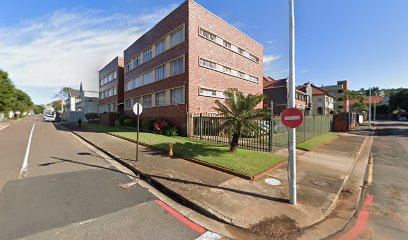
Durban Preparatory High School is a Primary school establishment in Durban, KwaZulu-Natal, South Africa
Durban Preparatory High School (DPHS) – Primary School summary
Durban Preparatory High School (DPHS) functions as a long-established boys’ preparatory school in Durban, KwaZulu-Natal, offering a comprehensive primary education that aims to prepare pupils for life beyond school. Grounded in values such as integrity, respect and leadership, the school emphasises a balanced approach to sport, academics, culture and modern technology. The heritage section underlines that the school has served the local community for more than a century, evolving from its early foundations to provide a family-like, nurturing environment while pursuing progressive educational practice.
Key facilities dedicated to supporting young learners include a Design and Technology Centre, a Learning Support Centre, and a Music and Drama Room. The Design and Technology Centre exposes boys to 21st-century skills through hands-on projects, with access to laser cutting, 3D printing, Arduino systems and drones. This hub encourages practical problem-solving and programming alongside experimentation and teamwork, aligning with a forward-looking education. The Learning Support Centre operates on Claribel Road and serves boys from Grade R to Grade 7, delivering emotional, social and academic support, including assessment and on-site therapy, under the leadership of a remedial team that includes specialists and therapists. The Music and Drama Room provides a creative space for performing arts activities—from choir and drama to instrument lessons and stage productions—encouraging holistic development in the arts alongside academic work.
The school’s culture emphasises servant leadership, excellence, self-discipline and integrity, reflecting a wider ethos that values character alongside achievement. It highlights a commitment to preparing boys who can contribute positively to society, with a focus on leadership development and high standards of conduct. The Prep Pal Programme, while primarily aimed at social interaction and mentoring, demonstrates the school’s approach to safeguarding and peer support within the junior cohort. In this programme, Grade 7 pupils mentor younger boys, promoting trust, community and responsible communication.
The dedicated facilities extend to student life and service delivery beyond the classroom. The Prep Club tuck shop/café provides a social hub offering healthy, affordable options for pupils, staff and parents, while the Unirite Uniform Shop offers convenient access to school attire. These features contribute to a well-organised daily routine and ease of everyday school life, reinforcing a sense of community and continuity in the school day.
DPHS presents its offering through a structured information ecosystem for prospective families. The admissions process is described as supportive, with a named contact (Bridget Pio) for applications and a Marketing Manager (Anna Sacks) available for information. Various publications and fee structures are available on the school’s site (including the Grade R to Grade 7 information booklet and 2025 fee schedules), which assist families in planning and decision-making. The school’s governance is described as being guided by a School Governing Body under the South African Schools Act, focusing on strategic direction while leaving day-to-day management to the school’s management team and staff.
DPHS positions itself as a community with a long-standing tradition and evolving facilities, blending traditional values with modern education. It emphasises a comprehensive approach to learning, including subject-based strengths and specialist input from areas such as languages, sciences, IT and robotics, as well as arts, physical education and remedial services. The team section lists a sizeable apprentice and expert faculty, including specialists in learning support, design and technology, performing arts, sports, and administration, suggesting a broad support network for learners across the primary years.
For families considering DPHS, practicalities such as application forms, information booklets, and fee documents are publicly accessible, and the school outlines a transparent admissions pathway. While specific daily hours or visit times are not stated in the accessible material, the location in Durban and the range of services indicate a campus designed to support daily routines of school life, parental engagement, and student welfare in a familiar neighbourhood setting.
- Main services offered: preparatory primary education for boys, Design and Technology activities, Learning Support, Music and Drama, and a structured pastoral and mentoring framework (Prep Pal).
- Typical activities and facilities: DT centre with modern technology, learning support services, performing arts space, school tuck shop and uniform shop, and on-site aftercare facilities.
- How requests usually work: contact the admissions team for applications, access information booklets and fee structures online, and engage with the marketing and information channels for prospective families.
- Practical tips: review the Grade R–7 information booklet and fee schedules to understand costs and programme details; use the admissions contacts for smooth application progression; explore the Learning Support Centre options if additional support is needed.
DPHS draws attention to a heritage of 114 years of providing education rooted in core values, while continuing to adapt to contemporary needs through technology and dedicated support services, aiming to equip boys with leadership qualities and a sense of responsibility within a nurturing Durban community.
Durban
KwaZulu-Natal
4001
South Africa


Sorry, no records were found. Please adjust your search criteria and try again.
Sorry, unable to load the Maps API.
Primary school services in Durban, KwaZulu-Natal
Durban, located on the eastern coast of South Africa, offers a diverse range of primary school services tailored to the needs of families across urban and peri-urban communities. Schools in KwaZulu-Natal generally provide a structured curriculum designed to support literacy, numeracy and foundational knowledge across key subject areas, with additional attention paid to language development and social skills. In many instances, instruction is conducted in English, with options for isiZulu or other languages as part of language programmes. The public and independent sectors both emphasise a holistic approach, aiming to prepare pupils for the transition to higher grades while fostering a sense of community and resilience.
One core service is formal curriculum delivery, typically aligned with national or provincial standards. Classrooms are structured to deliver core subjects such as English, mathematics, science, social studies, and arts and physical education. Many Durban schools also integrate environmental awareness and local cultural perspectives into lessons, reflecting the region’s unique geography and heritage. Assessments are used to monitor progress, inform instruction and identify learners who may benefit from additional support.
Support services play a significant role in Durban primary education. This often includes targeted reading and numeracy programmes, remedial assistance, and specialised support for learners with diverse needs. Speech and language therapy, occupational therapy, and psychological services may be available in larger schools or through district partnerships. Inclusive practices are commonly emphasised, with adjustments made to teaching methods, materials and assessment formats to accommodate different learning styles and abilities.
Beyond academics, an array of enrichment opportunities is typically accessible. After-school care and supervision are frequently offered to support working families, with activities that may range from supervised homework sessions to sports, arts, drama and music clubs. Recreational spaces such as playgrounds, sports fields and aquatic facilities often form part of the school grounds, encouraging physical activity and teamwork. Inter-school sports leagues and cultural events are common features of the Durban education landscape, contributing to school spirit and community involvement.
Practical considerations for parents and guardians include the daily commute, school hours, and safety measures on and around campus. Durban’s climate—characterised by warm, humid summers and mild winters—means schools frequently adopt procedures for heat, rain and storms, including shaded play areas and indoor contingencies for wet weather. Uniforms are a typical expectation in many schools, signalling a sense of uniformity and belonging while simplifying daily dressing routines. Transportation options are a practical concern; many families rely on school buses, public transport routes, or arrangements with carers and guardians to ensure punctual attendance.
Admissions and enrolment processes tend to vary by school type and governance structure. Prospective families should anticipate documentation such as birth certificates, proof of residence and academic records where appropriate, along with potential interviews or assessments to determine placement. Parents are advised to review each school’s ethos, governance, fee structures, and parental involvement opportunities, as these factors significantly influence the day-to-day experience and community atmosphere.
In addition to the above, schools in Durban frequently emphasise safety and well-being. Clear anti-bullying policies, disciplined environments, and routines that promote respectful conduct are common features. Communication with families is typically fostered through newsletters, notice boards, and occasional parent-teacher meetings, ensuring that caregivers remain informed about curricula, events and student welfare.
Overall, primary school services in Durban strive to balance academic rigour with social development and practical support. The result is an education landscape that aims to equip young learners with foundational knowledge, confidence, and a sense of belonging within a vibrant South African coastal city.