Durban Skills College Zama Training and Development Training Center is a Trade school establishment in Durban, KwaZulu-Natal, South Africa
Durban Skills College: Zama Training & Development – Trade School Overview
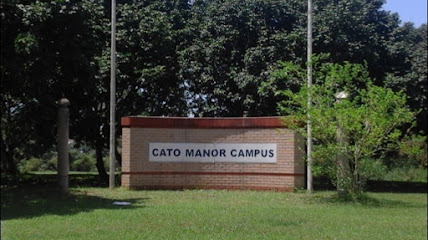
Durban Skills College Zama Training and Development Training Center operates as a QCTO- and CETA-accredited skills training college in KwaZulu-Natal, with a focus on practical, trade-based learning designed to equip learners with job-ready competencies. The institution emphasises hands-on instruction delivered by experienced lecturers who have worked in industry settings, aiming to translate classroom theory into operational capability in the workplace. The college highlights a broad portfolio of trades and related modules, positioning itself as a centre for skills development in the construction and allied sectors.
Key services and programmes include ARPL (Artisan Recognition of Prior Learning) pathways and accredited trade tests, supporting individuals in attaining recognised qualifications through both practical and theoretical assessment. The campus presents itself as an integrated training facility with facilities intended to support learning across its selected trades, supported by a cadre of qualified instructors who draw on real-world experience to inform instruction. The centre emphasises outcomes oriented towards employability, self-employment, and progression within the trades sector.
The course offering spans a sizeable range of occupational trades, with a primary focus on core construction and building disciplines. Notable trades listed include Bricklaying, Plastering, Tiling, Plumber, Carpenter, and Painter, with qualifications aligned to National Certificates (NQF) and industry standards through CETA and QCTO accreditation. The training modules cover safety, interpretation of drawings, planning and measurement, erection and dismantling of formwork, scaffolding, and the application of practical trade skills. A detailed module structure is provided for Carpentry, illustrating a comprehensive curriculum from introductory safety and first aid to advanced formwork and finishing techniques.
In addition to core trades, the centre markets a broader “Trade Skill Of Your Choice” philosophy, inviting prospective students to explore a range of skill sets designed to yield a “skill for life.” The emphasis on diverse electives within the NQF framework suggests opportunities to tailor qualifications to individual career paths within the construction and related industries. Testimonials from graduates and entrepreneurs quoted on the site reinforce the narrative of lasting value from the training, with alumni describing enhanced skills, independence, and the ability to launch or grow a business as a result of the qualification journey.
The student experience is framed around practical learning and industry relevance, with mention of a location advantage that situates the campus close to public transport routes and within reach of the Albert Luthuli Hospital area. This accessibility is presented as part of the student support landscape, helping to facilitate regular attendance and participation in practical coursework. A campus brochure and course PDFs are available for download, enabling prospective students to review module outlines, qualification details, and assessment structure before enrolment.
Typical job opportunities for graduates in this sector align with the common occupational trades listed, including roles that correspond to bricklaying, plastering, tiling, plumbing, carpentry, and painting, with potential pathways into further trade testing and formal certification through ARPL and trade tests facilitated by the institution.
Practical tips for customers considering enrolment include reviewing the accredited course list and downloadable PDFs to understand unit standards and outcomes per trade, investigating ARPL pathways if prior experience exists, and noting the emphasis on safety, first aid, interpretation of technical drawings, and material handling in the core modules. Prospective learners are encouraged to assess the timetable and mode of delivery for chosen courses, ensuring alignment with personal schedules and transport arrangements, given the campus’ accessibility notes.
Operational details such as business hours are not explicitly listed on the available pages, but the site notes accessible public transport options and a conveniently located campus area in Durban. For those seeking additional information, browsing the courses page, the downloadable trade test and module documents, or the map link to Find Us may provide practical guidance on location and entry requirements. The privacy policy and terms pages outline how the site handles personal information and user responsibilities when engaging with online materials.
- Main services offered: QCTO- and CETA-accredited occupational courses, ARPL recognition, trade test preparation, and a broad trades curriculum (bricklaying, plastering, tiling, plumbing, carpentry, painting, and related modules).
- Typical job types (based on stated trades): bricklayer, plasterer, tiler, plumber, carpenter, painter, and associated construction skilled roles.
- How requests usually work: review the course list and modules, download PDFs for detail, consult the campus contact sections for enrolment or faculty queries, and pursue ARPL/trade test pathways as appropriate.
Durban
KwaZulu-Natal
Durban
South Africa
Sorry, no records were found. Please adjust your search criteria and try again.
Sorry, unable to load the Maps API.
Trade School Services in Durban, KwaZulu-Natal
Durban, a major urban centre on the KwaZulu-Natal coast, hosts a range of trade school services designed to equip residents with practical skills for manufacturing, construction, engineering and service sectors. The offerings in this sector emphasise hands-on learning, industry relevance and nationally recognised qualifications, helping learners transition into skilled trades or upgrade existing skills for better employment prospects.
Typical services include vocational and technical training programmes that combine classroom theory with practical workshops. Students may pursue craft or trade qualifications in areas such as electrical, plumbing, carpentry, motor mechanics, welding and fabrication, masonry, refrigeration and air conditioning, or culinary arts. Short courses are also common, aimed at those seeking to gain entry-level competencies, refresh specific techniques, or broaden a portfolio of practical capabilities without committing to a full qualification. In addition, some institutions run specialised programmes for dressmaking, tailoring, beauty therapy or earthmoving plant operation, reflecting the diverse commercial activities found in KwaZulu-Natal.
Durban-based trade schools frequently forge links with local industries through partnerships and internship or apprentice programmes. These collaborations help align training with real-world needs, providing learners with supervised work-based experience and opportunities to apply learned skills in a practical setting. Certification processes typically follow recognised frameworks, with assessments designed to verify competence in both theoretical understanding and hands-on ability. While requirements vary, successful candidates usually gain documentation that supports entry-level trades work or further study within the National Qualifications Framework (NQF) or related South African standards.
Facilities commonly feature well-equipped workshops and laboratories that mirror real working environments. Learners can expect access to a range of tools, machinery and safety equipment appropriate to their chosen field. Safety training is an integral component, emphasising risk management, proper operating procedures and adherence to regulatory guidelines. Class sizes vary, but a practical emphasis remains central, often complemented by supervised project work, portfolio development and periodic assessments to track progress.
What customers can expect from trade school services in Durban includes flexible intake options and reasonable progression routes. Many centres offer daytime and evening programmes to accommodate working adults, while some may provide blended learning opportunities that combine in-person sessions with remote study resources. Guidance and counselling services are commonly available to assist with course selection, funding options and career planning, particularly for individuals returning to study after a break in employment.
Practical considerations for prospective students include access and transport, given Durban’s urban layout and traffic patterns. Proximity to industrial hubs or commercial districts can reduce commute times and facilitate attendance at practical sessions. Fee structures in this sector vary, with possibilities for government bursaries or partial subsidisation through provincial or national training initiatives. Prospective learners are advised to verify the recognised status of a programme, the scope of assessment and the potential for articulation into higher qualifications or apprenticeships before enrolment.
Overall, trade school services in Durban aim to deliver market-ready competence across a spectrum of technical and crafts-based disciplines. They support individuals seeking to enter skilled trades, upgrade existing capabilities or reorient their careers within KwaZulu-Natal’s dynamic economy. By combining practical demonstrations with structured assessment and industry-aligned outcomes, these programmes contribute to workforce development while offering clear pathways to employability and professional growth.