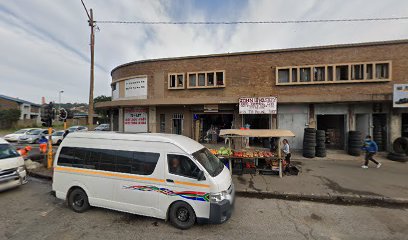
Durban South Primary School is a Primary school establishment in Durban, KwaZulu-Natal, South Africa
Durban
KwaZulu-Natal
4052
South Africa
Sorry, no records were found. Please adjust your search criteria and try again.
Sorry, unable to load the Maps API.
Primary school services in Durban, KwaZulu-Natal
Durban, located on the east coast of South Africa in KwaZulu-Natal, offers a diverse range of primary education provisions designed to support children through the foundational years of learning. Primary schools in this region typically emphasise a broad curriculum, care for learners’ wellbeing, and a supportive environment that fosters curiosity, resilience, and basic academic skills. The landscape includes public, private, and preparatory options, each with its own approach to admission, ethos, and daytime routines.
The core purpose of primary school services is to guide children through early literacy and numeracy, develop foundational knowledge across core subjects, and cultivate social and emotional development. Most schools align with the national curriculum framework, ensuring standardised progression while allowing schools to incorporate local languages and cultural contexts. English often serves as the medium of instruction, with isiZulu and other languages available at various levels depending on the school’s policies and community needs. Enrichment programmes, particularly in arts, sport, and technology, are commonly woven into daily life to support a well-rounded education.
What customers can expect in Durban schools
- Daily structure: A typical school day includes morning assembly, academic lessons, break times, and supervised after-school activities. Timetables are designed to balance core academics with creative and physical activity.
- Curriculum and assessment: Pupils engage with a broad curriculum covering literacy, numeracy, science, social studies, and arts. Regular assessment tracks progress, informs teaching adaptation, and helps identify additional support requirements.
- Language and communication: Schools may offer multilingual learning environments or language support to reflect Durban’s diverse community. Clear channels exist for reporting progress to parents or guardians.
- Support for learning needs: Inclusive practices aim to support learners with varying abilities and backgrounds. This can include access to learning support staff, resource rooms, or targeted interventions.
- Extracurricular activities: A wide range of clubs and teams are common, from sport (cricket, rugby, athletics, swimming) to arts, music, drama, and junior robotics or coding clubs, contributing to social development and teamwork.
- Transport and accessibility: Public transport networks, school buses, or walking groups are considered to suit families’ commuting needs. Accessibility is a consideration for learners with mobility requirements.
Practical considerations for Durban families
- Enrolment and admissions: Requirements typically include proof of residence, previous school records (where applicable), and vaccination or health documentation. The process generally unfolds within local catchment areas, though private schools may have different criteria.
- Fees and funding: Public schools may charge minimal or no tuition, while private and independent schools levy fees. Some learners may qualify for financial aid or bursaries, depending on the institution.
- Campus environment: Durban schools often balance a secure campus with open spaces, gardens, and playgrounds, reflecting the city’s warm climate and outdoor lifestyle. Outdoor play, sports fields, and shade structures are common features.
- Safety and welfare: Pupils’ safety, nutrition, and wellbeing are prioritised, with supervision during breaks and clear policies on discipline, bullying, and emergency procedures.
- Parent engagement: Schools generally encourage parental involvement through meetings, other communications, and participation in school events, fostering a collaborative approach to a child’s education.
In summary, primary school services in Durban centre on providing a structured, supportive environment where children build essential academic foundations while developing confidence, curiosity, and social skills. The emphasis on a balanced timetable, language considerations, access to enrichment activities, and practical logistics helps families plan effective pathways through the early years of schooling.