no-image
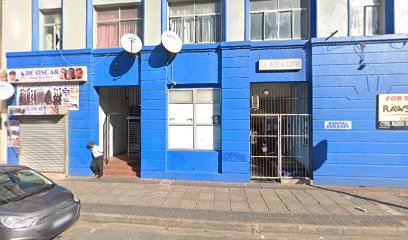
E. R. Central Medical Centre is a Medical Center establishment in Durban, KwaZulu-Natal, South Africa
Durban
KwaZulu-Natal
4001
South Africa

no-image
Sorry, no records were found. Please adjust your search criteria and try again.
Sorry, unable to load the Maps API.
Medical Centre Services in Durban, KwaZulu-Natal
Medical centres in Durban, KwaZulu-Natal offer a broad range of healthcare services designed to meet the needs of local communities, including routine care, urgent care, and preventive health programmes. The surrounding climate, population density, and access to coastal and inland facilities influence how services are structured, with many centres combining nurse-led clinics, general practice, and diagnostic support under one roof. These centres aim to provide timely care while coordinating with hospitals for specialised treatment when required.
Patients can typically expect a patient-centred approach that emphasises accessibility, clear communication, and continuity of care. Routine services commonly include general practice consultations for common ailments, chronic disease management (such as hypertension, diabetes, and asthma), vaccination programmes for adults and children, and maternal and child health services. Preventive screenings, health promotion advice, and lifestyle counselling are often part of the standard offering, reflecting a growing emphasis on early detection and long-term wellness.
Diagnostic and treatment capabilities frequently extend beyond basic consultations. Many medical centres in Durban house on-site facilities for essential investigations, such as basic blood tests, urine analysis, and imaging referrals. Some centres may provide minor procedures, wound care, and routine procedures like injections or minor surgical assistance, depending on local staffing and accreditation. For more complex diagnostics or therapies, referrals to larger hospitals or specialised centres in the region are common. Service models typically focus on streamlining referrals, ensuring that patients can access appropriate levels of care without undue delay.
Urgent care and walk-in services are a feature in numerous centres, particularly in densely populated urban areas. These services address non-life-threatening conditions that require prompt attention, such as infections, minor injuries, flu-like symptoms, or sudden but manageable health concerns. When urgent needs arise, reception systems and triage protocols help determine the urgency and the most suitable point of care, which may include on-site assessment by a clinician or directed referrals to a hospital emergency department if necessary.
Practical considerations for patients include appointment scheduling, wait times, and after-hours accessibility. In urban Durban, many medical centres operate extended hours or offer daytime and evening appointments to accommodate work and school commitments. It is common to encounter multi-disciplinary teams, with reception staff guiding patients through check-in procedures, medical history collection, and insurance or cash-based payment arrangements. Patients are typically advised to bring medical records, a list of current medications, and any relevant referral documents when visiting a centre, ensuring a smoother consultation and care coordination.
Family-friendly services are often present, with dedicated spaces for children, maternal and infant care, and age-appropriate health education. For expatriates and tourists, some centres provide multilingual assistance and familiar service arrangements given Durban’s diverse population. Infection prevention and patient safety practices are emphasised, with clean facilities, sterilised instruments, and adherence to standard clinical protocols.
Overall, Medical Centre services in Durban are characterised by a pragmatic blend of accessible primary care, preventive health, and timely diagnostic support. By focusing on continuity of care, clear patient pathways, and efficient referrals, these centres seek to meet the everyday health needs of residents and visitors while aligning with the broader regional healthcare system.