East Coast Catering Equipment is a Food machinery supplier establishment in Durban, KwaZulu-Natal, South Africa
East Coast Catering Equipment: Summary of Services and Customer Experience
East Coast Catering Equipment operates as a supplier of food machinery and related equipment in Durban, KwaZulu-Natal. The business presents a broad catalogue of equipment designed for commercial kitchens and food preparation environments, spanning processing devices, heating solutions, refrigeration products, utilities and small wares, and stainless steel furniture and fittings. The breadth of offerings positions the company as a one-stop source for operators seeking to equip or upgrade a food service operation.
In the Processing Products category, attention is given to equipment that supports meat and vegetable preparation and mass production workflows. Notable examples include milk shake machines for beverages, potato chipper and twister units for prep and portioning, bowl cutters for chopping and mixing, vegetable cutters for specialised slicing, and band saws for butchery or bone handling. A dedicated electric potato peeler completes the set of devices aimed at increasing efficiency in routine prep tasks.
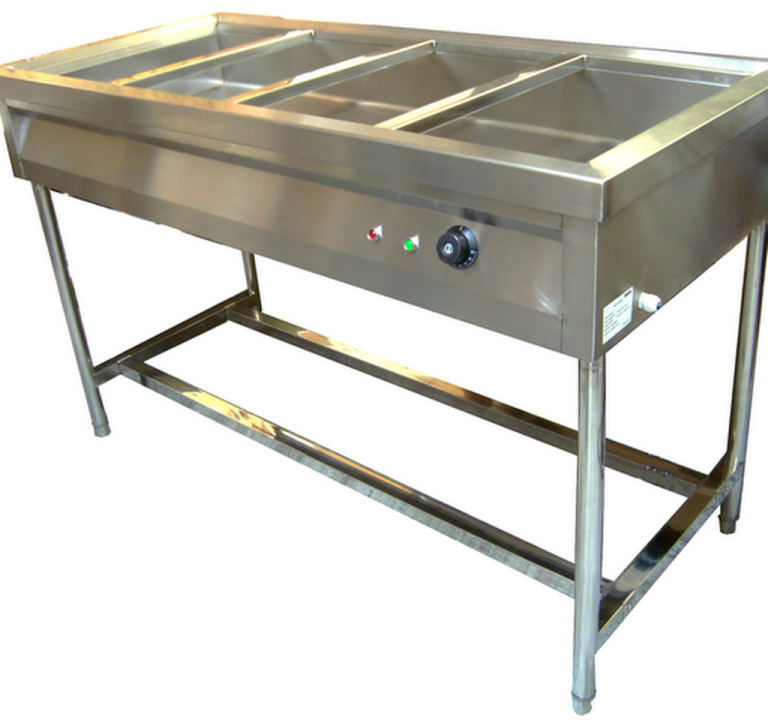
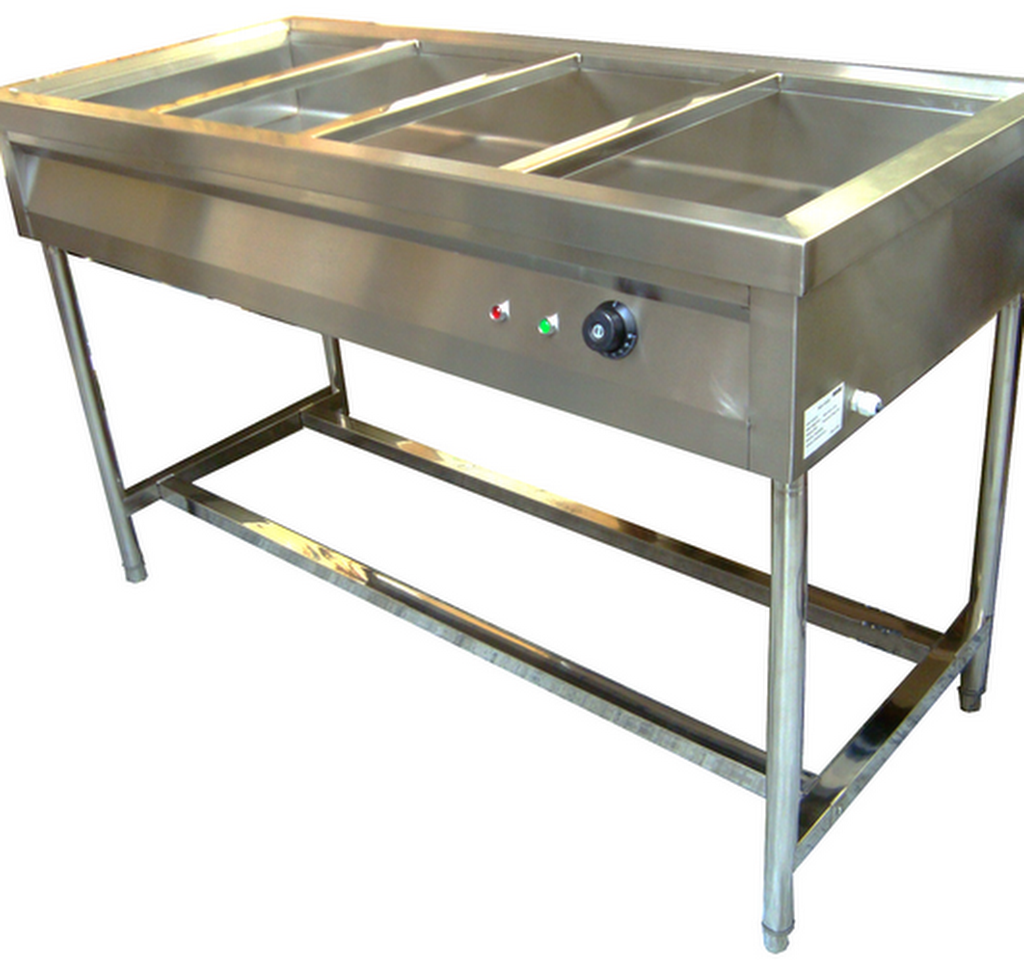
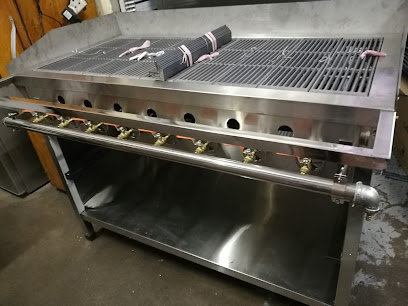
Heating Solutions form a substantial portion of the catalogue, featuring items designed to manage cooking and hot holding in busy kitchens. Key offerings include pressure fryers and chicken fryers for fast-service operations, deck ovens for versatile baking and roasting, and various bain marie and pie warmer units to maintain food at safe serving temperatures. The range also includes open flame griller options, shawarma machines, and chocolate stoves with chocolate dippers, illustrating a focus on both mainstream throughput and dessert or speciality items. A candy floss machine complements the line for events or concession-style service.
Refrigeration Products supplied by East Coast Catering Equipment cover both display and storage needs. Single and double door beverage coolers with full glass fronts are included for front-of-house presentation, alongside commercial chest freezers for bulk storage. An ice cream machine and a Scotsman ice machine are available for cold dessert and beverage applications, aligning with markets that require reliable ice production and merchandising capabilities.
The Utilities and Smalls section delivers practical accessories and smaller components essential to daily operation. Items such as food trays, bread pans, pots and pressure pots, chip baskets for fryers, and inserts and lids for GN pans help standardise and streamline kitchen workflow. These offerings enable customers to fine-tune equipment setups without purchasing entire systems, supporting both new kitchens and retrofit projects.
Stainless Steel Tables and Sinks, along with associated shelving and trolleys, form the backbone of durable, compliant storage and workspace solutions. The range includes heavy-duty stainless steel tables, commercial kitchen sinks, and a selection of floor-standing and wall-mounted shelves. Additional stainless steel items such as tea trolleys and crockery racks provide finishing touches that contribute to organised, hygienic food preparation and service areas.
Typical job types and usage contexts implied by the product mix include mid- to large-scale catering operations, such as restaurateurs, cafes, hotel kitchens, canteens, school and hospital food services, and event catering vendors. The equipment is oriented toward expanding capacity, improving efficiency, maintaining food safety temperatures, and delivering consistent product quality across various service formats.
How requests typically work (as inferred from the site structure): inquiries are likely routed by product category, allowing customers to specify the exact make and model or to request guidance on suitable equipment for a given operation. The presence of structured product pages (for processing, heating, refrigeration, utilities, and stainless steel products) suggests a catalogue-driven approach where clients can explore options, compare specifications, and identify compatible accessories or replacement parts as needed. The “Loyal customers” reference implies there may be recurring relationships and potential for repeat orders or references within the local business community.
Practical tips for customers planning a purchase or installation include:
- Begin with a clear list of kitchen workstreams (prep, cooking, hot holding, cold storage) to identify essential equipment first.
- Verify space dimensions and electrical requirements before selecting units such as deck ovens, fryers, or refrigerated displays.
- Assess service and maintenance needs, particularly for high-volume items like fryers, ice machines, and refrigeration units.
- Consider a modular approach: start with core processing and cooking equipment, then add specialty devices (shawarma, chocolate dipper, candy floss) to diversify offerings.
- Check compatibility of internal fittings (GN pans, inserts, lids) with existing or planned stainless steel tables and sinks to ensure seamless workflow integration.
Operational details such as business hours or site-specific engagement protocols are not explicitly stated on the available pages. The company’s focus appears to be on supplying a wide array of commercial kitchen equipment suitable for Durban and wider KwaZulu-Natal markets, with a practical emphasis on durable construction and functional versatility. The geographical framing suggests service within the Durban metropolitan area and surrounding regions, addressing both new installations and upgrades to established operations.
Durban
KwaZulu-Natal
Congela, Durban
South Africa
Sorry, no records were found. Please adjust your search criteria and try again.
Sorry, unable to load the Maps API.
Food Machinery Supplier Services in Durban, KwaZulu-Natal
In Durban and the wider KwaZulu-Natal region, food machinery suppliers offer a broad spectrum of services tailored to the needs of food manufacturers, artisanal producers, and hospitality operations. The emphasis is on delivering reliable equipment, genuine technical support, and practical solutions that help businesses maintain productivity while meeting safety and quality standards. This market typically showcases a mix of new equipment, reconditioned units, and a stock of spare parts intended to minimise downtime and extend the operational life of machinery used in food processing, packaging, and handling.
Core services commonly include product consultation and equipment sourcing. Customers can expect knowledgeable staff to assess production requirements, floor space, and power considerations, then recommend suitable machines such as mixers, slicers, ovens, dehydrators, freezers, conveyors, portioning tools, and packaging lines. The aim is to match capacity with demand, ensuring that equipment can integrate with existing lines and meet regulatory expectations for hygiene and traceability.
After-sales support forms a critical part of the offering. Many Durban suppliers provide installation guidance and commissioning assistance, helping to set up new or upgraded systems with proper calibration and safety checks. Ongoing maintenance plans are frequently offered, including routine servicing, troubleshooting, and the availability of spare parts. Prompt response times and access to remote diagnostics are valued features for businesses that operate around the clock or in high-demand periods.
Technical services extend beyond installation. Servicers understand the importance of reliability in a fast-paced food environment, where equipment failures can disrupt production schedules. Consequently, preventative maintenance programmes, on-site inspections, and technician visits are common components. These services aim to identify wear, misalignment, or control issues before they escalate into costly downtime or compromised product quality.
Durability and compliance are recurring themes in communications around Durban’s food machinery supply chain. Suppliers emphasise equipment that meets industry hygiene standards, is easy to clean, and designed for efficient sanitation cycles. In practice, this translates into machines with stainless steel finishes, accessible cleaning routes, and minimal crevices where microbial build-up could occur. Guidance on safe operation, lockout procedures, and standard operating protocols (SOPs) often accompanies the purchase, ensuring that staff know how to handle equipment responsibly and safely.
Logistics and accessibility are practical considerations for Durban-based buyers. Proximity to commercial hubs, ports, and industrial estates can influence delivery times and the availability of on-site support. Many suppliers offer flexible terms on delivery and installation, subject to equipment type and venue access. Language and culture of service tend to reflect local business practices, with a focus on practical, result-oriented communication and timely scheduling.
Customers typically encounter a straightforward process to secure the required machinery and services. Initial engagement usually involves describing production capacities, product types, and space constraints. A supplier then presents options, including capital equipment purchases, rental or lease arrangements, and any compatible accessories or ancillary systems such as filtration units, control panels, or software for monitoring and maintenance logs. Once a decision is made, installation or delivery is coordinated, followed by commissioning and staff familiarisation with the new equipment. Training, where offered, concentrates on safe operation, routine cleaning, and basic troubleshooting to empower local teams.
Practical considerations for Durban buyers include evaluating energy efficiency, water usage, and local service network coverage. It is prudent to confirm maintenance support availability within KwaZulu-Natal, as well as typical lead times for spare parts. Budget-conscious operators may explore refurbished options, provided they come with clear testing and warranty terms. Overall, the service landscape aims to enable smooth, compliant, and efficient production cycles while accommodating the unique climatic and logistical realities of the region.