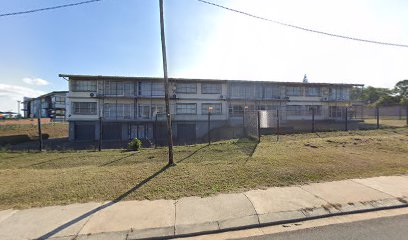
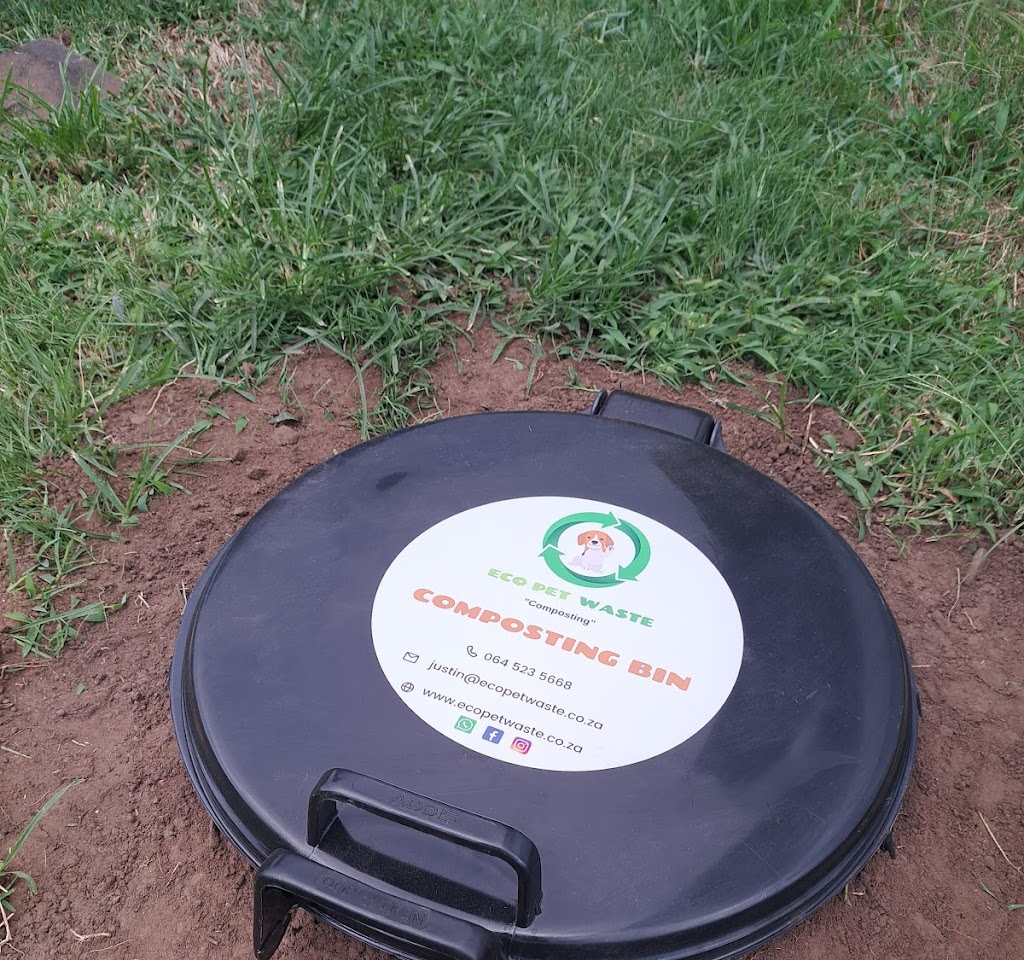
Eco Pet Waste is a Waste management service establishment in Durban, KwaZulu-Natal, South Africa
Durban
KwaZulu-Natal
Cato Ridge, Durban
South Africa
Sorry, no records were found. Please adjust your search criteria and try again.
Sorry, unable to load the Maps API.
Waste management service provisions in Durban, KwaZulu-Natal
Waste management services in Durban and the broader KwaZulu-Natal region encompass a range of solutions designed to handle household, commercial, and industrial waste efficiently and responsibly. Local providers typically align with national regulations and environmental best practices to ensure waste is collected, transported, processed, and disposed of in a manner that protects public health and the surrounding environment. Across the coastal city and its hinterland, these services are adapted to accommodate dense urban areas, growing commercial districts, and specialised industrial sites.
Core waste management offerings commonly include scheduled collections for general waste, recyclables, organic waste, and bulky items. In many urban and suburban communities, daily or weekly collection cycles are complemented by dedicated programmes for recycling and green waste. Businesses often require tailored waste management plans that specify collection frequency, container sizes, and the handling of hazardous or special waste. Waste facilities in the region may operate transfer stations, sorting facilities, and treatment plants that help divert recyclable material from landfills and support sustainable disposal routes.
Vehicle fleets and logistics form a practical backbone of Durban’s waste management systems. Reliable timetables, clearly marked containers, and trained collection crews contribute to predictable service and reduced litter. For commercial customers, waste fleets are frequently designed to accommodate varying volume levels, high-rise or multi-tenant buildings, and secure bin storage. Some operations emphasise a customer-facing documentation trail, such as waste transfer notes or receipts, to assist businesses with record-keeping and regulatory compliance.
Recycling and recovery are pivotal elements of the Durban waste landscape. Recyclables typically include paper, cardboard, plastics, metals, glass, and certain composite materials, with local facilities often concentrating efforts on sorting, baling, and transporting materials to beneficiation or reprocessing streams. Organic waste management commonly involves composting or digestion where feasible, supporting soil amendment applications or biogas production. By collaborating with community programmes and private collectors, waste management services contribute to circular economy objectives while reducing reliance on virgin resources and landfill space.
Healthcare, laboratory, and industrial waste require careful handling to protect health and the environment. Waste management providers in Durban may offer specialised guidance for segregating hazardous waste, sharps, and chemical residues, as well as secure packaging and compliant disposal routes. Regulations in South Africa emphasise proper containment, documentation, and licensing where appropriate, with service levels designed to minimise risk and ensure traceability throughout the waste lifecycle.
Customers can expect transparent communication about service scope, container specifications, and any rules governing waste deposition. Practical considerations include adherence to local by-laws on waste collection days, access for large vehicles, and the provision of clearly labelled containers to avoid contamination of streams. It is common for service agreements to outline response times for missed collections, handling of weather-related disruptions, and processes for changing collection frequencies or expanding service coverage as needs evolve.
Environmental responsibility is a growing priority in Durban, where communities and businesses seek to reduce waste that ends up in landfills. Many providers emphasise educational materials and community outreach to promote proper waste segregation at source, encouraging households and enterprises to separate recyclables, organics, and general waste. In addition, some organisations offer guidance on reducing waste generation, switching to reusable and recyclable packaging, and implementing simple on-site practices for traffic, storage, and waste minimisation.
When selecting a waste management service in Durban, it is prudent to evaluate factors such as availability of local collection routes, flexibility of service plans, adherence to regulatory requirements, and the overall environmental ethos of the provider. While exact offerings may vary, the objective remains consistent: to manage waste in a safe, compliant, and increasingly resource-efficient manner, supporting Durban’s broader sustainability goals and the well-being of its residents and businesses.