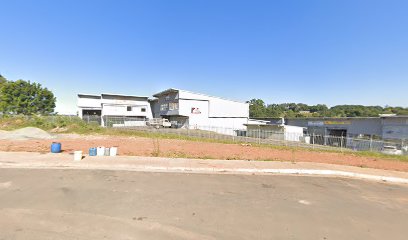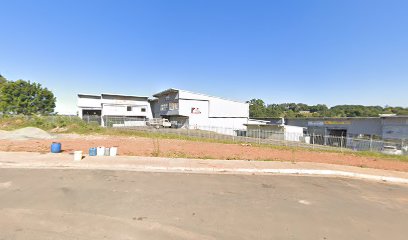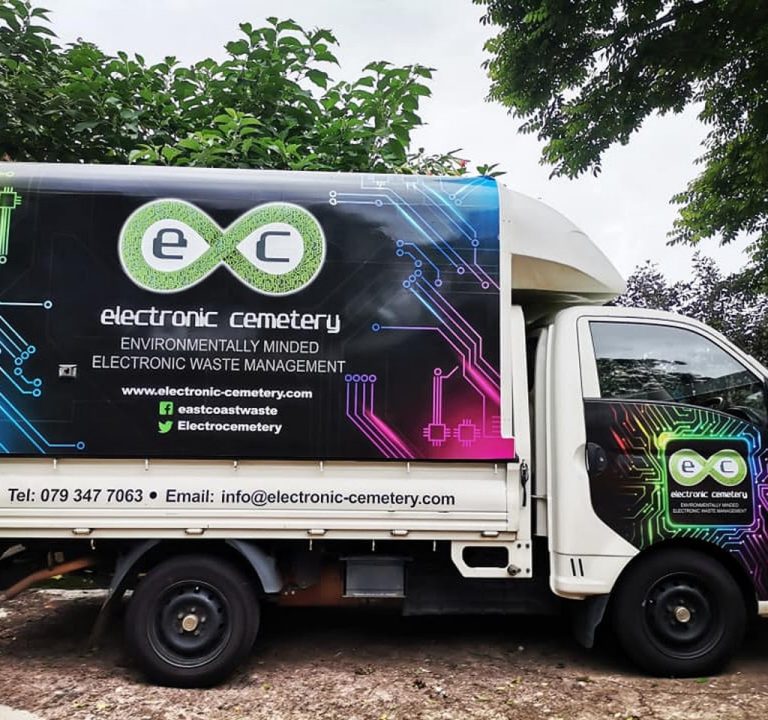
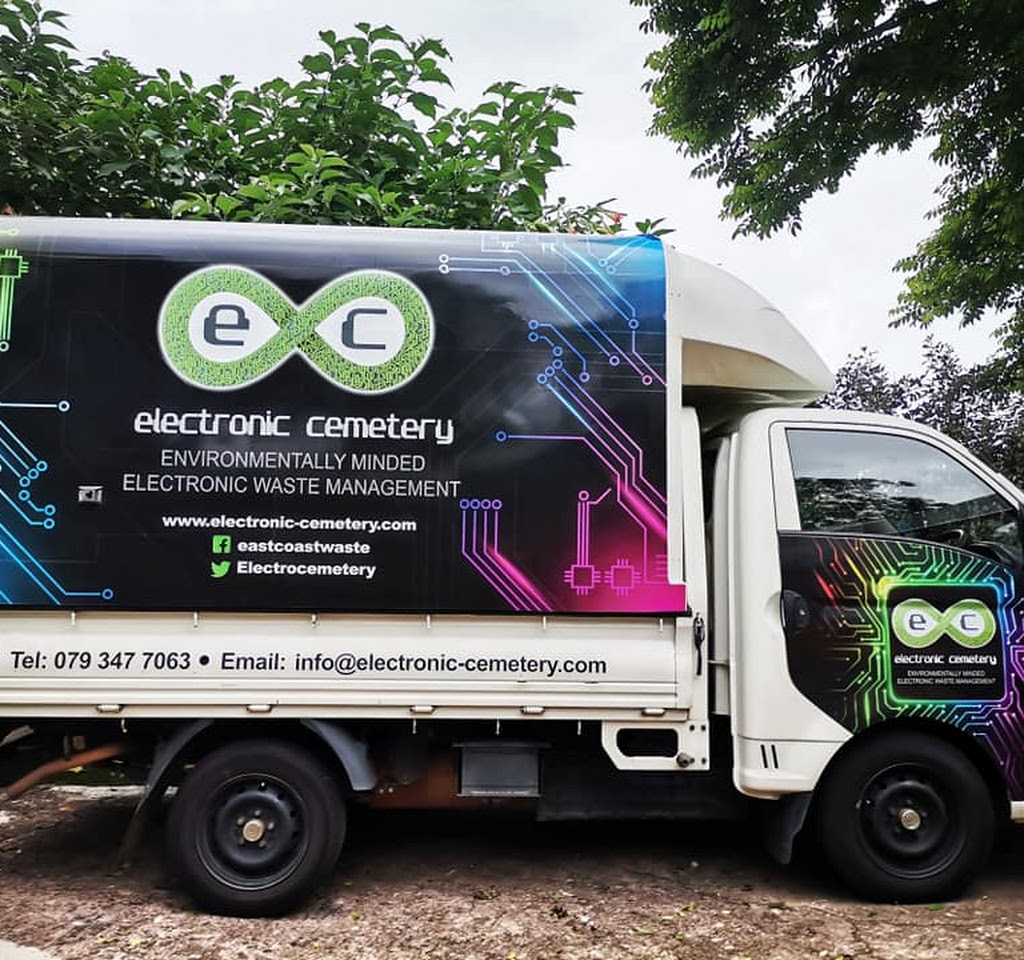
Electronic Cemetery e-Waste Management is a Waste management service establishment in Durban, KwaZulu-Natal, South Africa
Durban
KwaZulu-Natal
Hillcrest, Durban
South Africa

Sorry, no records were found. Please adjust your search criteria and try again.
Sorry, unable to load the Maps API.
Waste management services in Durban, KwaZulu-Natal: a practical overview
In Durban, KwaZulu-Natal, waste management services encompass a broad range of offerings designed to manage the daily rubbish load of households, small businesses, and larger enterprises. These services are typically delivered by local councils, private waste management firms, and specialised contractors who operate within the regulatory framework of South Africa’s environmental laws. The aim is to collect, transport, treat, recycle where possible, and responsibly dispose of waste while minimising environmental impact.
A typical waste management portfolio in Durban includes several core service areas. Households commonly rely on scheduled refuse collection for general waste, with additional provisions for garden waste, bulky items, and recycling collections. For commercial clients, services expand to regular a commercial waste collection cadence, waste bin management, and the provision of larger skips or compactors for business premises, warehouses, and construction sites. Rural or peri-urban areas may require tailored routes or on-demand collection arrangements, reflecting local geography and population density.
Durban’s waste management offerings often extend beyond basic collection to include recycling and recovery programmes. These can cover sorting and processing of recyclables such as paper, cans, glass, plastics, and metals, sometimes integrated with community waste recovery schemes or drop-off facilities. Organic waste management, including composting or
biogas initiatives, is increasingly emphasised for restaurants, markets, and urban gardens where food waste is substantial. In addition, there are services specialised for construction and demolition projects, which handle inert waste, concrete rubble, timber, and metals, with appropriate disposal at licensed facilities or recycling streams.
Waste handling also covers more specialised streams. Hazardous waste management addresses materials such as chemicals, solvents, paints, batteries, and electronic waste, ensuring proper containment, transport, and treatment in compliance with safety and environmental regulations. E-waste faced in urban centres benefits from collection programmes and accredited processors that can extract valuable components while minimising pollution risks. Where practical, waste management providers offer on-site assessments, pre-sorting guidance, and tailored waste plans to minimise contamination and improve diversion rates.
Customers can expect a straightforward workflow, from initial assessment to ongoing service delivery. This often begins with a site visit or discussion to determine waste streams, volumes, and regulatory obligations. A waste management partner will then propose a collection schedule, appropriate containers, and any required permits or documentation. Regular collections are conducted by trained crews equipped with the necessary PPE and equipment, followed by transport to licensed facilities for treatment, recycling, energy recovery, or disposal. On completion, customers receive documentation for compliance and reporting purposes.
Practical considerations for Durban clients include the variable climate and traffic conditions affecting collection times, the need for secure storage of waste to deter illegal dumping, and the importance of compliant waste segregation to optimise recycling solutions. Local regulations emphasise proper classification of waste, the integrity of containers, and adherence to authorisation standards for transport and disposal. Businesses should be aware of potential penalties for improper disposal or misclassification and consider waste audits to identify opportunities for reduction, reuse, and better recovery rates.
In summary, waste management services in Durban are designed to handle a wide spectrum of waste types with attention to safety, regulatory compliance, and environmental responsibility. For residents and enterprises alike, the focus remains on reliable collection, responsible processing, and practical steps to minimise waste generation while supporting local recycling and waste recovery initiatives.