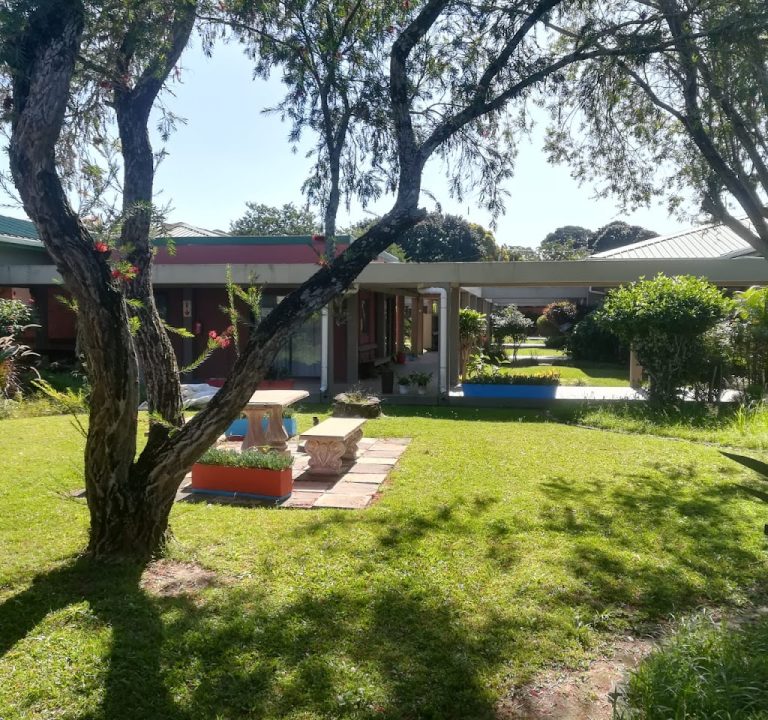
Elvira Road Aftercare & Homework Centre is a After school program establishment in Durban, KwaZulu-Natal, South Africa
Durban
KwaZulu-Natal
4001
South Africa
Sorry, no records were found. Please adjust your search criteria and try again.
Sorry, unable to load the Maps API.
After school programme services in Durban, KwaZulu-Natal
In Durban, KwaZulu-Natal, after school programmes are designed to extend learning beyond the classroom while providing safe, structured spaces for children and young people. These programmes typically operate in community centres, schools, places of worship, and dedicated youth facilities, offering a blend of academic support, enrichment activities and practical life-skills development. They are often tailored to a diverse urban and suburban population, reflecting the cultural richness and varied needs of the region.
A core component of many Durban after school offerings is homework support and tutoring. Trained staff or volunteers assist with core subjects such as mathematics, science, languages, and social studies, aiming to reinforce concepts learned during the school day and to help pupils develop effective study habits. In addition, some programmes provide preparatory work for exams and assessment practice, along with guidance on time management and organisation. While the specifics may vary, the emphasis remains on creating a supportive learning routine that can improve literacy, numeracy and critical thinking skills.
Beyond academics, a wide range of enrichment activities characterises these services. Sport and physical activity, including ball games, athletics, athletics coaching, and non-competitive fitness sessions, help promote health and teamwork. Arts and crafts, music, drama, dance, and media production offer creative outlets and opportunities for self-expression. Language development, including isiZulu, English, and other local languages, is sometimes integrated into after school programming to support multilingual learners and enhance cultural appreciation. STEM-themed activities, such as coding clubs, robotics, and hands-on experiments, are increasingly common as part of broader skills development.
Practical considerations shape the experience for families in Durban. Transportation arrangements may be available or required, with some programmes offering pick-up from partner schools or designated drop-off points. Timings are commonly aligned with school bells and work schedules, with sessions typically running from the late afternoon into early evening. Nutritional support is another frequently emphasised feature, ranging from a light healthy snack to a prepared meal, reflecting policies to address food security and encourage regular attendance.
Safety and safeguarding are priorities in Durban’s after school settings. Reliable supervision, clear attendance records, and secure facilities contribute to a sense of wellbeing for both learners and guardians. Staff qualifications vary, but many programmes employ individuals with experience in education, youth work, or child care, alongside volunteers who support tutoring and activity delivery. Partnerships with local schools, community organisations and faith groups are common, helping to align after school services with local needs and to extend access to a broader network of support.
Families evaluating programmes in Durban may consider several practical aspects. Location and accessibility are important for consistent attendance, as are cost and funding arrangements. Some providers offer sliding scales, scholarships, or charity-based assistance to help families manage fees. Clear information about programme duration, holiday schedules, and drop-in options assists parents in planning around work commitments. Additionally, transparency regarding safety policies, emergency procedures, and the handling of medical or special educational needs helps build trust with caregivers.
In summary, Durban’s after school programme services combine academic reinforcement with diverse enrichment opportunities, framed by attention to safety and accessibility. They function as community-based solutions that support learners’ development, promote positive routines, and contribute to social inclusion within KwaZulu-Natal’s vibrant urban landscape.