no-image
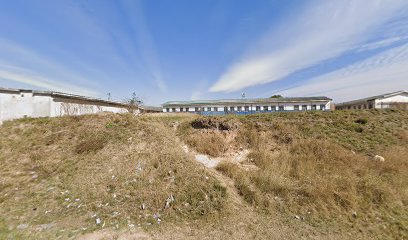
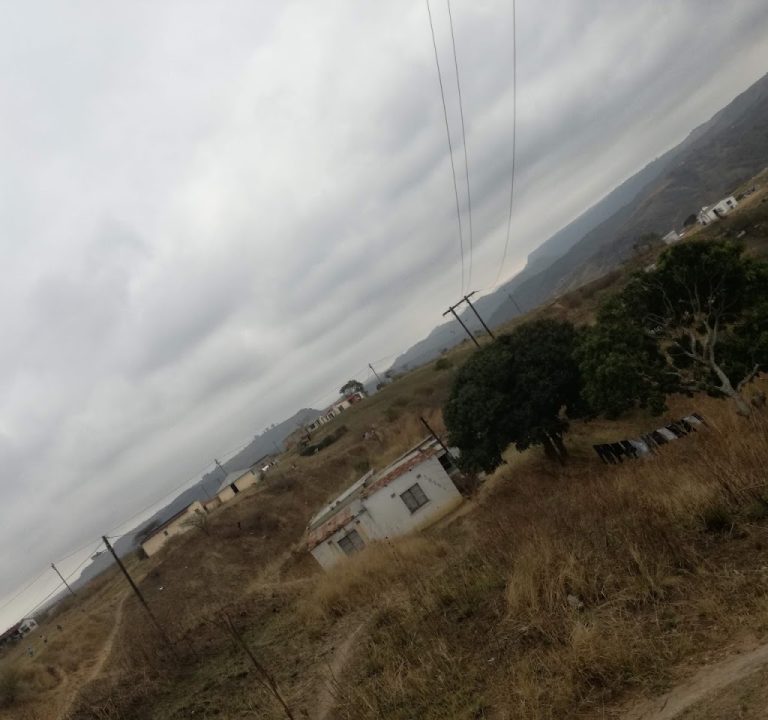
ESIPHUKWINI JUNIOR PRIMARY SCHOOL is a Primary school establishment in Cele, Kwa-Zulu Natal, South Africa
Cele
Kwa-Zulu Natal
4142
South Africa

no-image
Sorry, no records were found. Please adjust your search criteria and try again.
Sorry, unable to load the Maps API.
Primary school services in Cele, Kwa-Zulu Natal, South Africa
In Cele, Kwa-Zulu Natal, primary education is centred on delivering a broad, foundational curriculum designed to nurture literacy, numeracy and general knowledge for children aged roughly six to thirteen. Schools in this area commonly align with national curriculum frameworks, incorporating language development, mathematics, science, social studies, arts and physical education. The environment tends to emphasise practical learning alongside formal classroom instruction, with an aim to build confidence, discipline and a love of learning in young pupils.
Typical day-to-day offerings include well-structured timetables that balance core academics with developing physical health and social skills. Classrooms are accompanied by basic resources, teaching aids and access to libraries or reading corners. In many schools, teachers assess progress through regular formal tests and informal observations, providing feedback that supports individual growth while maintaining a sense of achievement for the learner. The emphasis is on steady progression through the grades, with appropriate challenges that suit varied abilities and learning styles.
Across Cele, it is common to see a range of support services designed to assist learners. These may include additional language support for learners acquiring English as an additional language, and targeted interventions for learners who need extra practice in reading and numeracy. Practical sessions in science, technology, and environmental studies often feature hands-on activities, helping children connect theoretical concepts with real-world experiences within the local context.
Beyond academics, primary schools frequently offer a selection of extra-curricular activities and programmes that enrich the school day. Sport, music, arts and crafts, and cultural activities are valued for fostering teamwork, discipline and creativity. Many schools also provide safe space for drama, dance or choir groups, contributing to a balanced education that recognises different talents. Extracurricular participation is typically voluntary, with schedules designed to be compatible with family needs and transport arrangements.
Practical considerations influence how families engage with primary schooling in Cele. Transport options, such as school buses or approved transport routes, are commonly organised or advised by schools and local communities. Uniform policies are typical, with clear expectations around dress and grooming. Meals and snacks may be provided or offered through school feeding schemes or tuck facilities, with attention to nutrition and energy levels for a busy school day.
Another important aspect is safety and school climate. Schools in this region prioritise secure access, orderly conduct and safeguarding procedures to protect learners on site. Communication with parents is usually through notices, meetings and authorised channels, keeping caregivers informed about attendance, academic progress and events. The admissions process generally involves eligibility checks, placement decisions and the completion of essential documentation, with timelines that reflect local school calendars and district guidelines.
When considering primary education in Cele, it is useful to understand the practicalities of daily life. The climate in Kwa-Zulu Natal shapes outdoor activities, with schools often scheduling physical education and outdoor learning during temperate parts of the year. Community involvement and partnerships with local organisations can enhance learning experiences, offering learners broader exposure to local history, culture and service opportunities. While individual schools may differ in detail, the overarching framework tends to provide a structured yet flexible environment that supports early academic achievement while caring for the holistic development of each child.
- Core subjects and progression through grades
- Support services for literacy and numeracy
- Extra-curricular and sports programmes
- Transport arrangements and safety considerations
- Uniforms, meals and parental communication