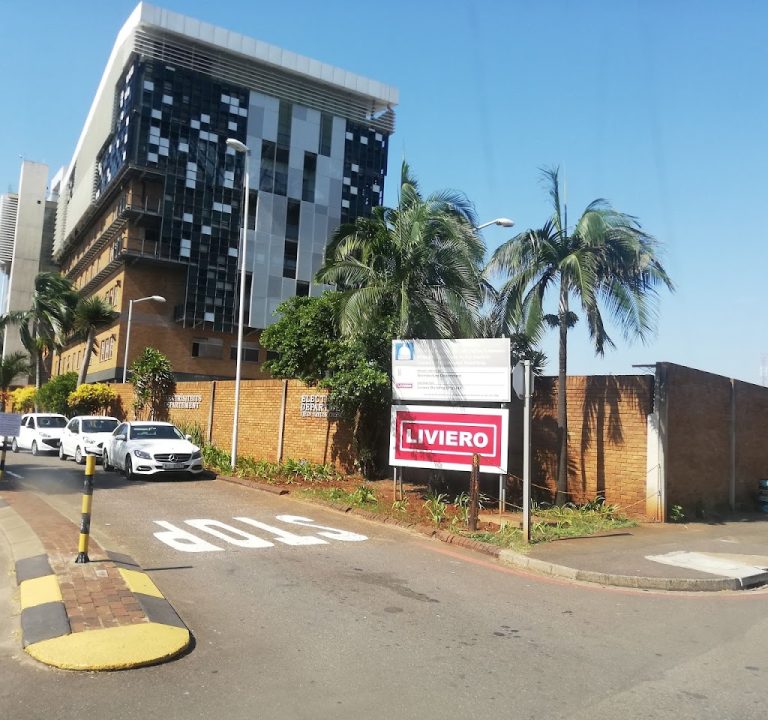
ETHEKWINI / FIRE & EMERGENCY SERVICES is a Fire station establishment in Durban, KwaZulu-Natal, South Africa
Durban
KwaZulu-Natal
4001
South Africa
Sorry, no records were found. Please adjust your search criteria and try again.
Sorry, unable to load the Maps API.
Fire station services in Durban, KwaZulu-Natal
Durban, a major metropolitan centre along the KwaZulu-Natal coastline, relies on a structured fire and rescue service to respond to a diverse range of emergencies. Fire station operations in this region balance urban demands with coastal considerations, integrating rapid emergency response with preventative safety measures to protect residents, workers, and visitors.
Emergency response and fire suppression form the core of the services provided. Fire brigades are equipped to tackle structural fires, vehicle incidents, and outdoor blazes across residential, commercial, industrial, and informal settlements. Response times are influenced by traffic conditions, population density, and the layout of neighbourhoods, with rapid dispatch systems aimed at directing crews to the scene as quickly as possible. Fire fighters coordinate with weather and environmental conditions, as Durban’s humid subtropical climate can contribute to the progression of certain fires and influence suppression tactics.
Rescue and technical services are another key component. Across Durban, fire stations commonly handle rescue operations that may involve people trapped in vehicles, collapsed structures, or other hazardous situations. Technical rescue capabilities can extend to water rescues, confined spaces, high-angle or urban search and rescue, and assisting in hazardous environments. Training exercises are typically conducted to maintain readiness for these specialised scenarios, ensuring crews can apply appropriate techniques with safety as a priority.
Medical first response and patient care are often integrated into the broader emergency medical framework. In many cases, fire services collaborate with emergency medical services to provide initial medical assessment, basic life support, and patient stabilisation at the scene, with transport to hospital if needed. This collaboration emphasises the importance of swift scene safety, triage, and careful hand‑over to clinical teams.
Prevention, education, and fire safety compliance constitute substantial ongoing work between incidents. Fire stations in Durban typically engage in community outreach aimed at reducing risk, such as public fire safety talks, school visits, and guidance on home and workplace fire protection. Fire prevention officers may conduct risk assessments, inspect premises for compliance with fire safety regulations, and offer recommendations for safer layouts, egress routes, and appropriate firefighting equipment. Regular inspections and enforcement activities help identify hazards before they lead to emergencies.
Training and public confidence form important elements of Durban’s fire services. Ongoing skills development covers fire suppression, rescue operations, hazardous materials awareness, and incident command practices. Training environments emphasise teamwork, communication, and strategic planning to manage large incidents or multi‑agency responses effectively. Community safety campaigns reinforce best practices for smoke alarms, fire drills, and safe evacuation procedures.
Practical considerations for building owners, tenants, and residents include access, water supply, and strategic positioning. Urban areas benefit from clearly marked hydrants and reliable water sources, while coastal zones may face unique challenges such as high winds and salt‑laden environments that can affect equipment longevity. Adequate access routes for fire appliances, clear building plans, and up‑to‑date fire safety information support efficient response and incident management.
Overall, Durban’s fire station services aim to deliver timely emergency response, proficient rescue capabilities, and proactive prevention work. The combination of trained personnel, coordinated incident management, and community engagement seeks to enhance public safety across the metropolitan area and its surrounding communities.