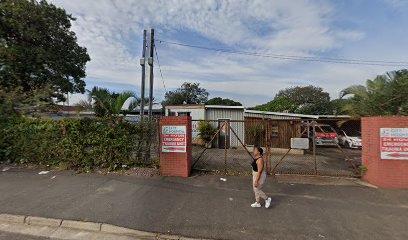
eThekwini / Fire & Emergency Services is a Fire station establishment in Durban, KwaZulu-Natal, South Africa
Durban
KwaZulu-Natal
4001
South Africa
Sorry, no records were found. Please adjust your search criteria and try again.
Sorry, unable to load the Maps API.
Fire Station Services in Durban, KwaZulu-Natal
Durban’s fire stations operate as a core element of public safety within KwaZulu-Natal, delivering a range of services designed to protect lives, property and the environment. The emphasis is on rapid response to emergencies, preventive measures, and community engagement that supports safer neighbourhoods. Fire services in the city are typically organised to cover both urban and coastal areas, with attention to the unique challenges posed by Durban’s climate, traffic conditions and densely populated precincts.
Emergency response is the primary function, with fire brigades prepared to tackle structural fires, vehicle incidents, and wildland or grass fires that may occur during dry periods. When alarms are sounded, crews mobilise to attach to a dispatch system, travel to the scene with appropriate apparatus, and establish incident command on arrival. Firefighters coordinate with other emergency responders as necessary, including paramedics and police, to stabilise the scene and protect bystanders and residents. Response times are influenced by factors such as traffic, accessibility, and the location of the nearest fire station relative to the incident, as well as weather conditions that can affect navigation and visibility.
Beyond firefighting, Durban fire services provide a variety of prevention and safety activities. Routine inspections of commercial premises, high-occupancy buildings, schools and public venues aim to identify potential hazards before an incident occurs. Fire prevention includes electrical safety checks, safe storage guidance for flammables, proper fire exit routes, and the maintenance of fire suppression systems. When deficiencies are found, authorities typically advise on remedial steps and follow up with re-inspections to verify compliance.
Public education is another important pillar of service. Outreach programmes explain basic fire safety practices, such as the safe use of candles, cookery safety, and the importance of keeping escape routes clear. In coastal and flood-prone districts, advice on flood readiness and sheltering procedures may form part of community-focused activities, as well as guidance on wildfire awareness during dry seasons.
Operational readiness is supported by the maintenance of rescue equipment, fire engines, ladders, breathing apparatus, and communication systems. Crews regularly train to stay prepared for a variety of scenarios, including hazardous materials incidents, rescues from vehicles or elevated locations, and multi-agency responses to larger emergencies. Precision in incident reporting and after-action reviews contributes to continual improvement in tactics and safety protocols.
Practical considerations for residents and business operators in Durban include understanding where local fire stations are located and how to access their services in an emergency. Building owners can benefit from familiarising themselves with local fire safety regulations, ensuring compliance with occupancy limits, and keeping emergency signage and extinguishing equipment up to date. In busy commercial zones, clear ingress and egress routes can facilitate quicker access for firefighting units. For communities near the coast or flood-prone areas, planning for weather-related contingencies can help minimise risks and expedite assistance when needed.
When engaging with fire services in Durban, expectations typically centre on reliable response to emergencies, professional incident management, proactive prevention measures, and informative public guidance. While exact procedures may vary between stations and over time, the overarching objective remains the same: to safeguard lives and property by combining swift action with practical prevention and constructive community collaboration.