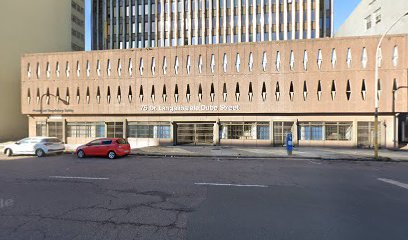
eThekwini Municipality – Land Transaction is a Government office establishment in Durban, KwaZulu-Natal, South Africa
Durban
KwaZulu-Natal
4001
South Africa
Sorry, no records were found. Please adjust your search criteria and try again.
Sorry, unable to load the Maps API.
Government office services in Durban, KwaZulu-Natal: an overview
In Durban, KwaZulu-Natal, government offices provide a broad range of essential services to residents and organisations. These services typically cover civil documentation, regulatory compliance, social support, and municipal administration. The offices operate within a network that includes national departments, provincial authorities and local municipalities, all aimed at delivering public services with a focus on accessibility and efficiency.
Key services commonly available include the processing of identity documents and citizenship papers, birth and death registrations, and the renewal or issuance of travel documents and licences. Applicants may also access services related to vehicle registration and driving licences, taxation and revenue collection, and social grant administration. In addition, there are services linked to housing, land and urban planning, business registration and permit applications, as well as environmental and public health compliance. For municipal audiences, civil registration, local by-laws, waste management, water and electricity enquiries, and rates information are frequently handled at local offices.
Visitors can expect a structured workflow designed to verify eligibility, confirm identity, and track the status of a request. In many offices, applications must be completed on standard forms, supported by identification, proof of address, and, in some cases, supporting documents such as birth certificates or marriage certificates. The process often includes a secure payment step for fees and government levies, followed by an acknowledgement or reference number to monitor progress. Some services also offer provisional documents or temporary authorisations while formal documents are being finalised.
Durban’s government offices are typically located in central administration precincts, regional offices and municipal campuses. Proximity to public transport and accessible parking are important considerations for service users, and some locations provide dedicated waiting areas, queues managed by staff, and clear signage to help visitors navigate the building. Security procedures are standard in most offices, with bag checks and ID verification common during entry. In peak periods, queues may be lengthy, and appointments or pre-booked services can help streamline visits. It is advisable to check the latest operating hours and required documentation before travelling, as these can vary by department and service type.
Practical considerations for customers include bringing multiple forms of identification, supporting documentation where applicable, and proof of address. Some services require prior online registration or appointment booking, while others operate on a walk-in basis. Payments are usually processed via EFT, card, or in some instances cash, subject to the local office’s facilities and approved payment methods. Receipt of a reference number is typical and essential for tracking progress or scheduling follow-up visits. For sensitive processes, such as passport or birth registration, individuals may be instructed to attend with a parent or legal guardian, where applicable, or to provide consent where required by law.
From an observers’ perspective, Durban’s government office ecosystem reflects a broad commitment to public accessibility and governance. Clients should expect clear guidance, either through on-site information desks or official websites, detailing which documents are necessary, the steps involved, and the expected turnaround times. While the specifics can vary by department and service, the overarching aim remains the same: to offer reliable, government-backed administration that supports citizens’ daily needs, from identification and personal records to licensing, housing, taxation, and social support.
Overall, individuals and organisations planning to engage with government offices in Durban should prepare in advance, confirm requirements, and allow for potential waiting times. By approaching the process with organised documentation and an understanding of the local administrative framework, applicants can navigate the system more smoothly and access the essential services that underpin civic life in KwaZulu-Natal.