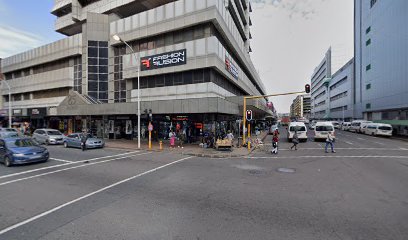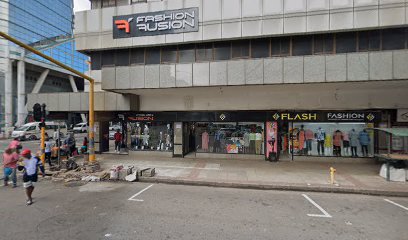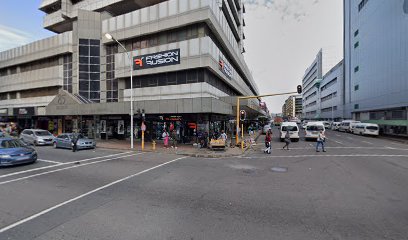
Eyabantu Safety & Security Academy is a Security guard service establishment in Durban, KwaZulu-Natal, South Africa
Eyabantu Safety & Security Academy – Durban security guard services and training overview
Eyabantu Safety & Security Academy operates from bases in Durban and Richards Bay, serving organisations across KwaZulu-Natal with a focus on skills development within the safety and security sector. Established in 2005, the organisation presents itself as a Provider of training and development for the private security industry, alongside broader alignment with sector education and regulatory bodies. The academy emphasises practical skills training linked to theory, in line with national objectives surrounding skills development and recognised industry standards.
The core offering centres on Training and Development for security professionals. The website frames training as a means to improve productivity, staff morale and service quality, with claims that well-trained personnel contribute to improved customer service, efficiency and turnover for client organisations. The training pages outline a broad approach to upskilling, including customised programmes and consultancy designed to strengthen various facets of security operations and related management capabilities. The emphasis is on enabling security personnel to perform competently within the framework of South Africa’s private security and policing landscape, as regulated through SASSETA and PSIRA.
Key services described include:
- Training and development programmes for security personnel, with emphasis on practical skills aligned to industry needs.
- Customised training options and consultancy to address specific client requirements within the security and safety sector.
- Access to sector-specific accreditation pathways and alignment with SASSETA and PSIRA frameworks.
- Employment management resources, including an online employment record database to connect security officers with potential roles, aimed at reducing the administrative burden of staff placement for organisations.
Typical job types and industries referenced in relation to the sector include policing, private security operations, and broader safety and security functions that sit within the SASSETA framework. The site positions Eyabantu as a recognised education and training provider within Durban and Richards Bay, supported by its registrations with the Private Security Industry Regulatory Authority (PSIRA) and SASSETA, as well as local business networks such as the Durban Chamber of Commerce and SAPS reference points.
Requests for information or enrolment typically flow through the site’s contact pathways. The homepage and training pages direct visitors to the contact section for enquiries, with a contact form available to elicit details and arrange follow-up. Practical steps for prospective clients or trainees involve outlining training needs, selecting appropriate courses (including SASSETA and PSIRA offerings where relevant), and coordinating with Eyabantu for customised solutions or standard programmes.
Operational details and accessibility are conveyed through the address listings for Durban and Richards Bay, including a Durban office on Field Street and a Richards Bay address at the Taxi Centre. The site provides telephone numbers, a fax number and an email address for direct contact, alongside an online enquiry form. While explicit business hours are not published on the site, the physical locations indicate service access points within central Durban and the Richards Bay area, suggesting that visiting during daytime office hours would be typical for in-person consultations or admissions discussions.
Practical tips for potential customers include:
- Consider the SASSETA and PSIRA pathways when selecting programmes, as these frameworks underpin industry regulation and accreditation in the sector.
- Use the online enquiry form to clarify course availability, scheduling, and customised training options before committing to a programme.
- Leverage Eyabantu’s Employment Management resources if staff placement is a priority, to streamline the process of recruiting qualified security personnel.
- Verify whether training modules cover both theoretical foundations and practical on-site skills relevant to specific client needs and local regulatory requirements.
- When planning visits, identify Durban or Richards Bay locations that are most convenient for attendance and discuss any potential travel considerations with the administration team.
In summary, Eyabantu Safety & Security Academy presents itself as a Durban-based education and training provider focused on the security sector, with offerings spanning practical security training, customised programmes, and employment management tools, all aligned with SASSETA and PSIRA registration. The organisation underscores the value of skilled personnel for improved service quality and business performance, positioning itself as a resource for organisations seeking regulated training and staff development within KwaZulu-Natal.
Durban
KwaZulu-Natal
4001
South Africa
Sorry, no records were found. Please adjust your search criteria and try again.
Sorry, unable to load the Maps API.
Security Guard Services in Durban, KwaZulu-Natal
In Durban, KwaZulu-Natal, security guard services are designed to protect property, people, and assets across commercial, retail, industrial, and residential settings. The coastal city presents a mix of busy urban precincts, industrial parks, and developing business districts, which shapes how security patrols and guarding solutions are planned and delivered. The approach is practical and grounded in routine risk assessment, clear procedures, and responsive staffing that can adapt to Durban’s unique environment.
Typical offerings encompass a range of manned guarding, mobile patrols, and specialised services. Manned guarding involves trained security personnel stationed at entry points, gatehouses, or key internal locations to monitor activity, verify access, and deter unlawful behaviour. Mobile patrols provide a visible security presence by circulating the site on a scheduled or random basis, checking doors, lighting, alarms, and perimeter integrity. For larger sites, an integrated approach combines static guarding with mobile units to optimise coverage and response times.
Access control is a core component, ensuring that only authorised individuals can enter premises. This can involve on-site personnel, intercom systems, visitor management processes, and liaison with IT or facilities teams to maintain secure ingress and egress. In Durban, where sites may experience high footfall in retail districts or crowded industrial zones, protocols emphasise calm, clear communication and quick escalation in the event of incidents.
Event security is another important facet, particularly in Durban’s busy conference venues, stadiums, waterfront spaces, and nightlife areas. Security teams in these settings focus on crowd management, safeguarding performers and attendees, and coordinating with local authorities when required. For venues hosting large gatherings, contingency planning, risk assessment, and trained response to emergencies are integral to operation.
Beyond on-site guarding, many providers offer alarm response and monitoring support. This may include rapid arrival at a property when an alarm is triggered, coordination with neighbouring sites, and follow-up checks to confirm the situation and restore security measures. In Durban’s climate and urban layout, response times, communication networks, and access arrangements are important determinants of effectiveness.
Electronic security enhancements frequently accompany physical guarding. Although this article refrains from naming specific platforms, clients may encounter a blend of cameras, perimeter sensors, and monitoring interfaces that work in concert with human staff. Integrated systems support incident reporting, evidence collection, and continuous improvement of security plans, while remaining compliant with local regulations and privacy considerations.
Operational considerations play a significant role in Durban. Weather conditions, traffic patterns, and dense urban areas can affect patrol schedules and response strategies. Security providers typically tailor services to the site type, whether it be a shopping centre, warehouse park, residential complex, or office campus, ensuring staffing levels align with risk, hours of operation, and customer expectations. Clear communication channels, professional conduct, and visible, well-equipped guards contribute to a perception of safety that benefits day-to-day business activities.
Clients can expect a straightforward engagement process that involves a site assessment, the development of a security plan, staffing allocations, and regular performance reporting. Training should cover essential skills such as conflict de‑ escalation, customer service, report writing, and emergency procedures. Compliance with local licensing and regulatory requirements remains a consideration, with the emphasis on reliability, accountability, and a proactive stance toward prevention and incident handling.
Overall, security guard services in Durban are characterised by adaptable guarding solutions, a practical emphasis on risk management, and a commitment to maintaining safe, orderly environments across commercial, residential, and industrial sectors. Prospective clients are advised to consider site specifics, desired response times, and the importance of a collaborative approach with security personnel to achieve enduring peace of mind.