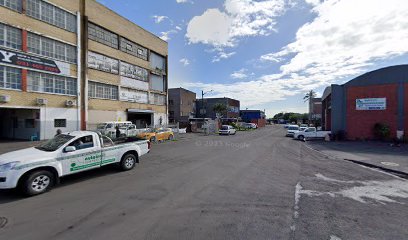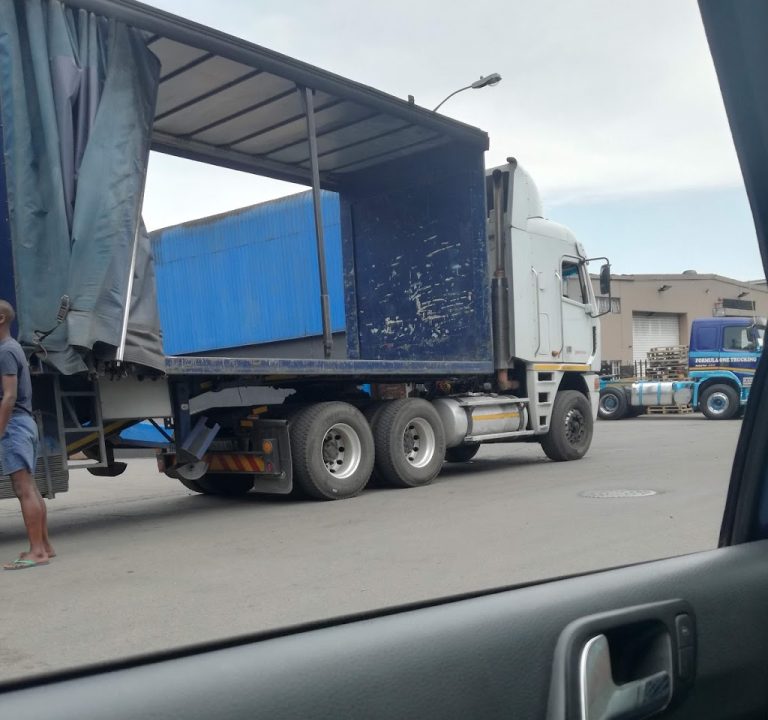
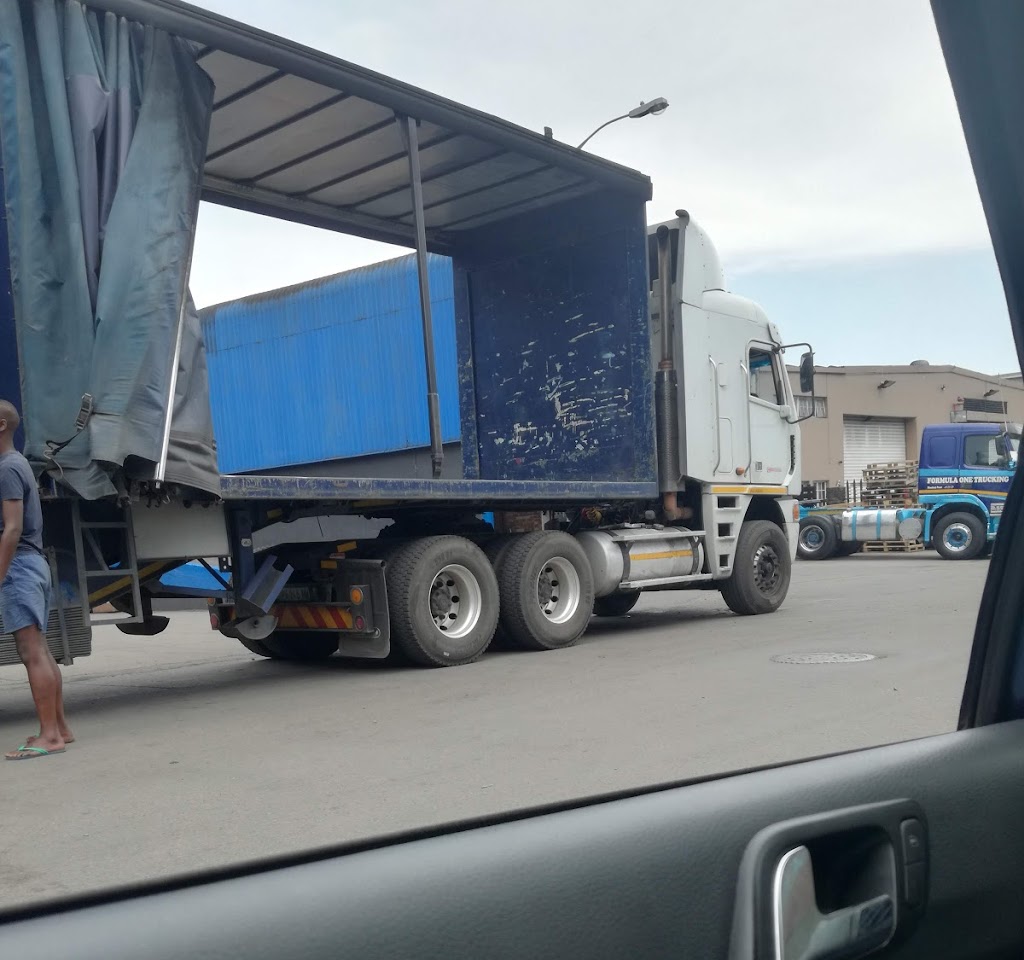
Formula One Trucking And Warehouse Pty Ltd is a Warehouse establishment in Durban, KwaZulu-Natal, South Africa
Durban
KwaZulu-Natal
4052
South Africa
Sorry, no records were found. Please adjust your search criteria and try again.
Sorry, unable to load the Maps API.
Warehouse services in Durban, KwaZulu-Natal
Durban, situated on the eastern coast of South Africa, combines a busy port, strong road networks, and a growing logistics sector. Warehouse services in this region are designed to support a diverse range of activities, from import and export logistics to domestic storage for manufacturing and retail supply chains. The typical offerings emphasise reliable storage, efficient handling, and resilient operations tailored to both local demand and regional distribution.
A standard warehouse operation in Durban typically begins with receiving goods from suppliers or carriers. Goods are unloaded, checked against accompanying documentation, and scanned into an inventory system. Depending on the arrangement, items may be moved to long-term storage locations or placed on faster-access pick faces to expedite order fulfilment. Durable goods, perishables, and hazardous items each require appropriate handling protocols and space allocation to maintain safety and compliance.
Inventory management is a core function of Durban warehouses. Modern facilities often employ systems that track stock levels in real time, supporting accurate counting, batch tracing, and FIFO (first-in, first-out) or FEFO (first-expiry, first-out) methods where relevant. Stock takes are commonly scheduled to reconcile physical counts with system records, ensuring visibility for clients and reducing discrepancies. Where value-added services are needed, these facilities may offer kitting, assembly, or product modification to meet specific customer requirements.
Order processing and picking form the heart of warehouse activity. Orders are retrieved from stock, packed using appropriate packaging materials, and prepared for dispatch. Some operations prioritise speed for e-commerce orders, while others focus on accuracy and careful handling for bulk or palletised shipments. In Durban, cross-docking is utilised in certain networks to streamline flow by transferring incoming goods directly to outbound vehicles with minimal storage time, which can improve transit times for time-sensitive commodities.
Distribution and transportation services are closely linked to the region’s port infrastructure. Durban’s status as a major port city makes it a strategic hub for imports and exports, influencing warehousing layouts and staffing needs. Facilities commonly coordinate with trucking and freight forwarding partners to arrange local deliveries, regional distribution, or intermodal movements. Transit times can vary with peak periods, weather, and road conditions, so flexibility and reliable scheduling are valued by clients.
Security, safety, and compliance feature prominently in Durban warehousing. Facilities implement access controls, surveillance, and secure perimeter protections. Fire safety systems, climate controls, and orderly storage practices help mitigate risk to goods. Depending on the products stored, ambient or temperature-controlled environments may be available to accommodate perishables or sensitive items. Insurance considerations, regulatory compliance, and proper documentation for customs and any required product certifications are essential components of the service offering, although specific certifications are not universally required for all goods.
Practical considerations for customers include assessing factor such as location relative to suppliers, customers, and major transport routes, as well as the availability of value-added services and the scalability of space. Flexibility in handling seasonal surges, the reliability of carriers, and the accessibility of loading bays and hours of operation are also important. For businesses engaging Durban warehousing, clear service levels, transparent billing practices, and defined processes for inventory reconciliation, damage claims, and order holds contribute to smooth operations and predictable fulfilment.
Typical service components in Durban warehouses may include:
- Receiving, put-away, and inventory control
- Picking, packing, and dispatch
- Storage solutions for palletised and loose goods
- Temperature-controlled options where required
- Cross-docking and consolidation
- Kitting, light assembly, and value-added services
- Local distribution and last-mile coordination
- Security, fire safety, and regulatory compliance
- Insurance coordination and documentation support
In summary, warehouse services in Durban, KwaZulu-Natal, offer a practical mix of storage, handling, and distribution capabilities designed to support modern supply chains. The focus remains on efficient stock management, reliable throughput, and adaptable solutions that address the city’s strategic position and logistical dynamics.