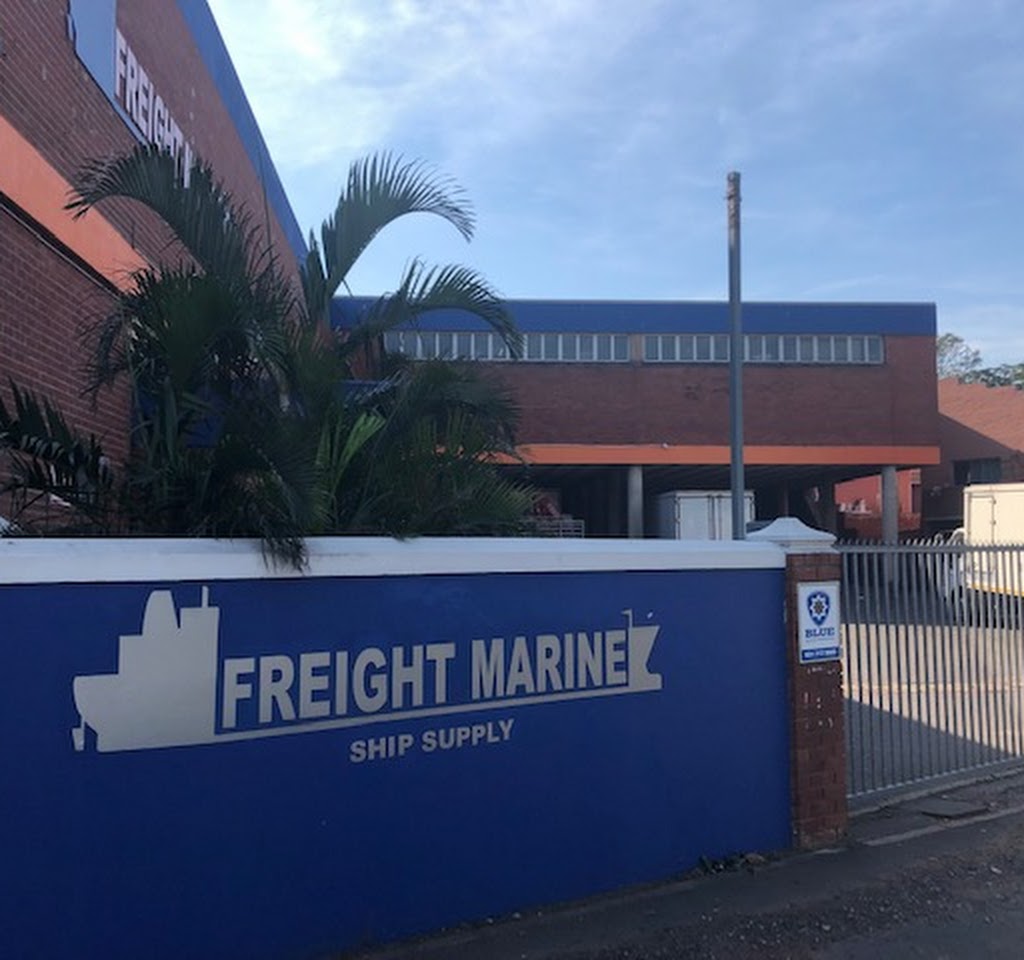
Freight Marine Ship Supply (Pty) Ltd is a Shipping service establishment in Durban, KwaZulu-Natal, South Africa
Freight Marine Ship Supply (Pty) Ltd — Shipping services and customer experience in Durban, KwaZulu-Natal
Freight Marine Ship Supply (Pty) Ltd operates as a leading ship chandler and ship supplier in South Africa, offering comprehensive provisioning and procurement solutions for vessels calling at South African ports. The company's broad service range encompasses Ship Stores, including Provisions, Bonded, Cabin, Deck and Engine Stores, as well as Maritime Procurement Services, positioning it as a full-spectrum partner for ship supply needs.
From its outset, the organisation emphasises a personalised approach delivered by experts. The service philosophy prioritises genuine customer engagement, aiming to connect with clients and provide an exceptional level of service on a first-time, every-time basis. This customer-centric stance is reflected across the business, from catering provisions to technical and bonded store requirements, with an emphasis on accuracy, reliability and value.
Geographically, Freight Marine operates around the South African coastline with direct port coverage in Durban, Richards Bay, Port Elizabeth, Cape Town and Saldanha Bay. The 24/7/365 operating model ensures round-the-clock support for vessels in port, signifying responsiveness to urgent provisioning and supply needs regardless of time or day. This continuous availability helps minimise downtime for ships and supports smooth turnaround in busy commercial port environments.
The company’s service scope is structured into several divisions, each supporting a different facet of ship supply and maritime procurement:
- Ship Stores and Provisions: provision and procurement of essential onboard consumables, groceries and catering supplies, tailored to vessel profiles and voyage requirements.
- Bonded Stores: handling of bonded items and compliance with regulatory storage and delivery procedures, ensuring secure and timely access to critical materials.
- Cabin, Deck and Engine Stores: a comprehensive range of equipment, spare parts and consumables necessary for routine maintenance and operation across shipboard departments.
- Maritime Procurement Services: strategic procurement support, helping clients source technical spares, approved components and supplier-led solutions to meet maintenance and renovation needs.
- Spares Handling and Specialised Marine Services: dedicated processes to manage spares logistics and provide specialised services that align with shipboard requirements and lifecycle management.
- Catering Division: provisioning focused on crew wellbeing, with a emphasis on quality and safety in onboard catering provisions.
Typical job types and port activity are shaped by the needs of vessels calling South African ports, including routine provisioning, emergency spares, bonded storage and regulatory-compliant supply of deck, engine and cabin stores. While specific project details are not disclosed, the company presents itself as a reliable partner capable of handling varied supply challenges across all major South African ports.
Requests and enquiries are managed through established channels that support the rapid mobilisation of goods and services. The organisation highlights its access to an expert advisory framework, which helps translate client requirements into actionable procurement plans, ensuring the correct stores and spares are delivered within required timeframes.
Practical tips for customers planning with Freight Marine include: clearly outlining vessel details (name, call sign, port of call), anticipated vessel length and draft, preferred delivery times, and a complete list of required stores or spares with quantities. Providing an ETA and port rotation can assist in aligning procurement schedules with ship movements. For bonded items, ensuring compliance documentation and regulatory requirements are prepared in advance will streamline sign-off and delivery processes. Early engagement with the dedicated maritime procurement team can help identify cost-effective options and optimise lead times.
Customer experience considerations highlighted by the business focus on excellence, reliability and competitive pricing. The company’s accreditation in industry networks, including memberships with.IMPA and related industry bodies, signals adherence to established standards in procurement and ship supply operations. This combination of 24/7 service, port coverage, extensive store categories and a commitment to personalised, expert assistance suggests a service model aimed at minimising disruption for vessel operations and enhancing voyage efficiency.
Overall, Freight Marine Ship Supply (Pty) Ltd presents as a robust shipping service partner for Durban and other South African ports, offering broad store categories, proactive procurement support, and continuous availability. For ships seeking dependable provisioning, bonded handling, technical spares and specialised marine services, the organisation positions itself as a well-connected, experienced option within the region’s maritime logistics landscape.
Durban
KwaZulu-Natal
4094
South Africa
Sorry, no records were found. Please adjust your search criteria and try again.
Sorry, unable to load the Maps API.
Shipping service options in Durban, KwaZulu-Natal
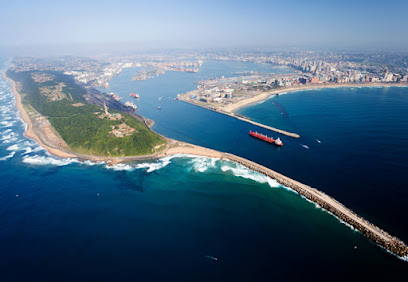
Durban, as South Africa’s busiest port city, offers a broad spectrum of shipping services designed to move goods efficiently to and from the interior and international destinations. The typical offerings encompass sea freight, air freight, road transport, and specialised handling, complemented by warehousing, packaging, customs support, and cargo insurance. These services are geared towards businesses of varying sizes, from importers and exporters to manufacturers seeking reliable logistics partners in KwaZulu-Natal.
Sea freight is commonly employed for bulky or heavy shipments, including pallets, containers of manufactured goods, and commodity products. Standard options include full container load (FCL) and less-than-container load (LCL), with Durban’s port infrastructure capable of handling bulk and breakbulk cargo. Air freight provides faster transit for time‑sensitive items, often used for electronics, perishable goods, or critical components. Road transport links Durban to inland centres across South Africa, enabling door-to-door deliveries or hub-and-spoke distribution models. Intermodal solutions, combining sea, air, and road movements, are frequently utilised to optimise transit times and costs.
Warehousing and distribution form a core component of shipping services in the region. Modern facilities offer palletised storage, stock management, order fulfilment, and cross-docking to support just-in-time logistics. Packaging services, including custom crating and shrink-wrapping, help protect cargo through multi-modal journeys. Handling equipment, skilled operatives, and safety protocols are standard features designed to minimise damage and loss during loading, transit, and unloading.
Customs clearance and compliance are essential considerations for shipments entering or leaving South Africa. Local providers typically assist with documentation such as commercial invoices, packing lists, bills of lading, and permits where required. When duties and taxes apply, these are calculated according to applicable tariff classifications and VAT rules. Insurance is often available as an add-on to cover loss or damage during transit, with terms reflecting the chosen level of coverage and the specific risks of the shipment.
Tracking and visibility are commonly offered to monitor progress from pickup to delivery. Real-time updates, estimated arrival times, and exception notifications help managers keep freight on schedule and plan downstream activities accordingly. Customer support channels are usually available to address queries about transit status, documentation requirements, or contingency planning in case of delays.
Practical considerations for shipping in Durban include understanding port congestion, weather interruptions, and regulatory requirements. The Port of Durban can experience peak-season pressure, which may affect departure and arrival schedules. It is prudent to build in buffer time for customs processing and inland transit, particularly for high-value or time-critical consignments. For exporters, knowledge of Incoterms clarifies responsibilities and costs between buyers and sellers, while for importers, local duties, levies, and compliance checks should be anticipated as part of the total landed cost.
- Assess cargo characteristics: size, weight, perishability, and handling needs.
- Choose appropriate mode and service level (FCL, LCL, air, road, intermodal).
- Prepare accurate documentation to avoid delays at customs.
- Consider insurance and ensure adequate coverage for the journey.
- Coordinate handover, storage, and final delivery with a reliable logistics partner.
Overall, customers in Durban can expect a broad array of shipping services designed to support domestic distribution and international trade. The working relationship typically revolves around a logistics partner who can provide end‑to‑end movement, from origin pick‑up and documentation through to final delivery, while offering guidance on compliance, timing, and risk management to keep goods moving smoothly through KwaZulu‑Natal’s trade corridors.