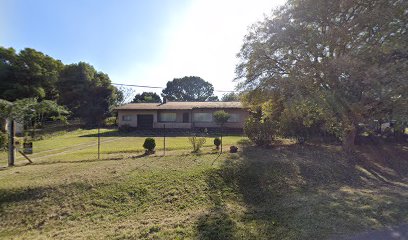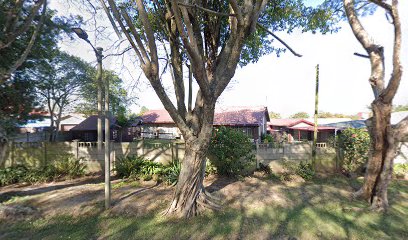
George Cato Primary School is a Primary school establishment in Cato Ridge, Kwa-Zulu Natal, South Africa
Cato Ridge
Kwa-Zulu Natal
Cato Ridge
South Africa


Sorry, no records were found. Please adjust your search criteria and try again.
Sorry, unable to load the Maps API.
Primary School Services in Cato Ridge, Kwa-Zulu Natal
Primary schools in Cato Ridge, Kwa-Zulu Natal, provide a spectrum of basic education services designed to support learners from early years through the foundation phase and into higher primary grades. Schools typically emphasise a structured daily routine, a broad core curriculum, and a supportive environment that fosters academic, social and physical development. The following overview summarises what parents and carers may expect when engaging with primary education in this region.
A typical school day begins with attendance and registration, followed by lessons in key subjects such as Literacy, Numeracy, Natural Sciences, Social Sciences, and Life Skills. Classes are frequently taught in small groups to accommodate varied learning needs and to allow for more individualised support. In addition to the standard curriculum, many schools integrate cultural studies, arts and crafts, music, and physical education to cultivate well-rounded learners. Language provisions often include English as the medium of instruction, with local language offerings aligned to community needs and resources.
School support services commonly include assessment and progression planning. Regular progress reports, parent-teacher consultations, and a focus on developmental milestones help track achievement and identify learners requiring additional assistance. Where possible, schools offer interventions such as reading programmes or mathematics support to bolster foundational skills. Guidance and counselling services may be available to help learners navigate social challenges, emotional development, and classroom transitions.
Practical arrangements form a significant part of primary education in this area. Uniform policies, stationery lists, and safe, well-maintained facilities are typically expected. Schools in Cato Ridge often emphasise safety and supervision, with designated play areas and supervised breaks to promote positive social interaction. Daily transport arrangements vary; some families rely on school buses or community transport, while others use private arrangements, especially in more rural or dispersed settlements surrounding Cato Ridge.
After-school provision is a common feature, offering supervised activities and enrichment opportunities beyond the standard timetable. These programmes may cover homework support, sports practice, artistic activities, and clubs such as environmental projects or language enrichment. The availability and scope of after-care can differ between schools and may depend on local resources and staffing.
Parents and guardians are encouraged to engage with the school community through official channels and formal or informal gatherings. Involvement often includes attending events, volunteering in classrooms, or participating in school governance where possible. Nutritional support and school meal programmes are sometimes offered, particularly where feeding schemes exist to support learners throughout the day. Where such schemes are available, participation is typically overseen by school management in collaboration with local health or welfare partners.
Infrastructure and facilities in Cato Ridge primary schools reflect local conditions and resource allocations. Classrooms are designed to be conducive to learning, with adequate lighting, ventilation and seating. Outdoor spaces support physical activity and play, and safety measures are usually in place to address traffic, supervision and secure fencing.
For families considering primary education in Cato Ridge, practical considerations include proximity to home, transport reliability, school catchment policies, and the availability of targeted support services. Prospective learners may benefit from visiting several schools to observe classroom environments, speak with staff about the curriculum and support options, and understand each institution’s approach to discipline, inclusivity and academic progression.