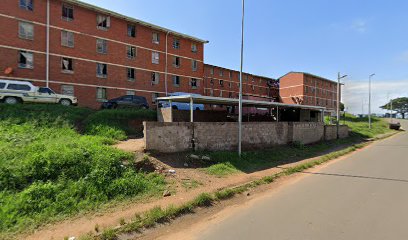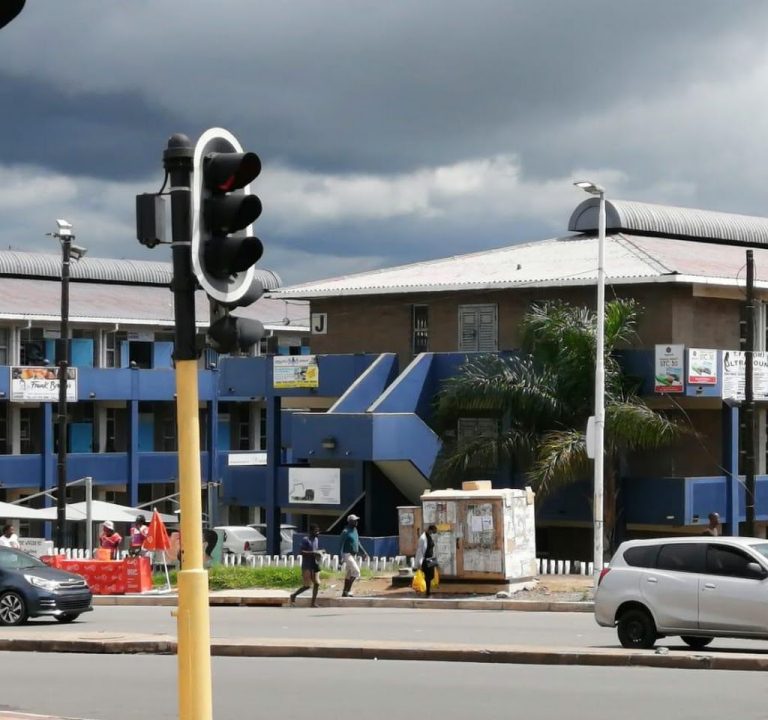
Glebe Community Hall is a Community center establishment in Durban, KwaZulu-Natal, South Africa
Durban
KwaZulu-Natal
Umlazi, Durban
South Africa


Sorry, no records were found. Please adjust your search criteria and try again.
Sorry, unable to load the Maps API.
Community centre services in Durban, KwaZulu-Natal
Community centres in Durban commonly function as local hubs offering a range of programmes designed to support residents across different age groups and needs. They often operate under municipal guidance or as part of non-profit networks, delivering accessible spaces where people can learn, meet, and participate in organised activities. The focus tends to be on practical assistance, creative enrichment, health and well-being, and social cohesion within diverse urban and peri-urban neighbourhoods along the KwaZulu-Natal coast.
For families and children, after-school programmes, homework clubs, and youth development initiatives are frequently available. These may include supervised study sessions, recreational sport, arts and crafts, and projects aimed at building confidence, leadership, and teamwork. Centres may also host holiday camps or short-term programmes during school breaks, offering constructive alternatives to boredom and idle time. Parents often value the safe environment that such facilities provide, particularly in busy city districts where access to structured supervision can be a priority.
Adults benefit from a broad spectrum of services, ranging from skills training and basic literacy workshops to job-search support and financial literacy sessions. Many centres partner with local organisations to provide information on internships, apprenticeships, and small-business development. Cultural programmes and language classes are common as well, reflecting Durban’s multilingual community and rich heritage. Community centres may also facilitate health and wellness activities, including fitness classes, nutrition advice, vaccination drives, and mental health information sessions, sometimes in collaboration with health services or non-profit partners.
Older residents typically access social clubs, day programmes, and needs-based outreach. These provisions help to counter isolation by offering regular social interaction, health monitoring, and opportunities to participate in traditional music, crafts, or gardening projects. Transportation arrangements or information about nearby transit options are often discussed, particularly for attendees who rely on public transport or assistance services.
When a user visits a Durban community centre, the experience is usually shaped by clear, practical elements. Booking or room-hire systems may exist for classes, workshops, or venue use, with flexible timetables designed to accommodate community demand. Access considerations commonly emphasise safety, with doors, lighting, and outdoor spaces maintained for reliable use during daylight hours and, where relevant, in evenings. Some centres provide accessibility adaptations for wheelchair users or individuals with mobility challenges, and staff or volunteers generally aim to communicate in multiple local languages to accommodate Durban’s diverse population.
A typical day at a Durban centre emphasises inclusivity and easy navigation. Information boards or reception desks guide visitors to appropriate programmes, while drop-in spaces encourage informal interaction between residents, volunteers, and service providers. Practical considerations include participating parents and guardians being informed about supervision policies, consent requirements for minors, and any necessary forms for programme enrolment. Centres often exercise a straightforward fee structure or subsidies for those in need, along with guidance about voluntary contributions where applicable. Where relevant, partnerships with schools, religious organisations, or civic groups help broaden outreach and ensure programmes remain responsive to community needs.
For those seeking specific services in Durban, it is common to find a mix of educational, recreational, health-related, and welfare-oriented activities all housed within a single facility or a coordinated cluster of centres across the municipality. The emphasis tends to be on practical support, community engagement, and accessible participation, with programmes evolving to reflect local priorities, seasonal activities, and the shifting needs of Durban’s residents.