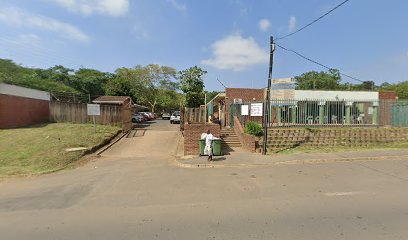
Glen Earle Clinic is a Hospital establishment in Durban, KwaZulu-Natal, South Africa
Durban
KwaZulu-Natal
4037
South Africa
Sorry, no records were found. Please adjust your search criteria and try again.
Sorry, unable to load the Maps API.
Hospital services in Durban, KwaZulu-Natal: an overview for patients and visitors
Durban, a major city on the east coast of South Africa, hosts a diverse range of hospital services that cater to both acute emergencies and routine healthcare needs. The spectrum of care typically includes emergency departments, inpatient wards, surgical theatres, diagnostic imaging, and specialised clinics. Across public and private institutions, the aim is to facilitate timely assessment, definitive treatment, and coordinated aftercare for residents and visitors alike.
Emergency care stands as a central component of hospital services in Durban. Accident and emergency departments are equipped to manage urgent conditions such as trauma, chest pain, strokes, severe infections, and other time‑critical illnesses. Patients are usually assessed rapidly on arrival, with triage determining the urgency of care. When necessary, rapid access to imaging, laboratory tests, specialised consultants, and intensive care is provided to stabilise and treat life‑threatening conditions. In non‑urgent situations, patients may be directed to walk‑in clinics or booked appointments in outpatient departments, depending on the urgency and hospital policy.
Inpatient services cover a broad array of medical and surgical needs. General medicine wards accommodate conditions ranging from respiratory or cardiovascular illnesses to infections and endocrine disorders. Surgical services span elective and emergency procedures across disciplines such as orthopaedics, obstetrics and gynaecology, general surgery, urology, and ENT. Post‑operative care, pain management, and rehabilitation are integral components of the inpatient pathway, with discharge planning often coordinating with community services and home care where appropriate.
Rehabilitation and recovery are supported by physical therapy, occupational therapy, speech therapy, and other allied health disciplines. These teams work with patients during hospital stays and in outpatient clinics to restore function after illness or surgery. For many conditions, a multidisciplinary approach—bringing together doctors, nurses, therapists, and social workers—helps to optimise outcomes and facilitate a patient‑centred recovery at home or in supported accommodation.
Diagnostic services form a cornerstone of hospital care in Durban. Diagnostic imaging, including X‑ray, ultrasound, CT, and MRI where available, assists in rapid assessment and treatment planning. Laboratory services underpin the management of infectious diseases, chronic conditions, and pre‑operative testing. Access to timely tests is frequently prioritised to reduce delays in diagnosis and to support effective clinical decision‑making.
Specialist clinics and services are a common feature in Durban’s hospitals. Cardiology, oncology, nephrology, endocrinology, neurology, and paediatrics are among the areas commonly represented in larger centres. In addition, obstetric and gynaecological services provide antenatal care, delivery, and postnatal support. For cancer care, patients may engage in multidisciplinary treatment planning that combines surgery, chemotherapy, targeted therapies, radiotherapy, and supportive care, depending on individual needs and local capabilities.
Practical considerations for patients and visitors include understanding referral pathways, appointment systems, and access arrangements. Public hospitals often operate under national or provincial health services frameworks, with prioritisation based on medical need and resource availability. Private facilities may offer shorter waiting times for certain services but typically require private health cover or out‑of‑pocket payments. Language and cultural sensitivity are important, and hospital staff commonly provide interpreting services or bilingual support to assist with communication.
Transport and accommodation logistics are practical factors, particularly for those travelling from outside Durban or KwaZulu‑Natal. Public transport, patient transport services, and proximity to accommodation can influence the convenience of accessing hospital care. It is advisable to confirm visiting hours, patient identification requirements, and any visitor restrictions before attending. Overall, hospital services in Durban aim to deliver comprehensive medical care across an integrated system that supports diagnosis, treatment, and follow‑up, while emphasising patient safety, dignity, and continuity of care.
In summary, Durban’s hospital landscape offers a broad range of services designed to address acute emergencies, routine medical needs, and complex specialist care. The experience of care reflects the city’s diverse population and the mixed public and private sector environment, with a focus on timely treatment, multidisciplinary collaboration, and clear pathways from admission through to discharge and recovery.