Gordon Road Girls’ School is a Primary school establishment in Berea, Kwa-Zulu Natal, South Africa
Gordon Road Girls’ School – Primary Education in Berea, Kwa-Zulu Natal
Gordon Road Girls’ School operates as a primary school situated in the Berea area of Kwa-Zulu Natal, South Africa. The site presents a contemporary campus that emphasises a holistic approach to early education, blending academic foundations with creative and technological experiences. From the information available, the school positions itself as a nurturing environment designed to support resilient, confident young learners who can navigate a rapidly evolving world.
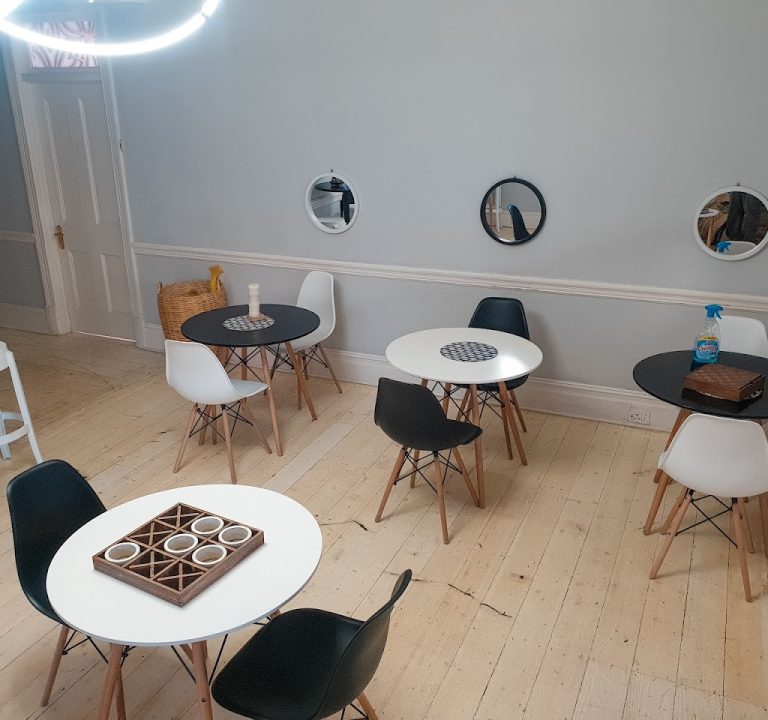
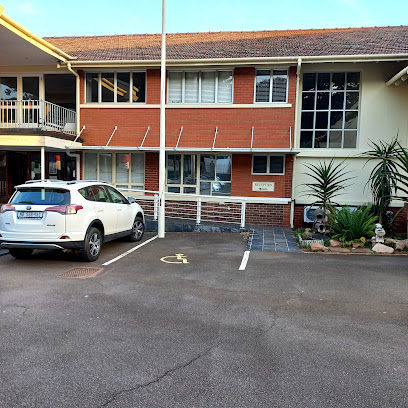
Facilities highlighted on the school’s online platform illustrate a focus on engaging and well-equipped spaces. The entrance is described as welcoming, setting a positive tone for visitors and pupils alike. Inside, the campus features junior primary classrooms that cater to early years and foundational learning, alongside an arts centre that suggests a commitment to creative development and performance opportunities. A dedicated ICT suite and immersive interactive technology indicate an emphasis on digital literacy and hands-on learning, helping pupils build essential skills for the modern workplace. The inclusion of 3D rendering in the site’s imagery implies an attention to visualisation and innovative teaching aids that can enhance understanding across subjects.
Beyond the physical spaces, the school highlights activity and communication through links to news and results, as well as video content. These elements suggest a transparent approach to sharing school life, achievements, and programmes with the broader community. The presence of items such as technology projects, interhouse activities, and cultural events (e.g., heritage day and orchestra collaborations) points to a curricular and co-curricular balance designed to foster well-rounded development. The references to interhouse hockey and house plays indicate opportunities for sport and performance, reinforcing a school culture that values teamwork, discipline, and student engagement.
In terms of the student experience, the site’s emphasis on a vibrant campus and varied facilities signals a learning environment where pupils are encouraged to explore, create and collaborate. The virtual tour and facilities section serve as indicative tools for prospective families to gauge the scope of resources available and to understand how the school might cater to different interests and strengths. While specific academic programmes, class sizes, or assessment policies are not itemised on the available pages, the combination of modern classrooms, arts and ICT resources, and visible activity in news and projects suggests a practical, experience-driven approach to primary education.
The school’s location in Berea places it within a community known for its accessibility and family-oriented suburbs, offering convenient routes for daily commutes and connections to surrounding towns. While exact travel times and transportation options are not detailed on the site, the listing of Berea as the serving area clarifies the primary catchment focus for prospective families residing in or near this Kwa-Zulu Natal region.
Typical interactions with the school, inferred from the online presence, appear to be digital-forward and transparent. The site’s media features, including a virtual tour and video content, provide a way for families to preview the environment and ethos before visiting in person. News updates and project showcases—such as technology initiatives, orchestral partnerships, and heritage celebrations—demonstrate a culture of communication and public sharing that can help families stay informed about pupil experiences and milestones.
- Main services offered: foundational primary education with an emphasis on literacy and numeracy, integrated arts programmes, information and communication technology (ICT) education, and opportunities for creative performance and sport.
- Typical activities and programmes: junior primary learning spaces, arts centre activities, ICT-based learning, interactive technology experiences, and participation in interhouse and cultural events.
- How requests or inquiries typically work: information is accessed via the school’s website, with supplementary details available through news posts, video content, and the virtual tour, enabling families to assess fit before arranging a visit.
Practical tips for prospective families include exploring the virtual tour and facilities gallery to gain an impression of the campus layout and resources, reviewing recent news for insight into current projects and events, and considering attendance or visit timings that align with school activities to observe learning in action. Although specific hours and contact methods are not itemised in the available content, informed planning can be aided by visiting the website’s multimedia sections and school news to understand ongoing programmes and events in the Berea community.
Berea
Kwa-Zulu Natal
4001
South Africa
Sorry, no records were found. Please adjust your search criteria and try again.
Sorry, unable to load the Maps API.
Primary school services in Berea, Kwa-Zulu Natal
Primary schools in Berea, Kwa-Zulu Natal, typically offer a broad range of services designed to support foundational learning and holistic development for children aged roughly six to eleven years. Schools in this urbanised area commonly emphasise core academic subjects alongside social, physical and creative development. The overarching aim is to provide a stable, nurturing environment where learners can build confidence, investigate ideas and develop practical skills that support lifelong learning.
A standard daily programme usually begins with a structured start to the day, often including attendance, a short assembly or welcome activity, followed by core lessons in literacy and numeracy. In the early years, emphasis is placed on language acquisition, phonics, reading readiness and writing, while later primary levels progressively integrate more complex mathematics, science and social studies. Many Berea schools also incorporate Afrikaans or isiZulu language elements, reflecting South Africa’s linguistic diversity. The curriculum typically aligns with national education standards and local education department frameworks, while allowing schools to adapt content to meet student needs and community context.
Beyond academics, primary schools commonly provide a range of extended services to support pupils and families. These may include:
- After-school care and enrichment programmes, offering supervised study, sport, arts, music or clubs.
- Nutritious meals or school-provided snacks, alongside guidance on healthy eating and daily routines.
- Physical education and organised sports to promote fitness, teamwork and motor skills.
- Arts and culture activities, such as visual arts, drama or music appreciation, that encourage creativity and self-expression.
- Inclusive education practices, with support for learners who require additional assistance or assessment adaptations.
- Guidance and counselling services to assist with personal development, emotions, and social interactions.
Practical considerations for families in Berea include transportation arrangements, which can vary between schools. Some institutions provide safe arrival and departure procedures, while others rely on parents and caregivers to arrange shifts or carpools. Uniform policies are common, with specific dress codes that may include school colours and practical, durable fabrics suitable for daily wear and physical activities. Term dates, school hours, and holiday patterns follow provincial schedules, but schools often publish calendars with additional events such as parent evenings, showcases, sports days and cultural celebrations.
Health and safety are integral to primary school operations. Many Berea schools implement straightforward health protocols, including routine hygiene practices, first-aid provisions and clear procedures for handling minor illnesses or injuries. In response to local conditions, some schools place emphasis on outdoor learning and garden projects, which can support environmental awareness and practical science understanding.
Parents and guardians should expect clear communication channels, such as regular progress reports, parent-teacher meetings and notices about school activities. Schools in Berea often encourage community engagement and vital partnerships with local organisations, which can enhance learning through guest visits, mentorship opportunities or community service projects.
In summary, primary school services in Berea aim to deliver a balanced education within a supportive environment. The focus is on building literacy and numeracy proficiency, fostering curiosity across subjects, and providing reliable after-school and pastoral support. Practical considerations emphasise accessibility, safety, routine, and a collaborative approach among educators, families and the wider community to support children’s academic and personal growth.