Grid Freedom Group is a Solar energy company establishment in Durban, KwaZulu-Natal, South Africa
Grid Freedom Group: Solar energy solutions for Durban and KwaZulu-Natal
Grid Freedom Group presents itself as a solar and energy solutions provider offering a range of services designed to reduce grid dependence and enhance power security. The company highlights its capability to deliver home and business solar installations alongside monitoring platforms and complementary energy services. The emphasis on flexible finance arrangements aims to make solar adoption more accessible by spreading costs over time and reducing or removing upfront payments.
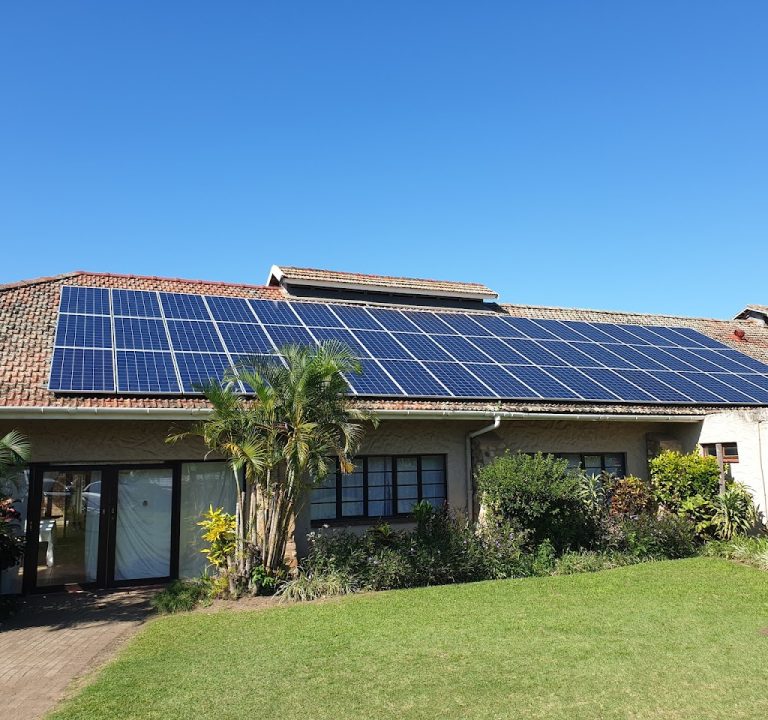
In residential settings, Grid Freedom Group promotes the prospect of achieving energy independence through solar systems paired with scalable financing. The service description notes the possibility of building a home solar installation in a phased approach, allowing customers to start with a smaller system and add capacity over time. The offering is presented as suitable for households seeking savings, reliability, and long-term energy resilience, supported by extensive warranties on the installed equipment.
For commercial clients, the company markets solar solutions intended to support ongoing business operations and profitability. The site mentions that daylight hours typically align with peak consumption, suggesting that a well-sized solar installation can yield a strong return on investment—potentially in as little as two years. Financial structures for businesses include power purchase agreements (PPAs), finance options, and tax incentives, alongside warranties and system maintenance as part of the package. The approach is positioned to assist enterprises in managing energy costs while maintaining operational continuity.
Monitoring and performance transparency are identified as a feature of Grid Freedom Group’s offering. The company notes compatibility with multiple monitoring platforms, including Victron, Sunsynk, Deye, Growatt, SMA, SolarEdge, Fronius, and Solis. This focus on visibility enables customers to track system production and performance in real time, supporting proactive maintenance and optimisation of solar assets.
Additional energy solutions referenced on the site include water harvesting and battery backup. These elements suggest a broader approach to energy resilience, combining solar generation with storage and water-saving practices where applicable. The company’s portfolio also points to a proven track record, citing a gallery of completed installations that demonstrates experience across different project types.
The customer experience, as conveyed through the site’s structure, centres on accessibility and flexibility. A free quote feature is highlighted, along with several finance options designed to accommodate varying budget sizes and payment preferences. The mention of asset finance and zero upfront costs underlines an intent to lower the barriers to entry for new solar adopters. For those seeking business continuity and throughput, the inclusion of maintenance and warranties provides a sense of ongoing support beyond the initial installation.
Location and service area context: Grid Freedom Group is positioned to serve clients in Durban and the broader KwaZulu-Natal region. The emphasis on residential and commercial deployments suggests capability across a spectrum of project scales, from single-family homes to multi-site business facilities. The stated monitoring and financing options are presented as standard components of the engagement, aimed at delivering a smooth and predictable project journey.
Practical tips for customers considering Grid Freedom Group services:
- Start with a free quote to understand system size and financing options tailored to budget and energy needs.
- Consider a phased installation if upfront capital is limited or if future expansion is anticipated.
- Assess financing options early, including PPAs and asset finance, to compare overall costs and payback periods.
- Leverage monitoring platforms post-installation to track performance and identify optimisation opportunities.
- Ask about warranties and maintenance packages to ensure long-term system reliability and support.
Operational considerations for prospective customers include verifying the scope of work for residential versus commercial projects, confirming warranty specifics, and understanding any tax incentives or local regulations relevant to KwaZulu-Natal. While the site does not list specific service hours or contact details in the public sections, the emphasis on a no-upfront-entry path and flexible financing suggests a customer-friendly approach designed to simplify the journey from interest to installation. For those located in Durban or neighbouring areas, Grid Freedom Group presents a structured pathway to access solar energy, backed by monitoring capabilities and ongoing support designed to secure energy resilience and financial viability.
Durban
KwaZulu-Natal
3610
South Africa


Sorry, no records were found. Please adjust your search criteria and try again.
Sorry, unable to load the Maps API.
Solar energy services in Durban: practical insights for businesses and households
In Durban, KwaZulu-Natal, solar energy providers offer a range of services designed to harness the region’s abundant sunshine. An independent observer notes that these services typically span assessment, design, installation and ongoing support, all tailored to residential, commercial and industrial settings. The coastal climate—with high sun exposure and periodic storms—also shapes the practical approach to project planning, equipment selection and maintenance routines.
Initial site assessment is a foundational step. Solar specialists evaluate roof orientation, tilt, shading from trees or neighbouring structures, and the available surface area to estimate potential energy generation. They consider local weather patterns, humidity, and coastal conditions that can influence component longevity, such as corrosion resistance and wind loading. A detailed analysis informs the sizing of photovoltaic (PV) arrays, inverters, and any storage solutions, ensuring the system aligns with anticipated electricity demand and budgetary considerations.
System design in Durban typically covers two broad configurations: grid-tied systems and off-grid or hybrid solutions. Grid-tied installations integrate with the local utility network to offset electricity use during daylight hours, often enabling financial savings through reduced grid consumption. Off-grid or hybrid arrangements incorporate battery storage, which can provide daytime autonomy and resilience during outages. The choice depends on site power needs, access to reliable grid capacity, and local regulatory requirements. Equipment selection emphasises durability against coastal conditions, with components chosen for heat tolerance, UV resistance, and protective enclosures suitable for Durban’s climate.
Installation services commonly include mounting systems, wiring, inverter placement, and connection to the electrical distribution panel. Inverter technology converts DC electricity produced by panels into usable AC power, while optimisers or micro-inverters may be employed to maximise performance on partially shaded sites. Electrical work is performed to conform with prevailing safety standards and local codes, and professional installers typically coordinate with homeowners or businesses on scheduling to minimise disruption. When relevant, the process also encompasses permitting, inspection, and grid-connection formalities with the local municipality and utility provider.
Maintenance and monitoring are essential components of ongoing solar energy service. Routine inspections verify mounting integrity, wiring integrity, and the condition of rails, seals, and enclosures. Cleaning of panels may be advised in dusty or coastal environments where salt spray can diminish efficiency. Monitored performance data helps identify underperforming strings or components, enabling timely repairs or replacements. Warranties—covering panels, inverters, and battery storage where applicable—offer assurance on performance and reliability, with many providers offering service plans that include remote monitoring and periodic on-site checks.
Practical considerations for Durban include compatibility with the region’s electrical infrastructure and potential financial incentives. While specific tariffs and programmes may evolve, solar providers typically explain how generation offsets energy bills and how storage can enhance resilience during outages. Businesses often weigh the capital expenditure against long-term savings, factoring in energy demand, peak pricing periods, and the potential for revenue streams through net metering or similar arrangements where available. It is common to discuss phased implementations, allowing gradual upgrades or expansions as demand grows or as funding becomes available.
Customers can expect transparent communication about project timelines, installation times, and any temporary interruptions to power during integration activities. After-care support frequently includes system commissioning, performance verification, and guidance on operating practices to maximise efficiency. For Durban’s coastal and urban settings, providers emphasise durability, environmental resilience, and adherence to safety standards, ensuring that solar installations perform reliably across seasons while requiring manageable maintenance.
- Site assessment and system sizing
- Design and equipment selection (PV array, inverters, storage)
- Installation and grid or off-grid integration
- Permitting, inspection, and commissioning
- Maintenance, monitoring, and warranty support