

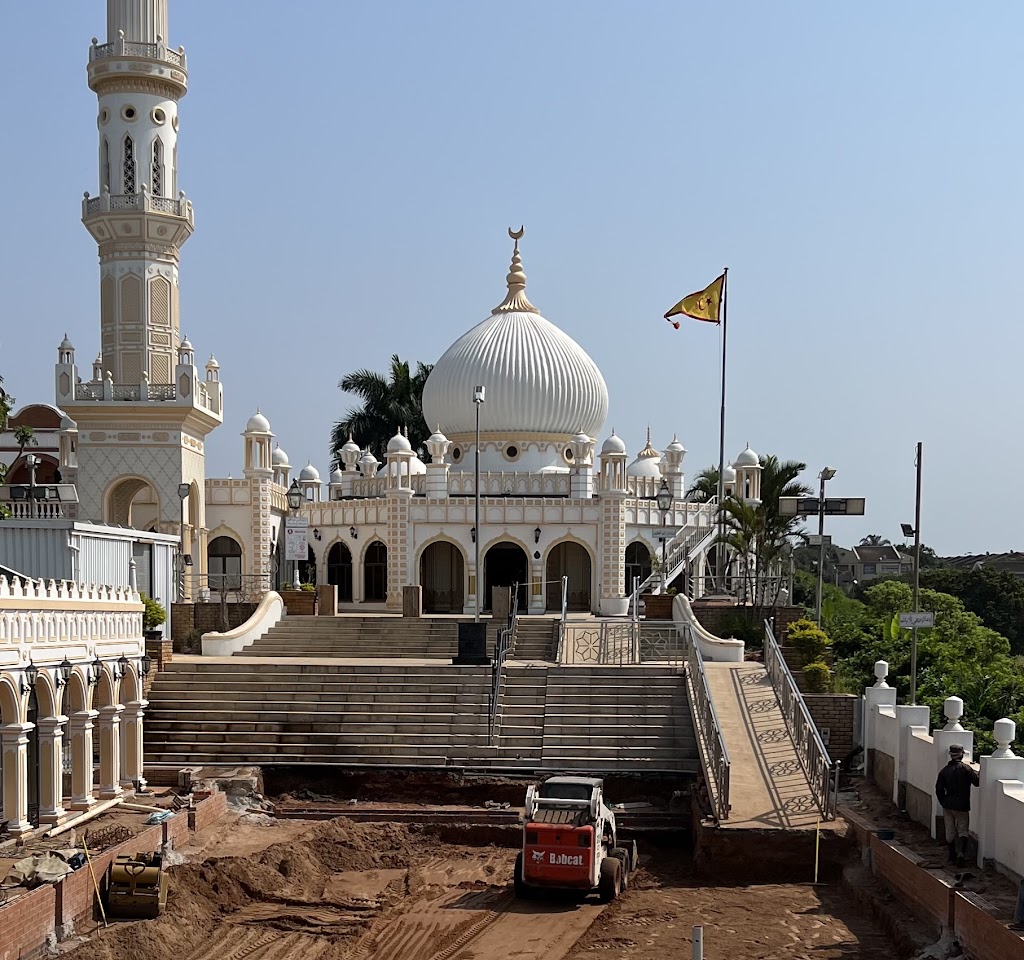
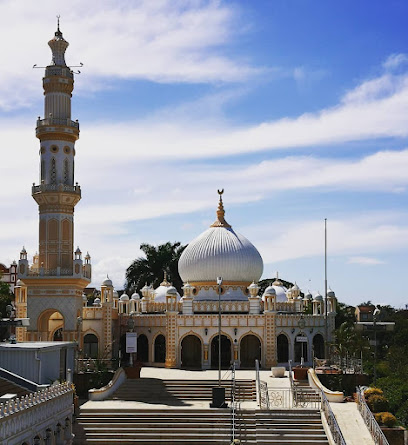
Habibia Soofie Saheb Masjid/ Riverside Mosque is a Mosque establishment in Durban North, KwaZulu-Natal, South Africa
Durban North
KwaZulu-Natal
4051
South Africa
Sorry, no records were found. Please adjust your search criteria and try again.
Sorry, unable to load the Maps API.
Mosque services in Durban North, KwaZulu-Natal
In Durban North, Durban’s northern coastal suburb, mosques operate as centres of worship, community support, and learning. They serve as focal points for daily prayers, religious observances, and social activities that reflect the local Deen in a multicultural South African context. Visitors and residents can expect a respectful atmosphere, clear signage, and guides or volunteers to assist when needed.
Daily prayers form the core of mosque life. Muslims gather for the five daily salah, with emphasis on the early morning (fajr) and late afternoon/evening (maghrib andisha) sessions. Jumu’ah (Friday congregational prayer) represents a key weekly event, usually accompanied by a short sermon (khutbah) in the preferred local language and occasionally in English to accommodate non-native speakers. Prayer halls are typically segregated by gender, with separate entrances or designated spaces, though arrangements vary by masjid. Comfortable seating, air circulation, and respectful quiet are encouraged during prayer times.
Beyond the obligatory prayers, mosques in Durban North commonly offer programmes that strengthen knowledge and community bonds. These may include religious classes for children and adults, such as basics of Qur’anic studies, Hadith, and fiqh, as well as language lessons where appropriate. Regular talks, outreach programmes, and interfaith events may be scheduled to foster understanding within the wider neighbourhood. In many cases, mosques open during daylight for personal supplication, quiet contemplation, and small study circles, subject to security and management policies.
Practical facilities are an important part of the mosque experience. Ablution areas (wudu) are provided for cleansing before prayer, with steps arranged to guide worshippers through the ritual washing. Mosques typically ensure clean, well-maintained washrooms, with provisions for disabled access where feasible. Clothing modesty is generally emphasised, with expectations of respectful attire, especially during congregational times and events. Parking arrangements vary; some mosques offer on-site spaces, while others rely on nearby streets or community car parks, with designated routes to the prayer halls to avoid congestion during peak periods.
Social and ceremonial services form a significant dimension of mosque life in the area. Marriages are often conducted under Islamic rites within the mosque or preceded by consultation sessions with an imam or mosque committee. Funeral rites and condolences are commonly supported, and mosques may host memorial gatherings or provide guidance on funeral procedures in accordance with local customs. Charitable work, including acts of zakat (almsgiving) and sadaqah (voluntary charity), can be coordinated through mosques to assist needy individuals or families within the community and beyond.
Practical considerations for visitors include arriving in good time for Friday prayers, dressing modestly, and following any local guidelines posted at the entrance. Security policies may require visitors to register for certain events or to present identification when attending larger gatherings. Some facilities offer language support or translated materials during lectures to accommodate diverse members of the Durban North community. Accessibility considerations, such as ramps or lifts, are increasingly addressed by mosques seeking to welcome elderly worshippers and families with pushchairs.
Overall, mosque services in Durban North provide a combination of worship, learning, and community support. They function as inclusive spaces where residents and visitors can observe Islamic practices, participate in educational activities, seek guidance on personal matters, and contribute to charitable efforts, all within the unique cultural and geographical setting of KwaZulu-Natal.
- Daily prayers and Friday congregations
- Educational programmes for all ages
- Ablution facilities and prayer halls
- Marriages, funerals, and community ceremonies
- Charitable activities and zakat distribution


