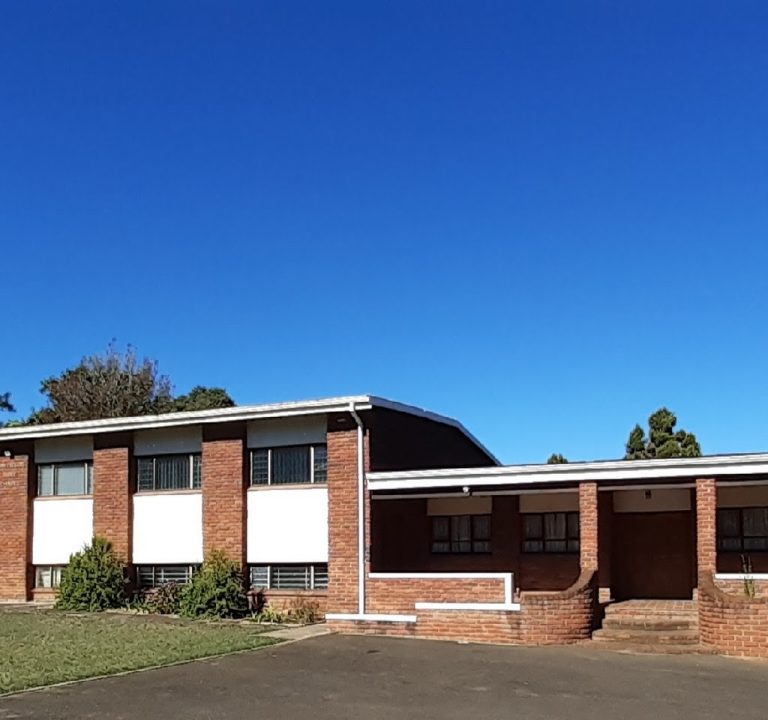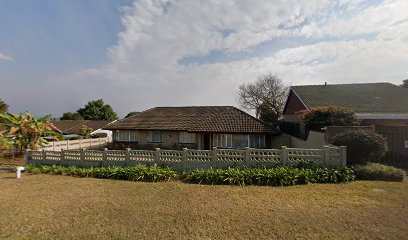
Hayfields Bible Chapel is a Christian church establishment in Pietermaritzburg, KwaZulu-Natal, South Africa
Pietermaritzburg
KwaZulu-Natal
3201
South Africa
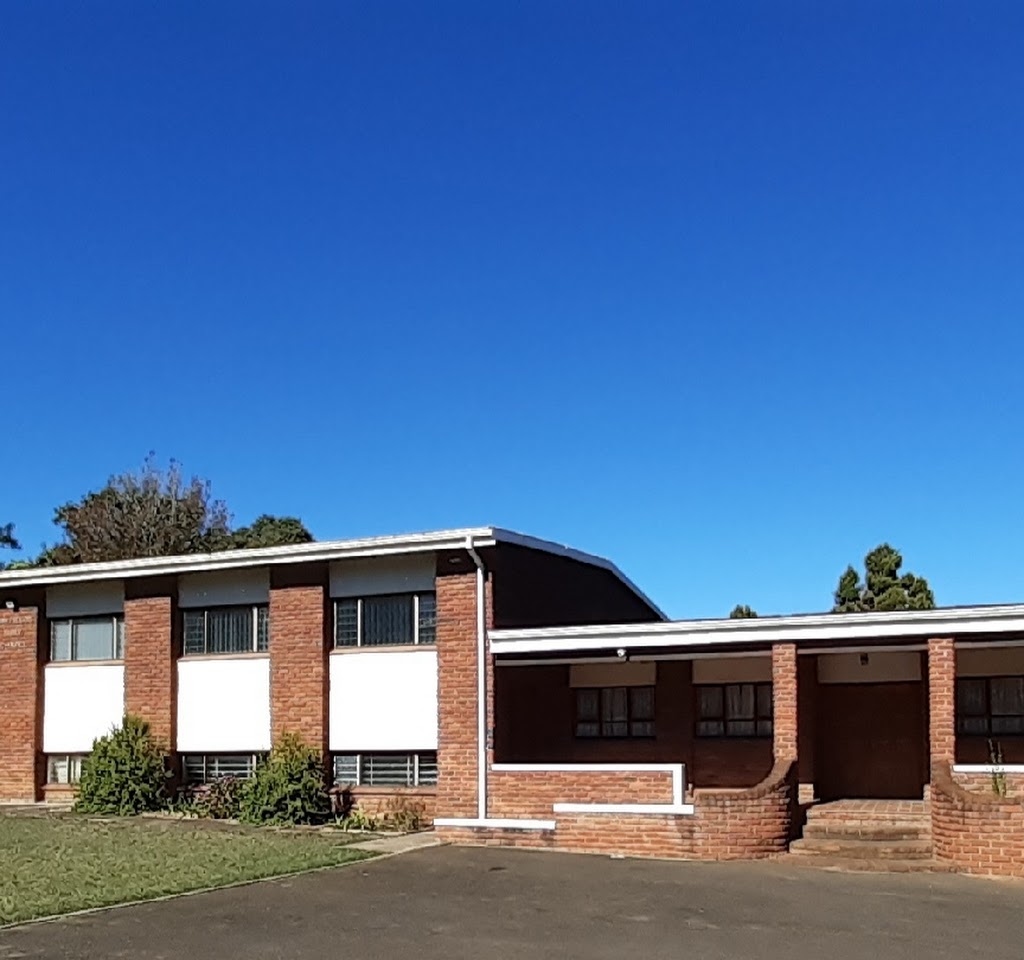
Sorry, no records were found. Please adjust your search criteria and try again.
Sorry, unable to load the Maps API.
Overview of Christian Church Services in Pietermaritzburg, KwaZulu-Natal
In Pietermaritzburg, KwaZulu-Natal, Christian church services typically function as weekly gatherings that bring together congregants for worship, teaching, and community fellowship. The city’s religious landscape includes a range of denominations and independent congregations, reflecting a blend of Anglican, Catholic, Methodist, Pentecostal, and other Christian traditions. Services are often held in purpose‑built church buildings, historic halls, or shared community venues in both central and residential neighbourhoods, providing accessible places for worship across the metropolitan area.
Most Sunday services form the core of weekly worship. They usually begin with communal singing or hymns, followed by prayers and a scriptural reading. A sermon or homily offers interpretation of the Bible and guidance for daily life, sometimes complemented by a short reflection or moment of quiet contemplation. In many churches, the service extends with a period of praise and worship music, led by a choir, a band, or a vocal worship team. The tone may vary from traditional liturgy to contemporary praise, depending on the denomination and local custom.
Participation is generally open to regular attendees and visitors alike. Observers can expect a respectful environment that encourages personal reflection and collective praise. Communion or the Lord’s Supper may be observed at regular intervals, with the method and frequency varying by tradition. Baptisms, confirmations, and weddings are commonly integrated into special services or ceremonies, while funerals are often conducted with a focus on comfort, remembrance, and spiritual hope.
Practical considerations shape attendance in Pietermaritzburg. Many churches offer services in multiple languages to reflect the city’s diverse community, with English and isiZulu commonly represented, and some congregations providing elements in other languages as well. Dress codes tend to be modest and respectful, although contemporary outfits are widely accepted in many churches. It is advisable to arrive early to secure parking, particularly for larger services in central or well‑established premises. Some venues provide on‑site parking, while others rely on street or nearby facilities; accessibility options may include ramps and seating arrangements for those with mobility needs.
People visiting a Pietermaritzburg church can expect a welcoming atmosphere that emphasises fellowship. After services, many congregations host informal gatherings or tea and refreshments, offering opportunities to meet members and learn about study groups, outreach programmes, or youth activities. For newcomers, information desks, welcome teams, or church newsletters are common ways to learn about ongoing ministries and how to get involved.
Midweek programming is a typical feature in many churches. Bible study groups, prayer meetings, youth clubs, and outreach activities frequently run on weekday evenings or afternoons. These sessions provide deeper engagement with faith, community support, and opportunities to contribute to charitable initiatives or local service projects. Family‑oriented programmes may cater for children and teenagers with age‑appropriate activities and dedicated worship moments.
When selecting a church service in Pietermaritzburg, balance personal preference with practical needs. Consider the service times, location and parking convenience, language of instruction, and the style of worship that resonates. The city’s Christian communities are generally transparent about their open doors, inviting newcomers to observe a service and participate in a manner that feels comfortable and respectful.
- Typical service components: worship, prayer, Bible reading, sermon, offering, and communion where applicable.
- Common practices: baptisms, confirmations, weddings, and funerals arranged within or alongside regular services.
- Practical notes: language options, dress codes, parking, accessibility, and community programmes.