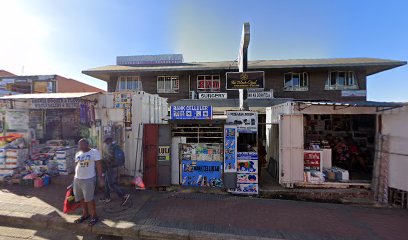
HerBody Women’s Clinic is a Women’s health clinic establishment in Durban, KwaZulu-Natal, South Africa
HerBody Women’s Clinic — Durban, KwaZulu-Natal: Overview of Services and Patient Experience
HerBody Women’s Clinic operates as a dedicated women’s health facility in Isipingo Rail, Durban, KwaZulu-Natal. The clinic presents itself as a responsive, patient‑centre service, emphasising confidentiality and informed decision‑making. The emphasis is on providing personalised sexual and reproductive health care with a focus on accessibility and timely care. The on‑call doctor service and same‑day appointments suggest an aim to meet urgent needs as well as routine care.
The clinic describes a broad range of services designed to support women across different life stages and health concerns. Core offerings include Safe Abortion Care, antenatal care, contraception, fertility support, cancer screening, wellness checks, and sexually transmitted infection (STI) screening with HIV counselling. This breadth aligns with an aim to address both immediate health needs and preventive care in one location.
In addition to clinical services, the clinic markets a number of supportive and convenience features. A telemedicine option is available for pregnant patients under nine weeks and for those unable to visit the clinic in person, indicating an effort to increase accessibility for vulnerable groups or those with time or mobility constraints. The facility also highlights walk‑in appointments and 24/7 on‑call doctors, underscoring a commitment to flexibility and prompt attention for patients who require urgent or unscheduled care.
Practical service details note that the clinic accepts most medical aids and offers payment plans, which may help patients manage costs for procedures such as abortions or fertility therapies. The combination of affordable options and flexible payment arrangements is presented as part of the broader aim to remove barriers to essential women’s health services in the community.
From the patient experience perspective, the clinic stresses privacy and confidentiality as foundational commitments. Personal information submitted to the practice is described as private and confidential, reinforcing trust in handling sensitive health data. The professional and friendly staff alongside trained medical professionals are highlighted as core strengths, contributing to a patient‑friendly environment intended to support informed choices.
The service catalogue includes both medical and cosmetic dimensions of care. In the medical realm, services span from pregnancy management (antenatal care and telemedicine for early pregnancy) to contraception, fertility, cancer screening, and wellness checks. A notable inclusion is an “Immune Booster Drips” service, marketed as a means to support immune health for students or individuals in high‑risk environments, reflecting an interest in ancillary wellness interventions alongside traditional clinical care. The “Beauty Services for Women” indicates an integrative approach to women’s health, combining medical care with aesthetic treatments delivered by a medical team for higher patient satisfaction and perceived outcomes.
Typical procedures and guidance around how requests are processed are conveyed through the booking framework. Prospective patients can book a consultation via an online form or by contacting the offices directly. The clinic notes flexible appointment scheduling, with an emphasis on urgent care where needed. Telemedicine is framed as a practical alternative for early pregnancy management (less than nine weeks) and for patients unable to attend in person, aligning with common modern expectations of remote care.
The clinic’s location and area of service are clear from the address provided: Suite 4 and 5, Mohammed Medical Centre, 8 Pardy Road, Isipingo Rail, 4133. The stated open hours are Monday to Friday 08:30 to 16:30 and Saturday 08:30 to 13:30, outlining a weekday‑oriented schedule with weekend access for limited hours. This information helps potential patients plan visits and align appointments with work or study commitments.
Tips for customers visiting HerBody Women’s Clinic include preparing for appointments by noting down health concerns, current medications, and any previous medical history relevant to the visit. For those seeking contraception, fertility advice, or cancer screening, it may be helpful to bring any prior medical records or test results to inform discussions. If urgent care is needed or if a telemedicine consultation is preferred, callers are advised to use the clinic’s contact lines to arrange access. For patients budgeting care, inquiring about payment plans and confirming medical aid coverage in advance can streamline the service experience. Considering the clinic’s emphasis on confidentiality, patients may feel reassured by the privacy protections described in the clinic’s policy disclosures.
Overall, HerBody Women’s Clinic presents a comprehensive, patient‑centred approach to women’s health in the Durban area, combining medically comprehensive services with flexible access, modern communication options, and a focus on confidentiality and informed choice.
Durban
KwaZulu-Natal
Isipingo Rail, Durban
South Africa
Sorry, no records were found. Please adjust your search criteria and try again.
Sorry, unable to load the Maps API.
Overview of Women's Health Clinic Services in Durban, KwaZulu-Natal
Durban, located on the KwaZulu-Natal coast, hosts a range of specialised women's health clinics that cater to diverse needs across different life stages. These clinics typically provide confidential, patient‑centred care in comfortable environments, with services designed to support reproductive health, maternal well-being, and longer‑term health maintenance. Consumers may encounter both private and public options, each with distinct pathways for booking, consultations, and follow‑up care.
Core offerings commonly include gynaecology and obstetrics, addressing issues such as routine examinations, menstrual concerns, diagnosis and management of conditions affecting the reproductive system, and care during pregnancy. Obstetric services often cover antenatal check‑ups, screening for fetal development, and guidance on nutrition and risk factors during pregnancy. Postnatal care, including recovery support and family planning discussions, is frequently available as part of a continuous continuum of care.
Family planning and fertility support represent another central pillar. Clinics typically provide access to a range of contraceptive options, fertility assessments, and guidance on conception strategies. For individuals seeking information about fertility, specialists may discuss treatment pathways and referral processes while emphasising informed decision‑making and personal circumstances.
Screening and cancer prevention form an important focus in Durban’s women’s health services. Routine cervical screening, breast examinations, and health checks aim to detect conditions early and improve outcomes. Where appropriate, clinics may offer ultrasound imaging and other non‑invasive diagnostics to support accurate assessment and monitoring. Education about self‑examination, symptom awareness, and risk factors is commonly integrated into consultations to empower patients in managing their health.
Sexual health and sexually transmitted infection (STI) services are typically offered with discretion and sensitivity. Testing, counselling, and treatment for common STIs, alongside preventive measures such as vaccination where relevant, are standard components of care. Gynaecologists and specialised nurses may collaborate with holistic health teams to provide comprehensive support and ensure respectful, confidential handling of sensitive information.
Additional services often found in Durban clinics include menopause management, pelvic floor health, continence support, and musculoskeletal or back‑to‑care programmes related to pregnancy and post‑natal recovery. Mental health considerations are increasingly recognised as part of overall well‑being, with clinics offering referral pathways or integrated care for issues such as anxiety, mood changes, and the emotional aspects of pregnancy and parenthood.
- General gynaecology consultations
- Antenatal and postnatal care
- Contraception and family planning
- Cervical cancer screening and breast health checks
- Fertility assessments and management
- Sexual health services and STI testing
- Menopause management and pelvic floor support
When engaging with a women’s health clinic in Durban, patients can expect a respectful, non‑judgemental approach emphasising privacy and informed choice. Practical considerations include appointment scheduling, availability of after‑hours care, and the ability to access imaging or laboratory services either on‑site or via approved referral networks. Language support, including English and local dialects, can enhance communication, alongside culturally sensitive guidance on family planning and health education.
Transport and accessibility are practical realities for many residents. Public transport routes, parking facilities, and proximity to major medical campuses influence access to care, particularly for routine follow‑ups or urgent concerns. Clinics typically provide clear information about what to bring to appointments, such as medical records or referral letters, to streamline visits and ensure continuity of care. Although specifics vary by facility, the overall aim remains constant: to support women’s health with comprehensive, confidential, and accessible services within Durban and its surrounding communities.