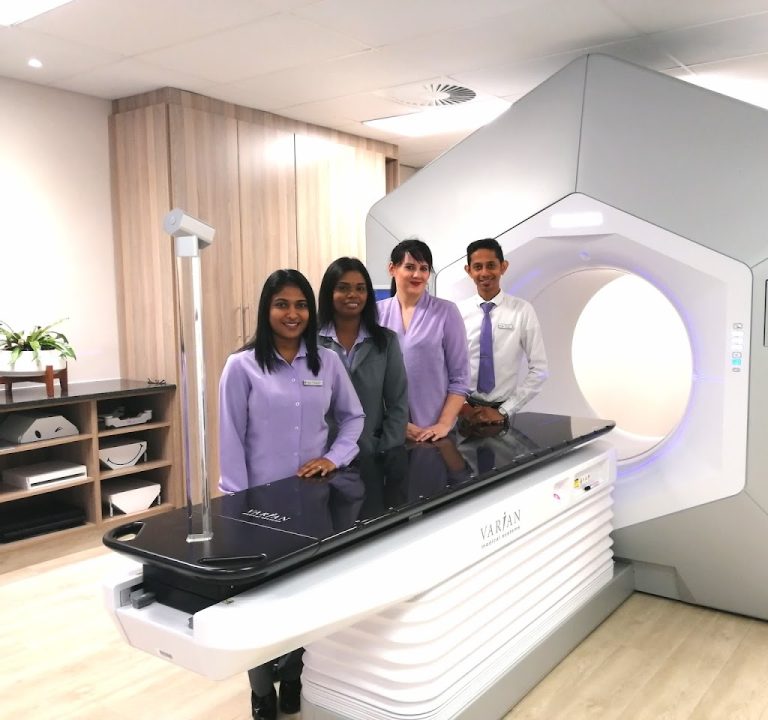
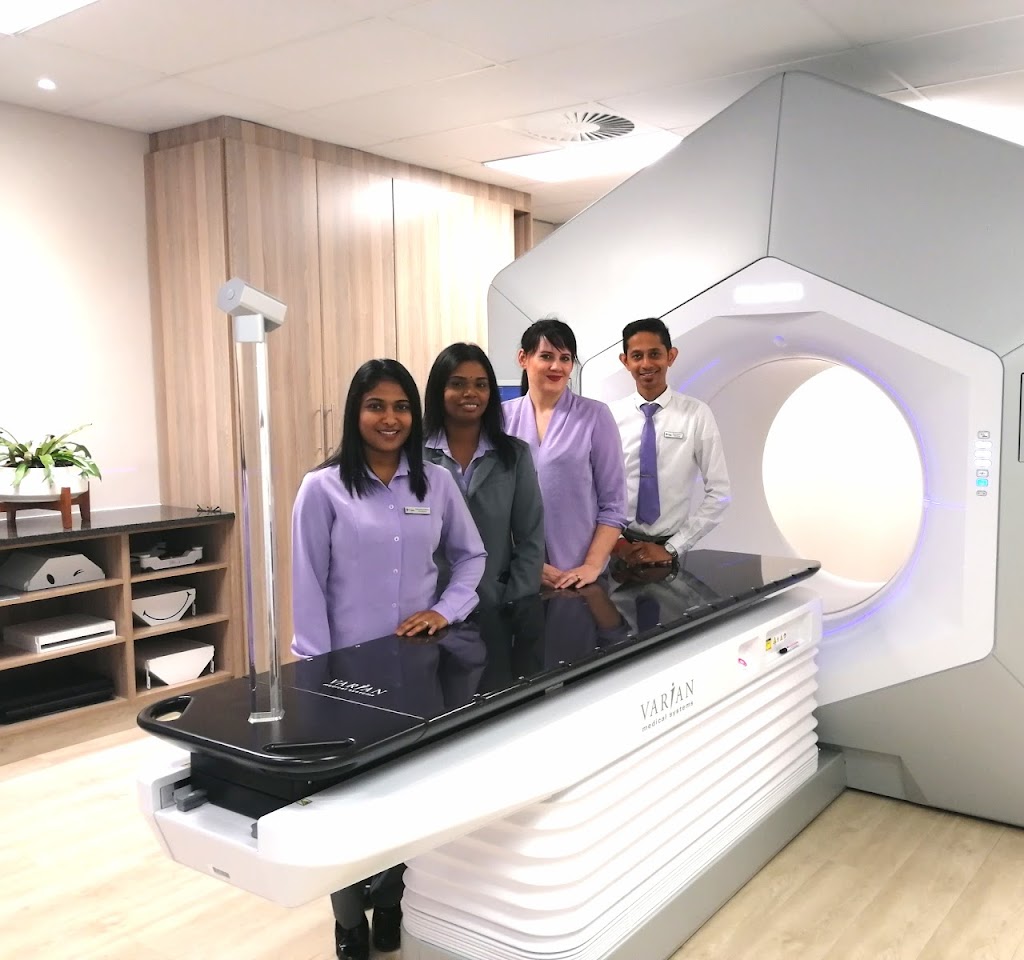
Hopelands Cancer Centre Hillcrest is a Cancer treatment center establishment in Durban, KwaZulu-Natal, South Africa
Hopelands Cancer Centre Hillcrest – Overview of Services and Patient Experience
Hopelands Cancer Centre operates as a specialist oncology and radiotherapy provider delivering patient-centred care across KwaZulu-Natal (KZN), with five sites and additional satellite clinics. The facility emphasises a compassionate, professional team approach where doctors, nurses and management work together to support individuals through their cancer journey. The emphasis is on both the physical treatment and the emotional and psychological wellbeing of patients and their families, reflecting a holistic approach to care.
Central to the offering is a wide range of state-of-the-art cancer treatments designed to achieve the best possible outcomes. Hopelands positions itself at the forefront of modern cancer care, leveraging the latest medical technology to deliver services that span the continuum of cancer treatment. While specific modalities are not itemised in this overview, the centre’s communications suggest a comprehensive oncology programme tailored to individual needs.
The organisation highlights its core values—compassion, excellence, integrity, respect, collaboration, perseverance, ethics and accountability—as guiding principles in every patient interaction. This framework underpins a patient-centred ethos intended to empower patients with knowledge, support and resources. The aim is to enable informed decision-making about treatment and wellbeing, fostering hope, healing and recovery for patients and their families.
Key elements of the patient journey include information and preparation for the first visit. Prospective patients are directed to a dedicated New Patient Information Form, with guidance on what to bring to the initial consultation. This supports a smoother intake process and helps clinicians understand each patient’s needs from the outset.
Hopelands places significant importance on accessibility and coordination of care. The centre states that it maintains five locations across KwaZulu-Natal and provides oncology services at multiple satellite clinics and associate hospital groups. This networked approach is designed to improve accessibility for patients within the region, integrating services across different sites to suit individual circumstances and locations.
Typical operating hours are listed as Monday to Friday, 07:30 to 16:30, with after-hours emergencies managed by directing patients to the on-call doctor based on the current arrangements. This structure aims to balance regular clinical availability with urgent needs for those facing emergencies outside standard hours.
In addition to direct clinical care, Hopelands offers resources and information to support patients through common questions about chemotherapy and radiotherapy. An accessible Frequently Asked Questions section suggests an emphasis on demystifying treatments and helping patients feel informed about what to expect in their cancer journey. The availability of patient information resources aligns with the centre’s broader objective of patient empowerment.
For families and carers, the centre’s approach is to provide information and support that extend beyond the patient’s treatment plan. By prioritising psychological wellbeing and family support alongside clinical interventions, Hopelands aims to ease the emotional burden associated with cancer care and treatment decisions. The emphasis on a caring, professional team further signals a supportive environment where staff are trained to respond to both clinical needs and the wider well-being of those involved in a patient’s care.
The organisation’s public-facing content highlights a cohesive team dynamic, inviting prospective patients to learn more about the clinicians, nurses and management personnel who contribute to a personalised care experience. These communications suggest a collaborative culture where multidisciplinary input informs treatment planning and delivery, with an emphasis on continuity of care across different sites and service points within KwaZulu-Natal.
Practical tips for prospective patients and their families include preparing for the first visit using the New Patient Information Form, reviewing FAQs to understand common aspects of chemotherapy and radiotherapy, and contacting the relevant site for local administrative details and arrangements. Visitors should consider proximity to five listed sites in KZN and the potential for satellite clinics or associated hospital collaborations when planning appointments. Given the operating hours, scheduling daytime visits on weekdays can align with standard clinic availability, while after-hours needs should be addressed through the on-call doctor system.
- Main services offered: a comprehensive range of cancer treatments and radiotherapy, supported by advanced technology and a patient-centred care model (exact modalities may vary by site).
- Typical job types (where stated): not explicitly listed; the organisation highlights doctors, nurses and management as part of a caring, professional team.
- How requests usually work: initial preparation for first visits via a New Patient Information Form; access to FAQs for treatment information; treatment delivery across multiple sites with a coordinated network.
- Practical tips: review the New Patient Information Form and FAQs before appointments; plan visits during weekday hours; explore site locations across KwaZulu-Natal for convenience; utilise available patient resources to aid understanding and decision-making.
- Hours and location: Monday–Friday, 07:30–16:30; five sites across KwaZulu-Natal with additional satellite clinics.
Hopelands Cancer Centre Hillcrest presents a patient-focused profile within the KwaZulu-Natal medical landscape, combining expert oncology and radiotherapy capabilities with an emphasis on emotional and psychological support, compassionate care, and clear information-sharing to empower patients and families along their cancer journey.
Durban
KwaZulu-Natal
Assagay, Durban
South Africa

Sorry, no records were found. Please adjust your search criteria and try again.
Sorry, unable to load the Maps API.
Cancer treatment centre services in Durban, KwaZulu-Natal
In Durban, KwaZulu-Natal, cancer treatment centres provide a range of clinical services designed to support patients from initial diagnosis through active treatment and beyond. Facilities in the area typically combine medical oncology, radiation oncology, surgical oncology and supportive care within a multidisciplinary framework. The aim is to offer timely, evidence-based care that considers the patient’s overall wellbeing, cultural context and access needs.
Clinical pathways usually begin with diagnostic workups that include imaging, pathology, and staging assessments. Once a diagnosis is confirmed, a multidisciplinary team collaborates to plan a personalised treatment strategy. Patients can expect careful discussion of treatment options, potential benefits, risks and expected side effects. The emphasis is on clear communication and shared decision-making, with space for second opinions if required.
Medical oncology commonly involves systemic therapies such as chemotherapy, targeted therapies and immunotherapies. These treatments are delivered in hospital, clinic or day-pospital settings, with monitoring for adverse effects and supportive care to manage symptoms. Within Durban, chemotherapy regimens are selected based on tumour type, stage and the individual’s health status, with adjustments made as necessary to optimise tolerability and effectiveness.
Radiation oncology is another central pillar, offering radiotherapy delivered by specialist cancer radiotherapists. Treatment planning typically involves imaging-guided sessions that target tumour tissue while minimising exposure to surrounding healthy structures. The frequency and duration of radiotherapy depend on the cancer type and stage, and patients receive ongoing assessments to track response and manage any acute reactions.
Surgical oncology remains an important option for many cancers. Procedures may range from diagnostic biopsies to definitive tumour resections, sometimes followed by adjuvant therapy. In Durban, surgical services are commonly integrated with medical and radiation oncology teams to ensure a cohesive treatment plan and to support postoperative recovery, rehabilitation and surveillance appointments.
Supportive and palliative care is recognised as a crucial component of cancer treatment. Services often include pain management, nutrition support, psycho-oncology counselling, social work assistance, and symptom control. Palliative care teams are available to help with complex symptom burden and to support patients and families through advanced illness or end-of-treatment phases.
A typical patient journey in a Durban cancer centre involves regular consultations, laboratory work, imaging reviews and treatment sessions scheduled to align with personal circumstances. The approach is generally flexible, aiming to minimise interruptions to family life and employment where possible. Some centres offer nurse-led clinics for follow-up, survivorship planning, and management of late effects, alongside avenues for patient education about maintaining health and reducing risk factors.
Practical considerations for patients include navigating public versus private health systems, potential waiting times, and the availability of transportation or accommodation support for those travelling from outside Durban. Centres often provide guidance on financial counselling, access to clinical trials where appropriate, and assistance with coordinating care across different specialists. Patients are encouraged to maintain open dialogue with the care team about treatment goals, expectations and any logistical barriers to receiving care.
Overall, cancer treatment centres in Durban aim to deliver comprehensive, coordinated services that address the medical, emotional and practical needs of patients. By combining advanced therapeutic modalities with strong supportive care and clear communication, these centres strive to help individuals manage the disease effectively while preserving quality of life during treatment and beyond.