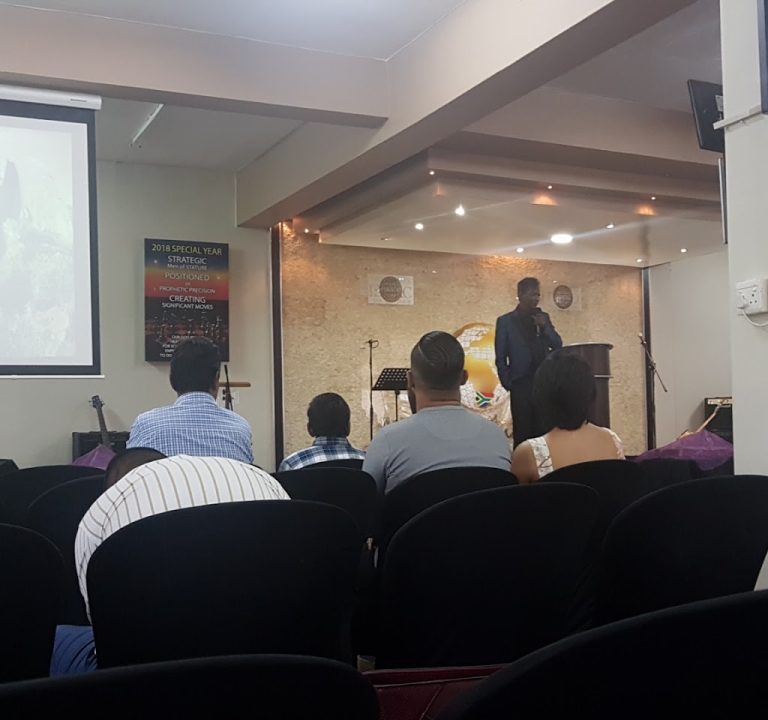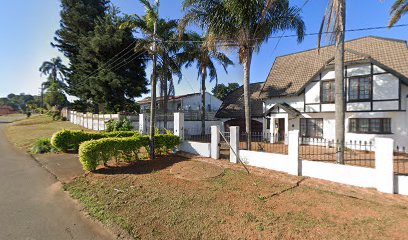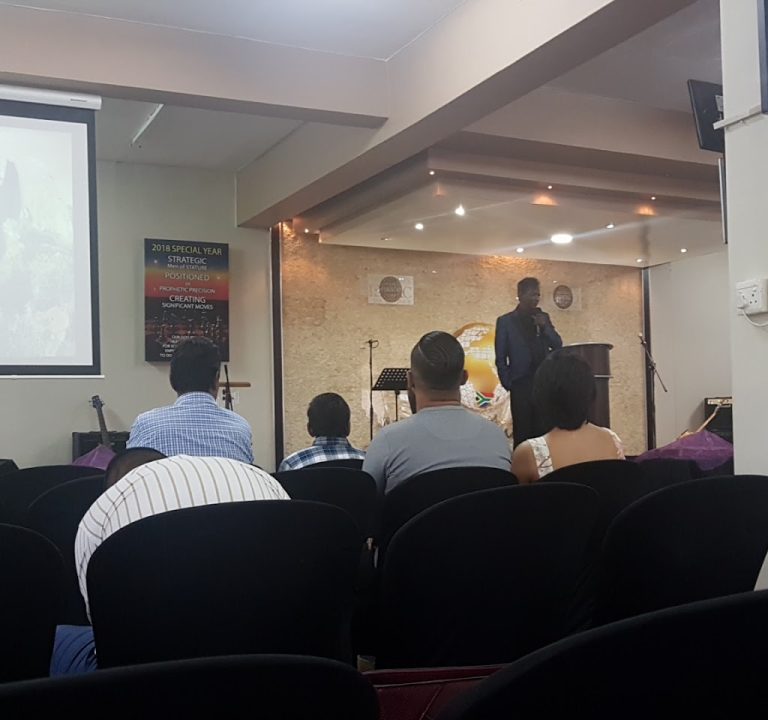
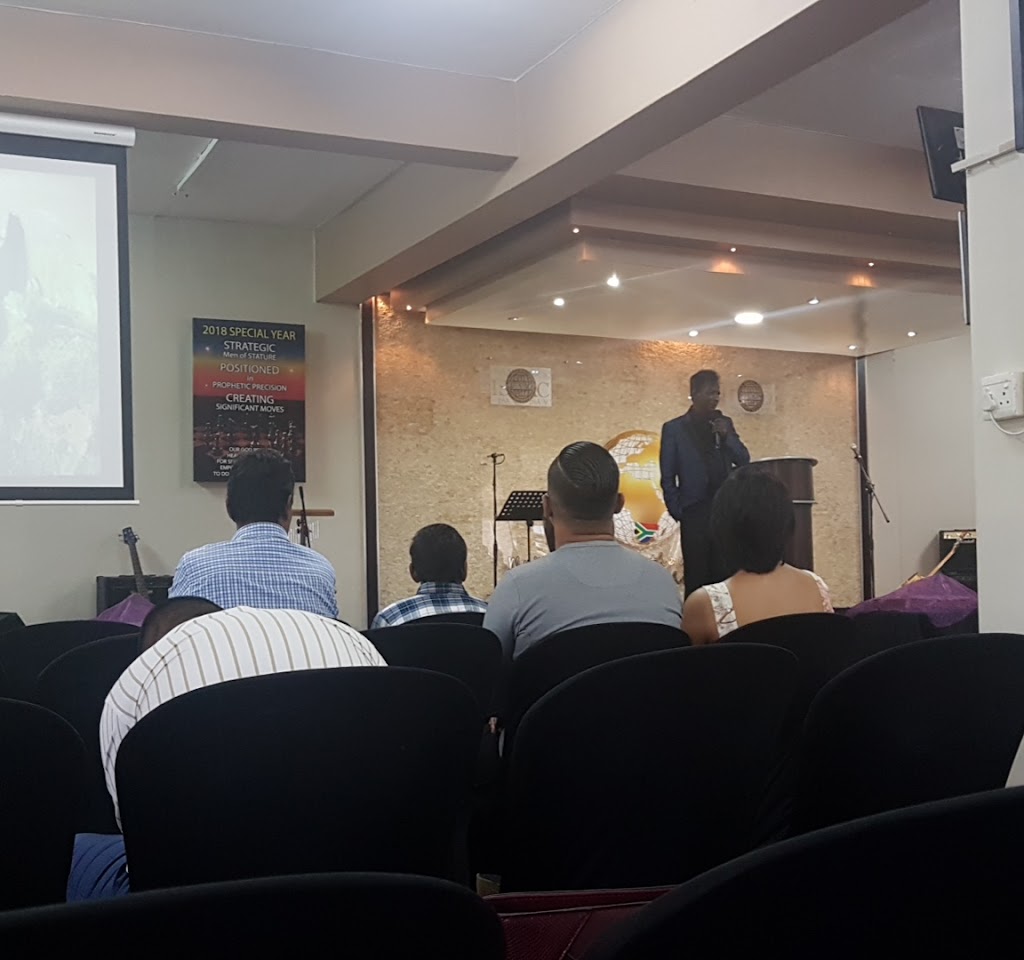
House Of David is a Church establishment in Durban, KwaZulu-Natal, South Africa
Durban
KwaZulu-Natal
4133
South Africa

Sorry, no records were found. Please adjust your search criteria and try again.
Sorry, unable to load the Maps API.
Church services in Durban, KwaZulu-Natal: what to expect
Durban, a coastal city in KwaZulu-Natal, hosts a diverse array of church communities that reflect the region’s rich cultural and spiritual landscape. Across its urban centres and suburban neighbourhoods, congregations gather in historic churches, modern auditoriums, and mission halls to offer worship, teaching, and community support. The range of services typically mirrors broad Christian traditions, with approaches influenced by local customs and languages.
Regular weekend worship is the cornerstone of church life in Durban. Sunday services often begin with a period of welcome, prayer, and communal singing, followed by a sermon or biblical teaching. Services may run for between 60 and 120 minutes, depending on the denomination and the style of worship. In many churches, hymns and contemporary worship songs sit alongside traditional liturgy, creating a familiar rhythm for long-standing parishioners and newcomers alike. Sermons generally focus on practical guidance, ethical living, faith in daily life, and scriptural reflection.
Communion and baptism are common elements. Some churches celebrate the Lord’s Supper on a regular basis, while others observe it at special occasions such as Easter or harvest festivals. Baptism by water is often performed during a service or as part of a dedicated baptismal event. Confirmation or profession of faith may be offered to older youth and adults in certain denominations, tying spiritual initiation to a longer journey within the church.
Midweek services and activities provide ongoing pastoral care and community engagement. Prayer meetings, Bible study small groups, and youth programmes are typical, sometimes scheduled on weekday evenings. These gatherings offer space for reflection, mutual support, and opportunities for volunteers to contribute to the church’s mission, whether through outreach, caring for the vulnerable, or educational programmes.
Music and worship play a central role in Durban’s church life. Many congregations employ skilled choirs, worship bands, or organists to accompany congregational singing. Music styles range from gospel-inflected contemporary pieces to traditional hymns, often chosen to reflect the liturgical calendar or the cultural diversity of the community. In multilingual Durban, services may incorporate readings or prayers in English alongside isiZulu, and occasionally other South African languages.
Practical considerations for visitors and residents include accessibility, safety, and planning. Venues vary in size and layout, but most churches provide clear signage, welcoming hosts, and assistance for new attendees. Parking availability differs by location, with some churches offering dedicated spaces or nearby public parking. Public transport is commonly used by regular attendees, and many churches are mindful of weekday and Sunday travel times for visitors commuting from surrounding suburbs or coastal towns.
Dress codes tend to be modest and respectful, with a range from smart casual to more traditional church attire depending on age, culture, and denomination. Children and families are welcome at many services, with Sunday schools or creches operating during part or all of the worship time in accordance with age groups. Practical matters such as childcare, crèche facilities, and safety policies are typically communicated in welcome packs or through church information desks.
For visitors, Durban’s churches usually provide clear introductions to their beliefs, practices, and community life. It is common to encounter offerings or voluntary contributions during services, reflecting the support networks that sustain church programmes, outreach, and charitable initiatives. Those seeking spiritual guidance or a sense of belonging will often find a warm, inclusive environment that honours Durban’s diverse heritage while offering familiar frameworks for worship and fellowship.