I heart Market is a attractions establishment in Durban, KwaZulu-Natal, South Africa
I heart Market: a Durban destination for local makers and a family-friendly day out
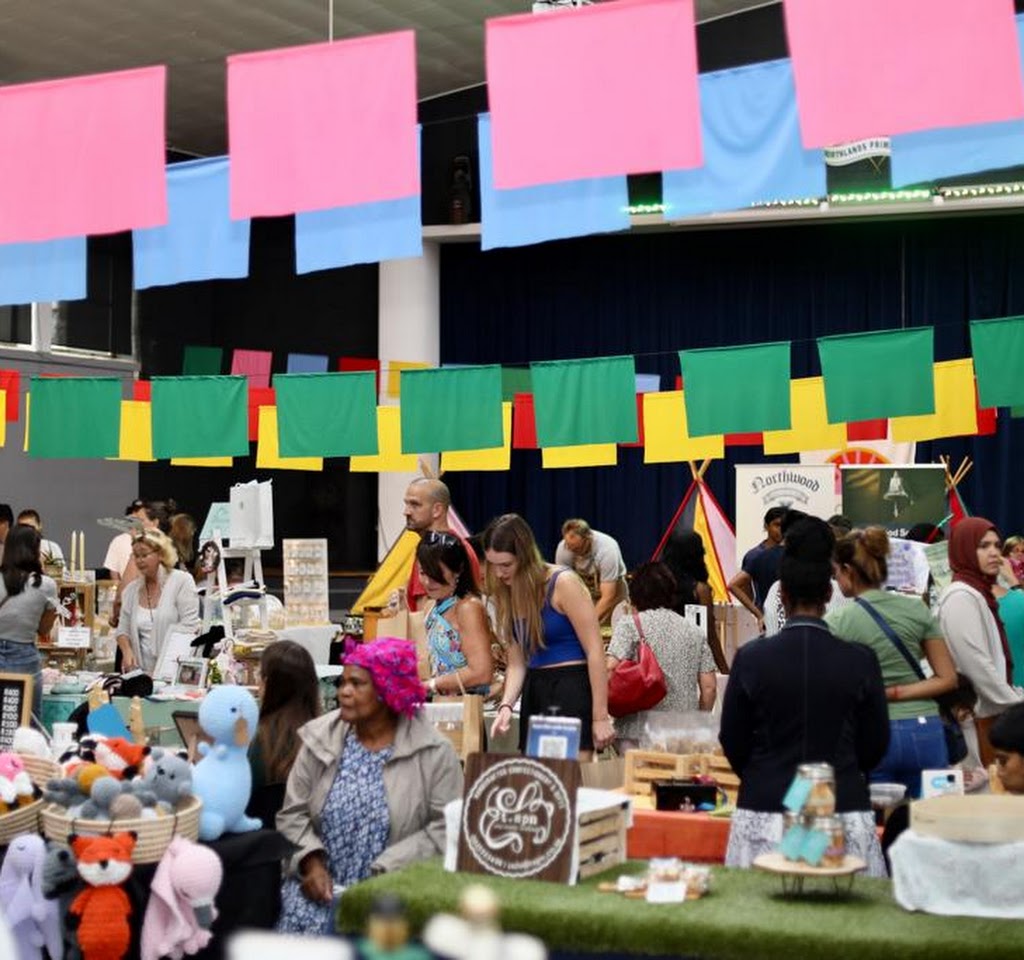
Situated in Durban North at Northlands Primary School, I heart Market presents itself as a curated gathering of local design, craft, fashion and food. The event operates as a community marketplace with a focus on handmade, artisanal and locally produced goods, aiming to support small businesses and strengthen the local economy. For fifteen years the platform has showcased one‑of‑a‑kind creations, inviting visitors to engage directly with the makers behind the products and to experience a distinctly non‑mall retail atmosphere.
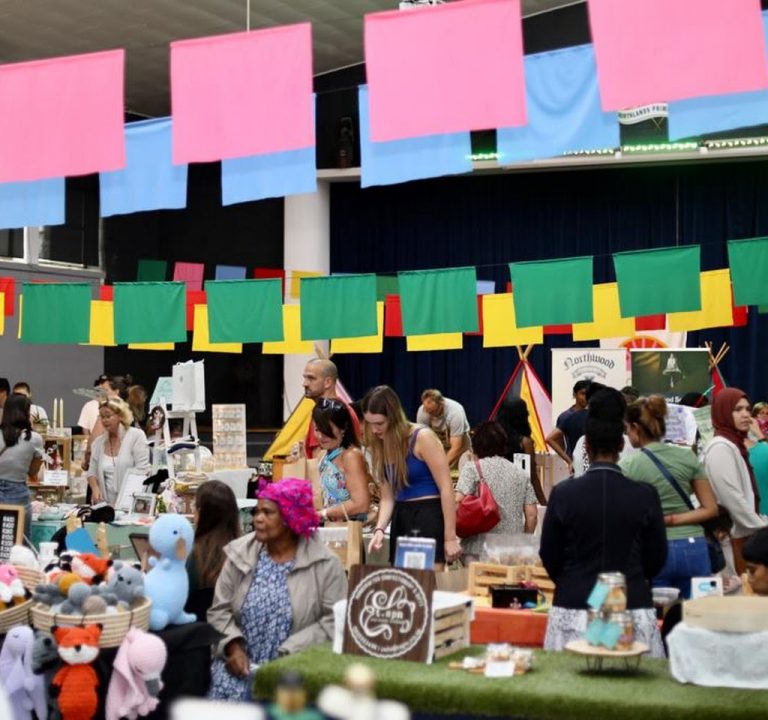
On market day, typically held on the first Saturday of every month, attendees can expect a lively, social environment that blends shopping with socialising. The market emphasises the experience of meeting designers and artisans, watching people at work, sampling food, and discovering items across a broad spectrum of categories. The offering includes fashion, jewellery, home décor, kiddies wear, plants, natural skincare, deli goods, accessories, vintage items, art and ceramics, alongside a curated selection of fresh, locally produced foods. The ambience is designed to be family‑friendly and comfortably navigable, with a sense of community running through every stall.
The market’s ethos is clear: a deliberate favouring of local products over imported goods and mass production. This stance shapes the trader selection process and the overall experience, with an emphasis on handcrafted, organic, repurposed or upcycled goods. The aim is to create awareness about the environmental and economic benefits of shopping local, while maintaining a vibrant and diverse range of offerings that keeps visitors returning each month.
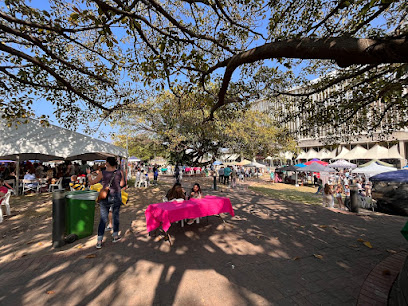
Visitors are guided by practical features designed to make the day easier. The venue provides air‑conditioned spaces within the school hall and shaded or covered areas for most traders, enabling a comfortable visit regardless of weather. Parking is described as ample and safe within the school grounds, and security guards monitor the precinct. There is no general entry charge, making the outing accessible for locals and visitors alike. For payments, many traders accept cards and digital payments (including scan‑and‑pay options such as Zapper), while cash remains universally accepted. Notably, there are no on‑site ATMs, so bringing cash is prudent to avoid missing out on items from certain stalls.
Trading at I heart Market is tightly curated. The application process is detailed and selective, with a commitment to ensuring exhibits align with the market’s ethos and quality expectations. Prospective traders fill out an online application, and attention is given to how a product is designed and manufactured, with a preference for goods produced locally in South Africa. The market publishes clear terms, including stall sizes, costs and the process for payment and confirmation. Costs for the 2023/24 season include hall stalls (1.5m x 2m) at R650, quad (covered) stalls (2m x 1.5m) at R750, and gazebo takeaway stalls (3m x 3m) at R750, with the trader responsible for bringing their own gazebo for the latter option. The system requires timely payment after acceptance to secure a trader’s place in the market rotation.
For those seeking specific traders, a Trader Directory is provided on the market’s website, offering details on individual vendors. If a particular vendor cannot be located at a given market, staff advise visitors to visit the information table or contact the market via email with details to help locate the desired stall. While the market does not guarantee vendor locations month to month, there is an effort to retain a familiar stall arrangement where possible, subject to market dynamics and attendance patterns.
In addition to shopping, the market features a food court and a craft gin and beer garden, expanding the appeal for adults and those seeking a broader experience beyond shopping alone. The seasonal schedule also includes special events and additional December markets, especially in the run‑up to Christmas, inviting longer visiting hours and more opportunities to discover unique gifts.
Practical tips for customers include planning to arrive early on market day to explore stalls before popular items sell out, bringing cash as a reliable fallback, and acknowledging that not every vendor trades at every market. Checking the market’s social channels or the “Our Next Market” pages helps visitors stay updated on dates and any special event formats. The venue’s central location within the Durban North area means it serves residents across northern Durban as well as visitors travelling from surrounding regions, reinforcing its role as a community hub for makers and shoppers alike.
Durban
KwaZulu-Natal
4051
South Africa
Sorry, no records were found. Please adjust your search criteria and try again.
Sorry, unable to load the Maps API.
Attractions Services in Durban, KwaZulu-Natal
Durban, situated on the east coast of South Africa, presents a diverse array of attractions that draw visitors year round. The services surrounding these attractions typically focus on facilitating access, enhancing enjoyment, and ensuring safety and convenience. From cultural sites to coastal scenery and nature reserves, the range of offerings covers information, transport options, guided experiences, and practical arrangements that help visitors plan their day.
A common feature of attractions services is information provision. Visitors can expect curated guidance on what to see, when to visit, and how to navigate the area. Information desks, visitor centres, and online resources frequently supply maps, opening hours, accessibility notes, and suggestions for nearby eateries or accommodation. For those seeking deeper context, interpretation panels, audio guides, or guided tours may be available, delivering historical, environmental, or architectural insights in a structured manner.
Access and transport are central to the overall experience. Durban’s attractions often require consideration of travel time, public transit connections, and parking options. Public transport routes, shuttle services, or private tours may be offered to help visitors reach coastal promenades, nature reserves, or city landmarks. In many instances, arrangements can be made for group visits, school trips, or corporate outings, with attention to capacity and safety requirements. For individuals relying on mobility assistance, information on accessibility features such as ramps, adapted facilities, and priority seating is typically supplied ahead of a visit.
Health and safety are emphasised across attraction services. Practical measures commonly include clear safety guidelines, crowd management during peak periods, and supervision for children. At coastal sites and nature areas, warnings about tides, wildlife, or seasonal weather are standard, with staff or interpreters poised to advise on risky conditions. First aid provisions, emergency contact information, and clear evacuation procedures are often in place to ensure a secure environment for visitors and staff alike.
Experience enhancement often centres on service-led offerings that complement the natural and cultural highlights. Cardholders, concession passes, or timed-entry options may exist to streamline visits during busy seasons. Food and beverage opportunities, whether at on-site cafes or nearby districts, contribute to a fuller day out. Souvenirs or locally crafted products may be available through gift shops adjacent to attractions, allowing guests to remember Durban’s distinctive character.
A practical consideration for travellers is the balance between occupancy, weather, and seasonal events. Durban experiences a subtropical climate, which can influence both the choice of activities and the necessary preparation. Lightweight clothing, sun protection, and sufficient hydration are sensible defaults, particularly for outdoor experiences along the coastline or in nature reserves. It is prudent to verify opening hours and any seasonal restrictions in advance, as maintenance, conservation activities, or special events can affect access.
For those planning itineraries, the surrounding KwaZulu-Natal region offers a mix of urban and natural settings. Attractions services often partner with nearby hotels, transport providers, and local guides to create coherent day or weekend programmes. As with any travel plan, clear expectations regarding timing, inclusivity, and the scope of guided interpretation help visitors maximise their time and enjoyment.
In summary, attractions services in Durban typically prioritise accessible information, convenient transport options, health and safety, and enhanced experiences that reflect the city’s vibrant coastal culture and rich natural landscapes. Guests can expect practical support to navigate logistics, while guided and interpretive offerings deepen understanding of Durban’s heritage and environment. The outcome is a well-organised, enjoyable visit that respects local contexts and encourages responsible, respectful exploration of KwaZulu-Natal.