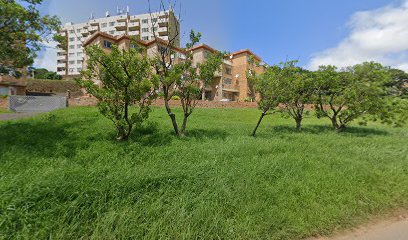
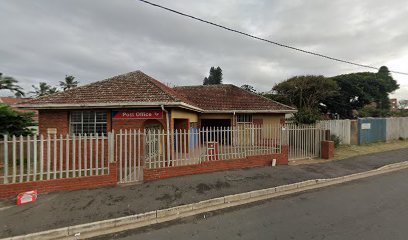
Ibnu Masood Institute is a Religious institution establishment in Durban, KwaZulu-Natal, South Africa
Ibnu Masood Institute – Durban, KwaZulu-Natal
Ibnu Masood Institute appears to operate from a base in Isipingo Beach, Durban, South Africa, with the listed address at 4 Third Avenue, Isipingo Beach, Durban 4115. The primary point of contact is routed through a landline and WhatsApp, complemented by an email address for correspondence. The available contact details suggest a modest, responsive setup geared towards direct communication with visitors and community members.
From the information provided on the institute’s contact page, the following channels are used for engagement:
- Phone: Landline +27 31 902 9818 (extension 6)
- WhatsApp: +27 72 566 4856
- Email: [email protected]
Billing and transactions appear to be supported through straightforward banking arrangements, with specific banking details provided for payments. These include the bank name (HBZ Bank, Westville), the account name (Madrasah Taleemuddeen Alhaadi), an account number (18 901 172206), and the branch code (570 226). The account type is listed as Current, and there is a clear instruction to reference “Ibnu Masood” and to email proof of payment to the same enquiry address. This indicates a formal process for financial transactions connected to services or programmes offered by the institute.
Given the limited content available on the provided page, the exact scope of services, programmes, or activities offered by Ibnu Masood Institute is not explicitly detailed. The institution’s presence in the directory category “Religious institution” in Durban suggests a focus on educational, spiritual, or community-oriented activities aligned with Islamic studies and related learning or outreach, but specific programmes, courses, events, or offerings are not enumerated on the contact page itself.
In terms of logistics, the address situates the institute within the Isipingo Beach area, which may influence accessibility and local community engagement. The contact information implies a preference for direct, person-to-person communication, suitable for visitors seeking information, enrolment details, or guidance on available services.
Practical tips for potential visitors or customers
- Use the WhatsApp channel for quick enquiries or to arrange a suitable time for a visit or discussion.
- Reach out by email for formal questions, documentation requests, or to receive written information about programmes and fees (where applicable).
- If intending to make a payment, use the provided banking details and include the reference “Ibnu Masood”; email proof of payment to the provided address to ensure proper processing.
- When planning a visit, consider contacting in advance to confirm availability, as hours of operation are not listed on the page.
Location and service area
The institute is located in Isipingo Beach, Durban, with the broader area served likely including the surrounding Durban metropolitan region. Specific service areas beyond the physical address are not outlined in the available source content.
Notes for readers
The available information is limited to the contact page details and banking instructions. No explicit statements regarding certification, awards, pricing, or specific programme types are present in the supplied content. For a fuller understanding of what Ibnu Masood Institute offers, prospective visitors may wish to initiate contact through the channels provided above or review additional pages on the institute’s website.
Durban
KwaZulu-Natal
4115
South Africa
Sorry, no records were found. Please adjust your search criteria and try again.
Sorry, unable to load the Maps API.
Religious Institution Services in Durban, KwaZulu-Natal
Religious institutions in Durban, KwaZulu-Natal, offer a broad spectrum of services centred on worship, spiritual guidance, community support, and social outreach. These organisations typically function as gathering places for congregants across diverse faith traditions, including Christian denominations, Hindu temples, Muslim mosques, and other faith communities. Their activities extend beyond weekly services, addressing life events, education, and charitable needs within the local population.
Worship and sacred ceremonies form the core of many religious institutions. Weekly services, prayer meetings, and devotional gatherings provide opportunities for worshippers to observe rites, listen to sermons, sing hymns or chants, and engage in contemplative practices. Special observances tied to religious calendars—such as feast days, festivals, or seasons of reflection—often attract both regular attendees and visitors seeking a peaceful space for contemplation.
Life events are a prominent aspect of service provision. Religious institutions commonly conduct ceremonies such as marriages, baptisms or consecrations, confirmations, and memorial or funeral services. Priests, ministers, imams, or temple leaders typically guide these rites, offering spiritual counselling and pastoral support to individuals and families during times of transition, joy, or loss. In several communities, dedicated chaplains or pastoral care teams provide ongoing support to congregants facing illness, bereavement, or personal difficulties.
Educational and youth programmes are frequently prioritised. Religious centres may run catechism classes, Bible studies, scriptural interpretations, language lessons, or interfaith dialogues. Youth groups, mentoring schemes, and outreach initiatives aim to foster community cohesion, leadership development, and positive values among younger generations. Some institutions also provide marriage preparation courses, mindfulness or meditation sessions, and practical workshops addressing social topics such as family life, ethics, and community service.
Community services and social outreach are common features. Many Durban religious organisations operate charitable programmes that distribute meals, clothing, and essential supplies to those in need or partner with local shelters and food banks. Ongoing outreach may include visits to marginalised or isolated residents, counselling on family matters, and assistance with access to social welfare services. In addition, some centres host public lectures, cultural events, and interfaith forums designed to promote mutual respect and social harmony within a diverse urban environment.
Facilities, accessibility, and practical considerations are important for visitors. Religious institutions typically provide welcoming reception areas, prayer spaces, and appropriate facilities for large gatherings or intimate ceremonies. Parking availability, public transport accessibility, and clear signage assist attendees arriving from various parts of Durban and surrounding areas. Language accessibility may be addressed through multilingual services or translation support, reflecting KwaZulu-Natal’s linguistic diversity, which includes English, isiZulu, and other languages. Hygiene practices, safety protocols, and respectful conduct during gatherings are commonly emphasised to ensure a comfortable environment for all worshippers and guests.
Those seeking services can expect a respectful, structured framework in which spiritual guidance is offered alongside community involvement. Institutions usually publish service times, charitable activities, and contact details through local directories, parish notices, or community bulletins, enabling potential visitors to plan attendance and participation in programmes. While the exact offerings vary between denominations and individual centres, the overarching aim remains consistent: to support spiritual life, strengthen community bonds, and respond to practical needs within the Durban metropolis.